Introduction to Olive Allergies
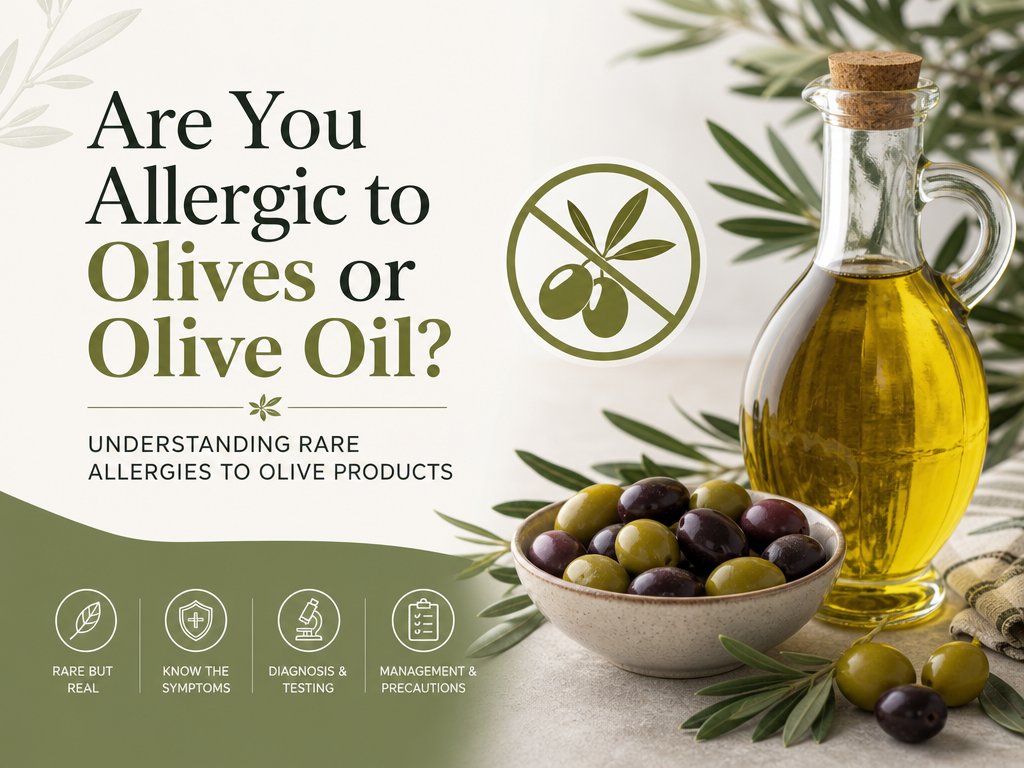
Olives, known for their healthy fats, vitamins, and antioxidants, are a popular tree fruit that has been cherished for centuries for its various health benefits. Despite these advantages, some individuals may experience allergies to olives or olive oil, although this occurrence is relatively rare compared to other food allergies. Understanding these allergies is crucial for those who are affected, helping them manage their condition effectively.
Nutritional Benefits of Olives
Olives provide significant nutritional benefits, offering essential vitamins such as E, K, D, and A. They are rich in vital minerals, including iron, copper, and calcium. Whether olives are consumed as part of a meal, cured and fermented, or pressed into extra virgin olive oil, they play a crucial role in a balanced diet and skincare, renowned for their outstanding potential wellness contributions and antioxidant content, which aid in reducing inflammation and supporting heart health.
Understanding Olive Allergies
Allergic reactions occur when the immune system mistakenly identifies certain foods as harmful, triggering a defensive response. This reaction involves the development of antibodies like immunoglobulin E (IgE). The release of chemicals such as histamine can result in a range of allergic symptoms, varying from mild to severe, affecting an individual’s quality of life and requiring thoughtful management.
Prevalence of Olive Allergies
Although olive fruit allergies are relatively rare, allergies to olive pollen are noticeably more common. This is particularly prevalent in regions where there is large-scale olive tree cultivation, such as Mediterranean areas. Some individuals may also experience contact dermatitis or specific food allergies associated with olives or their byproducts, emphasizing the need for awareness in affected regions.
Olive Fruit vs. Olive Oil Allergies
The olive fruit contains a higher concentration of proteins, making it more likely to cause allergies compared to olive oil, which generally has fewer potential allergens due to the processing method. However, it’s important to note that severe allergic reactions to olives themselves are infrequent, and most people can consume olives without issues. Distinguishing between fruit and oil allergies helps in tailor-fitting management strategies for individuals.
Symptoms of Olive Allergies
People who are allergic to olives may experience a variety of symptoms. These can include respiratory issues such as sneezing, congestion, and shortness of breath, or skin irritations like itching, swelling, or hives. Gastrointestinal problems might manifest as stomach pain, abdominal cramping, or nausea. In rare cases, anaphylaxis, a severe allergic reaction that can be life-threatening, can occur, making immediate medical attention crucial for the victim, with the potential for hospital intervention.
Managing Olive Allergies
For individuals with olive allergies, effective management involves avoiding the consumption of any olive-derived products, including certain types of skincare items that may contain olive oil. Skin prick testing conducted by a healthcare professional can help identify specific allergies. In the event of severe allergic reactions, such as anaphylaxis, seeking emergency medical care promptly is vital to ensure the person receives appropriate treatment, which may include medications like epinephrine.
Alternatives to Olives and Olive Oil
For those with olive allergies, there are various alternatives in both cooking and skincare to consider. Plant-based oils such as canola, sunflower, or coconut oil, as well as other ingredients like avocado or grape seed oil, can be excellent substitutes. Consulting with a healthcare provider is recommended to explore and identify the most suitable options for individual dietary or skincare needs, ensuring nutritional and skincare benefits are retained.
In summary, while olive allergies are not highly common, they indeed occur. By implementing precautionary measures and exploring alternative choices, individuals affected by olive allergies can maintain a healthy, balanced lifestyle without compromising on nutrition or skincare benefits, ensuring safety and improved quality of life.