Introduction
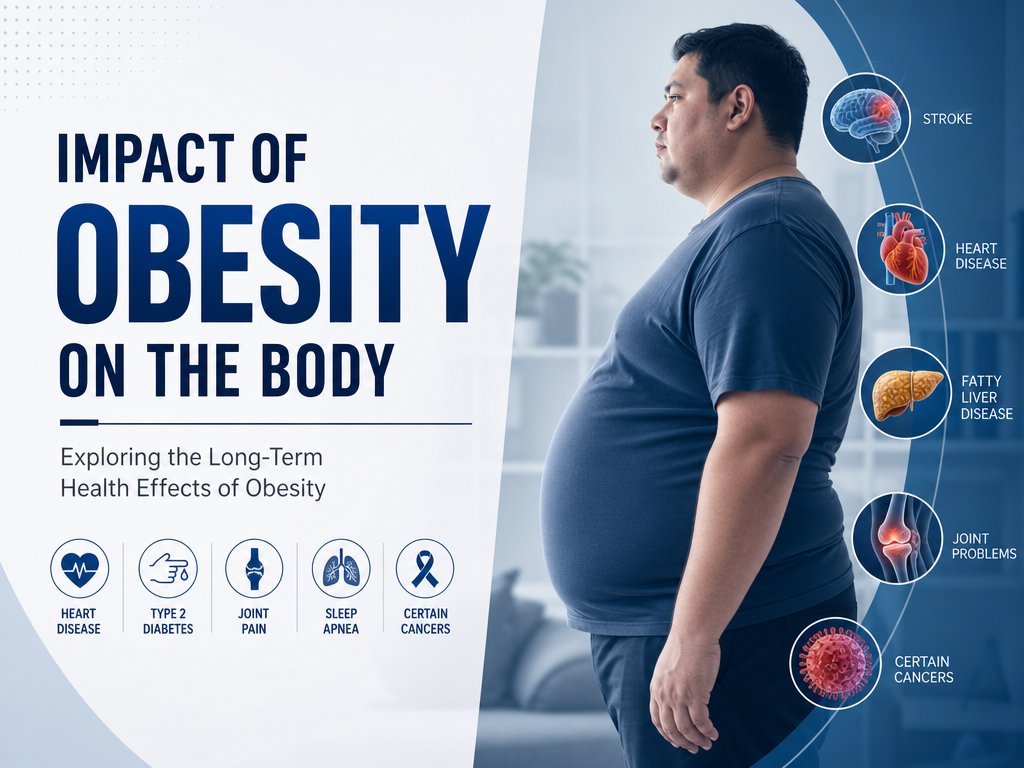
Obesity is a prevalent health concern that affects over 40% of the U.S. population. It has widespread impacts on health, influencing various bodily systems and increasing the risk of numerous medical conditions.
Cardiovascular and Respiratory Impact
Increased Risk of Stroke and Heart Disease
Individuals with obesity face a heightened risk of stroke and heart disease. Obesity forces the heart to exert more effort to circulate blood, often leading to high blood pressure. This condition, hypertension, is a primary precursor to strokes and heart attacks.
Sleep Apnea
Excess fat around the neck can obstruct airways, causing sleep apnea, a condition characterized by interrupted breathing during sleep.
Digestive and Liver Issues
Gastroesophageal Reflux Disease (GERD)& and Gallstones
Obesity has a strong correlation with GERD, where stomach acid seeps into the esophagus, and gallstones, which may necessitate surgical intervention.
Liver Complications
Fat accumulation in the liver often results in damage, scarring, or even liver failure.
Endocrine Disorders
Insulin Resistance and Type 2 Diabetes
Obesity frequently causes the body’s cells to become insulin resistant, thereby elevating blood sugar levels and increasing the risk of type 2 diabetes, a condition linked to numerous severe health issues.
Reproductive Health
Fertility and Pregnancy Complications
Obesity is associated with fertility challenges and heightened risk of complicated pregnancies.
Musculoskeletal and Skin Concerns
Osteosarcopenic Obesity
This condition, caused by excess weight, leads to reduced bone density and muscle mass, thereby increasing fracture risk and physical limitations.
Joint Stress and Skin Conditions
Additional body weight strains joints, causing discomfort, and can also lead to skin conditions like acanthosis nigricans, characterized by discolored, thickened skin.
Mental Health Connections
Obesity doesn’t only affect physical health—it is linked to mental health challenges, such as increased risks of depression and anxiety. Addressing these issues involves adopting positive lifestyle interventions.
Cancer Risk
Increased body mass index (BMI) is associated with higher risks of various cancers. Reducing weight can significantly diminish these cancer risks.
Conclusion
Obesity impacts nearly every part of the body, yet by implementing lifestyle changes like diet and exercise, individuals can manage or mitigate many associated health risks. Consulting healthcare professionals for personalized guidance is recommended.