Introduction to Malak Kikhia
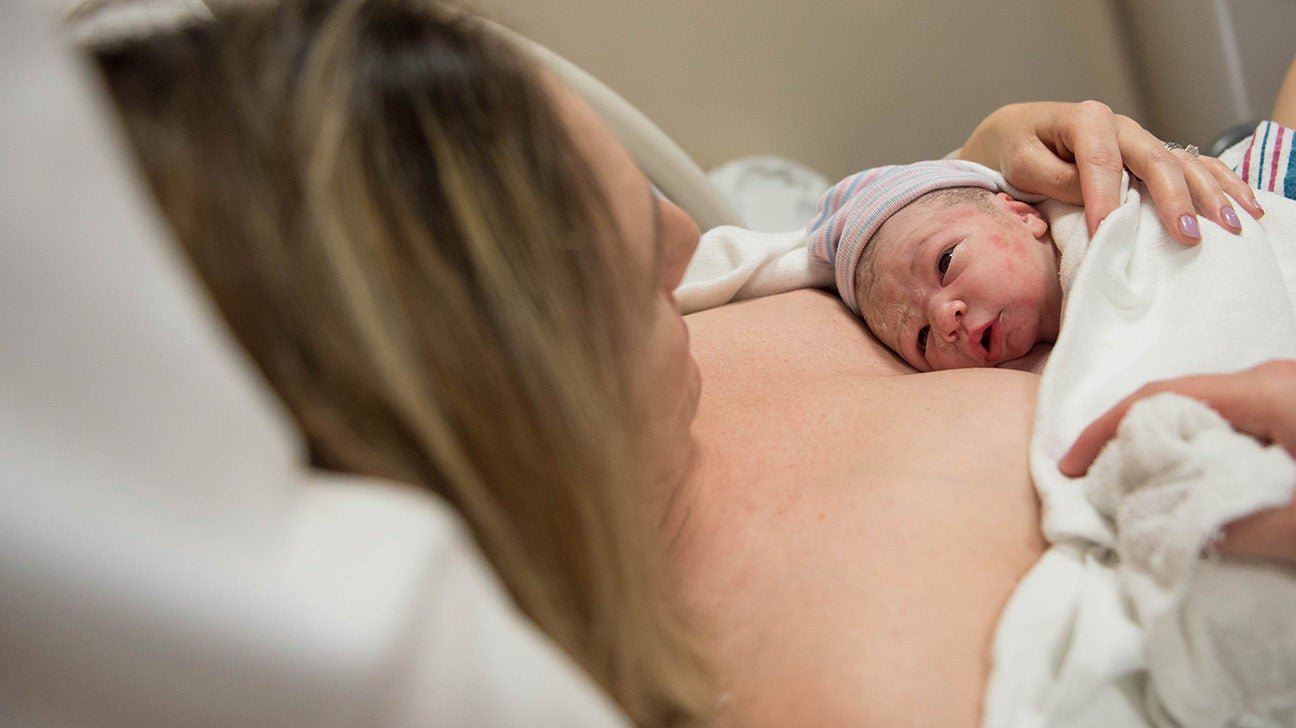
From an early age, Malak Kikhia showcased a deep fascination with pregnancy and childbirth. Her childhood experiences, marked by a natural curiosity and care for her younger siblings, played a significant role in shaping her path toward becoming a labor and delivery nurse in Georgia. This early passion was nurtured and guided by her familial environment, which reinforced her intrinsic interest in the miraculous process of bringing new life into the world. Her early exposure to family dynamics and the nurturing roles within her family instilled in her a sense of responsibility and compassion, which she carries into her professional life today.
Achieving Dreams
With an unwavering commitment to her chosen field, Malak has had the honor of assisting in the delivery of over 200 babies, a testament to her dedication and passion. She embodies the belief that when one loves their job, work becomes effortless and fulfilling. Her parents, Libyan immigrants who ventured to the United States seeking new opportunities, fostered an environment filled with support and encouragement, which was crucial in nurturing her dreams to pursue and excel in her chosen profession. This familial support extended beyond moral and financial aid; it involved cultural education and instilling values of hard work and perseverance, which were key in her journey.
Cultural Identity and Professional Challenge
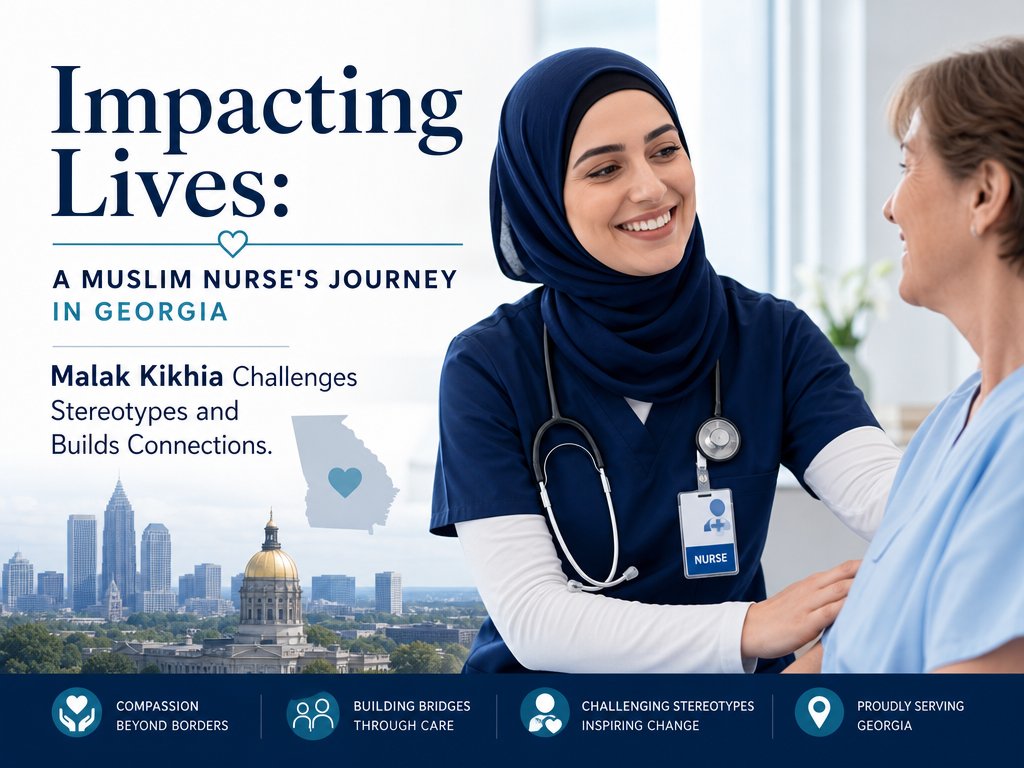
Malak Kikhia proudly identifies as a Muslim within her professional role and frequently engages in discussions about her faith with patients to establish a genuine rapport. Despite encountering prejudice and misunderstandings in certain settings, she remains steadfast and undeterred in her mission. Her journey is marked by a remarkable ability to transform initially skeptical patients into advocates who leave with newfound respect and trust, largely due to her unwavering professional dedication and sincere compassion. Her experiences reflect the challenges faced by many professionals who navigate the complexities of cultural and religious identity in diverse environments. Yet, through her persistence and professionalism, she effectively utilizes these experiences to educate others, proving that diversity can indeed enrich the healthcare experience for both caregivers and patients alike.
Family Life and Personal Beliefs
Balancing her demanding career with her family life, Malak is a devoted mother to her five children. All of her children, American-born and being raised with strong Muslim principles, are encouraged to embrace their individuality and cultural heritage. She instills in them the importance of making personal choices, such as whether or not to wear the hijab, fostering an environment of autonomy and respect for personal beliefs. This approach is a testament to her commitment to raising children who are not only proud of their heritage but also capable of critical thinking and independent decision-making. For Malak, family discussions about personal identity and choices form the cornerstone of a harmonious household. These conversations, characterized by open-mindedness and mutual respect, help cultivate children who are well-prepared to assert their identities confidently and engage with the world positively.
Breaking Cultural Barriers
In her professional capacity, Malak consistently encounters and addresses various cultural sensitivities regarding women’s health that are prevalent in many Muslim communities. Her empathetic and understanding approach has not only empowered countless women during childbirth but has also fostered a deeper understanding and appreciation across diverse cultural boundaries. By facilitating open dialogues and providing culturally sensitive care, she helps demystify health practices and encourages communities to dispel myths and embrace scientifically grounded healthcare approaches. Moreover, Malak’s efforts to provide a safe environment where patients feel heard and respected have been instrumental in encouraging women to actively participate in their healthcare decisions. This not only enhances patient satisfaction but also boosts health outcomes, showcasing the significance of cultural competency in healthcare.
Building Bridges Through Nursing
Beyond her professional duties, Malak Kikhia actively seeks to change perceptions about Muslim-Americans through her compassionate service. Her work is not confined to hospital walls; rather, it extends into the broader community where she diligently builds bridges between diverse communities and opens pathways of acceptance and understanding. Through her actions, Malak illustrates that kindness, empathy, and professionalism transcend cultural and religious differences, creating a legacy of tolerance and unity. Her involvement in community outreach programs and health education seminars has been instrumental in fostering intercultural dialogue and cooperative relationships among seemingly disparate groups. These initiatives not only break down stereotypes but also encourage communal harmony and the embracing of diversity. By highlighting shared values and common goals, Malak’s work inspires others to recognize the strength that lies in unity and mutual respect. Her efforts pave the way for future generations to live in a society where diversity is celebrated and inclusivity is the norm.