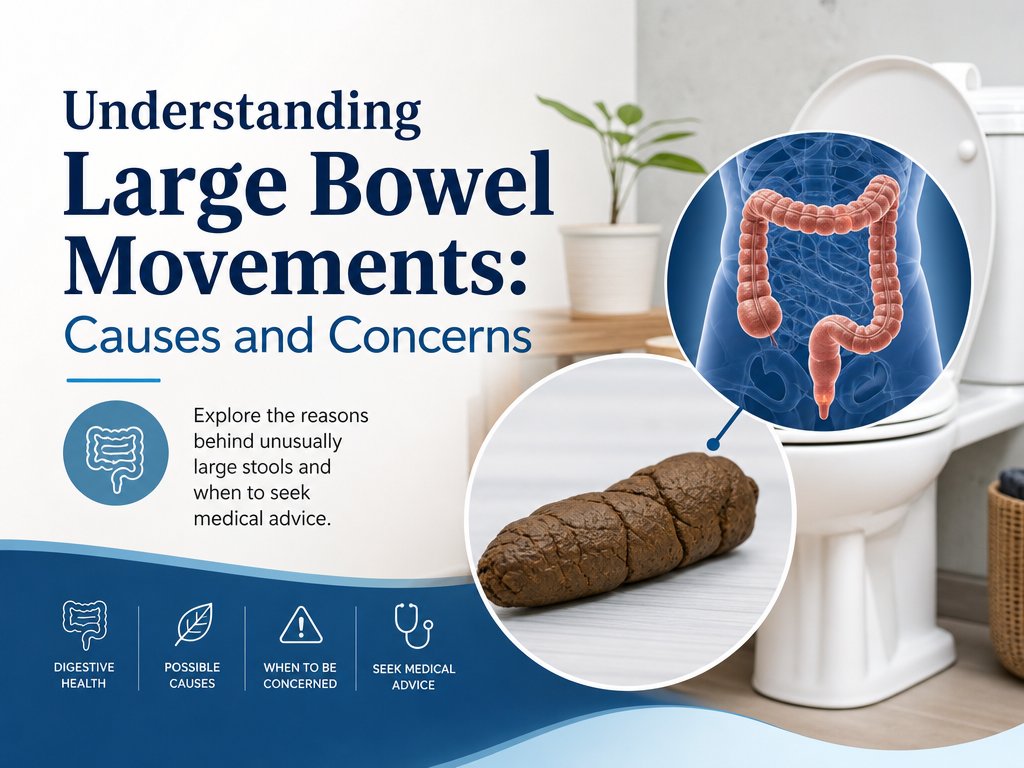
Understanding Large Bowel Movements
Occasionally, you may experience unexpected large bowel movements. These can result from consuming substantial meals or other factors affecting your digestive health. Understanding the underlying reasons and identifying when these occurrences might be problematic is essential for maintaining good digestive wellness.
Signs of Concern
Occasionally having a large bowel movement isn’t a cause for immediate concern. However, consistently experiencing large poops may signal underlying health issues. It’s vital to be aware of changes in your bowel habits and understand when to consult a healthcare provider. The importance of this awareness can’t be overstated, especially when there are persistent changes in stool size or frequency associated with discomfort or other alarming symptoms, which could necessitate medical attention. Recognizing these signs early can lead to better health outcomes.
Recognizing Normal vs. Concern
Most bowel movements are several inches long and have a shape similar to a piece of corn or a sausage. If your stool consistently exceeds the usual size, it might indicate potential health concerns, particularly if paired with other symptoms such as abdominal pain, bloating, or changes in consistency. The Bristol Stool Form Scale is a useful tool for categorizing stool shapes and sizes, assisting you in identifying irregularities in bowel movements. By regularly comparing your bowel movements to this scale, you can gain insights into whether your digestive system is functioning as it should.
Factors Contributing to Large Stools
Dietary habits can significantly impact stool size. Increased fiber and water intake may lead to bigger stools by speeding up the transit time through the intestines. This effect occurs as fiber adds bulk and water keeps stools soft, facilitating easier passage. While frequently having large stools isn’t typically concerning, consistent occurrences may warrant a medical evaluation. Other factors, such as stress, lack of exercise, or certain medications, can also influence bowel movement size and regularity.
Potential causes for concern include:
- Changes in bowel habits such as frequency or stool texture.
- Consistent constipation or difficulties in passing stools.
- Other troubling symptoms like unexpected weight loss, persistent abdominal pain, or changes in appetite.
When to Consult a Doctor
If increasing physical activity and dietary changes don’t normalize stool size, it may be prudent to consult a healthcare professional. They can help determine if there’s a need for treatment or further testing. It’s important to communicate any additional symptoms or concerns you might have during these discussions, as they can provide critical insights into your health status.
Discussing your digestive health with a doctor can provide peace of mind and help address potential issues. It allows for early intervention, which can prevent more serious health problems down the line. The doctor may conduct a physical exam, order tests, or suggest lifestyle modifications to manage your symptoms effectively.
In summary, if you’re frequently experiencing large stools despite dietary adjustments, a medical consultation is advisable to rule out possible concerns. Being proactive about your digestive health helps maintain your overall well-being and ensures that any underlying issues are promptly addressed, fostering long-term health and preventing complications.