Understanding Frozen Shoulder in Diabetics
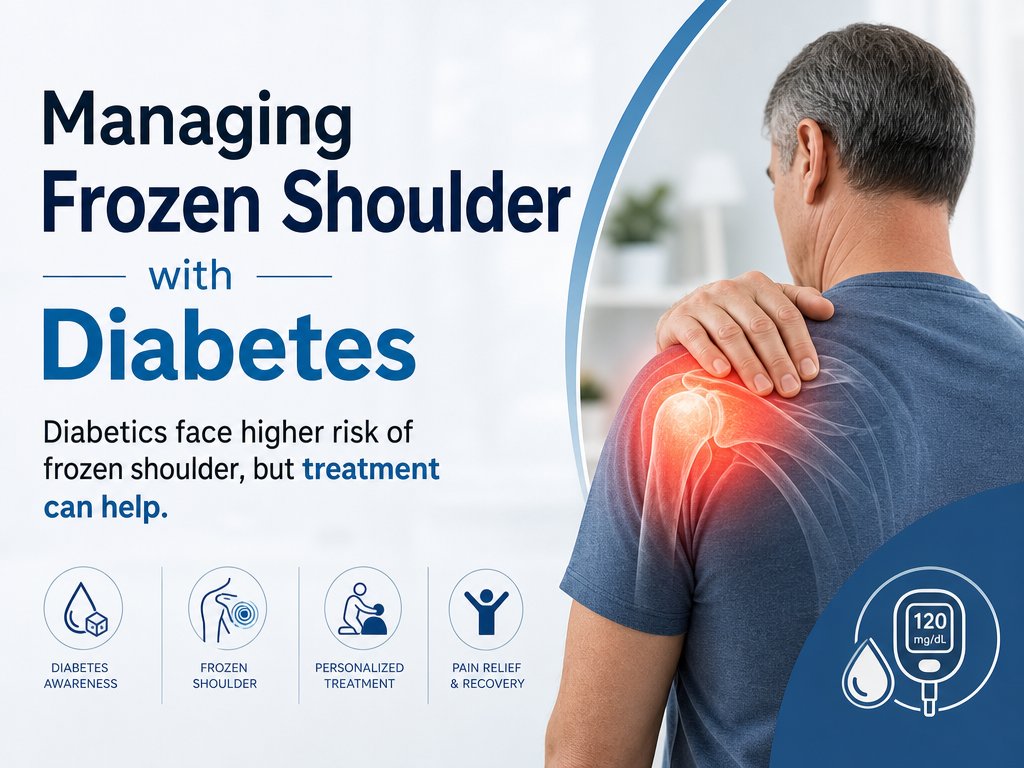
Bezzy communities offer valuable support for individuals dealing with chronic illnesses. When shoulder pain intensifies and is coupled with reduced motion, it might be a case of frozen shoulder, a condition prevalent among diabetes patients. Addressing frozen shoulder often involves physical therapy, though other interventions, including surgery, might be considered necessary in severe cases.
A Personal Experience
Scott Johnson, a Californian living with type 1 diabetes, experienced persistent shoulder discomfort, attributing it initially to an old sports injury. After ineffective physical therapy sessions, he was diagnosed with adhesive capsulitis, widely recognized as frozen shoulder. This condition, although less frequently discussed as a complication of diabetes, significantly affects those who have it and can impact their quality of life. Johnson’s determination to regain functionality led him to explore various treatments until he found one that suited his needs and health condition.
Contributing Factors and Symptoms
The shoulder capsule, composed of thick connective tissue surrounding the shoulder joint, can become thickened and tightened. This may result in adhesions that restrict motion, leading to significant pain. In diabetics, the chances of developing frozen shoulder are higher, possibly linked to long-term challenges in blood sugar control and management. This correlation emphasizes the need for diabetics to manage their condition meticulously to avoid such complications.
Statistical Insights
Research indicates that a considerable percentage of individuals with diabetes eventually develop a frozen shoulder. Due to potential underreporting, actual statistics could be higher. The severity of the condition in diabetics compared to those without diabetes underlines the importance of proactive management strategies to help avert or mitigate the condition. Increased awareness and regular monitoring can aid in early detection and treatment, which are crucial in managing symptoms effectively.
Treatment Approaches
Treatment for frozen shoulder often involves non-surgical methods like physical therapy, aimed at enhancing joint flexibility. If these non-invasive approaches prove ineffective, medical interventions, such as shoulder joint capsule distension or steroid injections, may be advised to alleviate symptoms. These treatments aim to reduce inflammation and pain, facilitating a quicker return to daily activities.
Johnson’s Recovery Journey
Opting to avoid steroids, Johnson explored various treatments and chose a procedure known as Shoulder Joint Capsule Distension or hydroplasty. This method, akin to balloon inflation, expands the joint capsule, providing relief and improved mobility for his shoulder. Post-procedure, Johnson committed to intensive physical therapy sessions, which greatly enhanced his shoulder’s functionality and range of motion. His commitment to twice-weekly therapist visits was integral in his rehabilitation process, ensuring steady progress.
Long-term Management
By following a disciplined regimen, Johnson was able to return to playing basketball, showcasing extraordinary recovery in mobility. The rapid and extensive improvement convinced him to consider undergoing similar treatment if symptoms appeared in his other shoulder in the future. His experience highlights the importance of personalized treatment plans in managing frozen shoulder effectively and achieving long-lasting results.
Healthcare Implications
Managing a frozen shoulder can take considerable time, potentially necessitating a recovery period extending up to three years. Consistent physical therapy, alongside vigilant, long-term diabetes management, is crucial for effectively handling and overcoming frozen shoulder. This combined approach ensures the best possible outcomes and helps maintain a higher quality of life for those affected by this debilitating condition. Regular follow-ups with healthcare providers can also be beneficial in monitoring progress and adapting treatment plans as necessary. Maintaining an open line of communication with medical professionals aids in addressing concerns quickly and efficiently, allowing for timely interventions that can prevent complications. As these cases exhibit, dedication to rehabilitation and a proactive approach to diabetes management can yield significant improvements, enhancing both health and overall well-being.