Understanding Crystal Healing
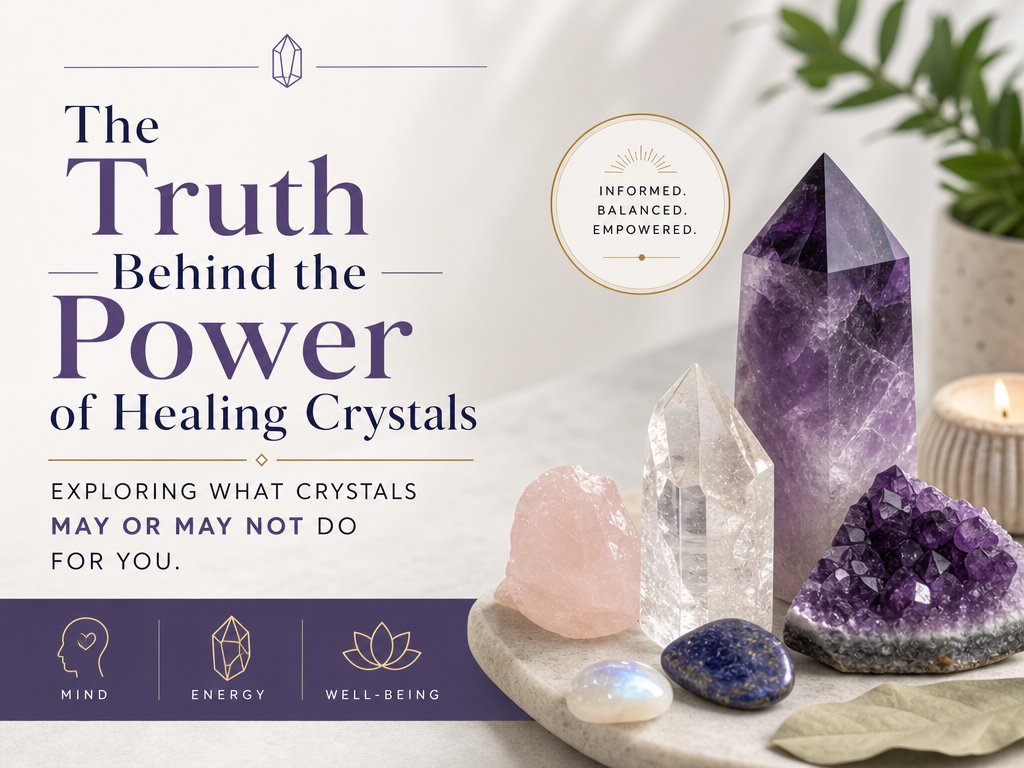
Crystal healing is perceived by some as a complementary strategy to enhance overall health and wellness. Although predominantly anecdotal, the belief in the power of crystals persists among many. People are drawn to the intricate beauty and perceived aura of these natural formations, often attributing emotional and spiritual benefits to their use.
Crystals, typically semi-rare, are termed for their vibrational energy. This energy is believed to interact with the body’s natural frequencies, potentially promoting tranquility and clarity. Different kinds of crystals are thought to hold varying energies; for instance, amethyst is often associated with calmness and balance, while rose quartz is linked to love and positivity. Despite the varied literature, these stones continue to play a role in various cultural and spiritual practices worldwide, symbolizing elements such as pure intentions, healing light, and divine guidance.
The Traditional Science Viewpoint
Historically, the Curies discovered that crystals can generate electricity under certain conditions, dubbed the piezoelectric effect. While intriguing, the scientific community remains skeptical about therapeutic applications relating to energy fields purportedly associated with crystals. Scientific proof or consistent consensus regarding their efficacy in healing practices is currently lacking, leaving many scientists unconvinced of their benefits outside of the aesthetic or meditational context.
Research Insights
Studies imply that any energy emitted by crystals is minuscule compared to therapies like electrical currents used within conventional medicine. Researchers argue that the measurable energies from crystals are negligible and unlikely to produce significant health benefits.
A study implied the placebo effect might largely account for the supposed benefits of crystals. Participants reported similar feelings of energy regardless of crystal authenticity. This suggests that mindset and perception play crucial roles in any perceived outcomes from crystal use. The act of holding or focusing on a crystal could enhance self-awareness and promote feelings of well-being, influencing one’s emotional state positively. Nevertheless, the subjective experience holds importance for many people who find comfort in the ritualistic use of crystal therapy as a personal affirmation tool.
Considerations for Crystal Use
Crystals are sometimes turned to for mental health support, yet such use should supplement, not replace, medical advice. Individuals looking into crystal healing are encouraged to consider it as a complementary wellness strategy rather than a standalone solution for health issues.
Their main value could lie in promoting a sense of calm and grounding—core attributes of mindfulness practices. In an age where stress and digital distractions are prevalent, intentionally engaging with crystals might aid one in centering themselves amid chaos. The tactile experience of handling crystals provides a physical reminder to pause, breathe, and refocus.
Incorporating Crystals into Routines
Supporting practices like mindfulness and meditation may benefit from the calming presence of crystals. They serve as tools to assist focusing and contribute to a holistic wellness approach. By incorporating crystals into a dedicated corner or personal altar, individuals can create a serene space conducive to relaxation and introspection.
Some enthusiasts carry crystals as jewelry or pocket stones, keeping them within reach as comforting reminders of intentions or as tokens of peace. Others might include them in yoga spaces, alongside candles and incense, to enhance the ambiance and promote an atmosphere conducive to balance and reflection. They can also be placed under pillows or beside beds to potentially improve sleep quality by promoting a restful atmosphere.
The use of crystals in daily practice doesn’t just end at using them in meditative spaces; they can also be infused within the home decor, adding both beauty and utility. Incorporating them into natural water fountains or garden designs can harmoniously blend tranquility with nature, potentially inspiring peace through visual and environmental stimuli. Crystals can be set as part of table centerpieces or incorporated into wind chimes, lighting up your living spaces with their natural beauty and vibrational energies.
Concluding Thoughts on Crystals
Crystals may not hold verified medical power, yet the intentional use in reflection and meditation could enhance your wellness journey. While the physical and measurable impacts are debatable, the symbolic and psychological aspects might contribute positively to an individual’s mental and emotional health.
Remember the importance of integrating crystals as a complement to, but not a substitute for, professional medical care. Combining these practices with established medical treatments and advice ensures a well-rounded approach to health and wellness.
By fostering relaxation and focus, crystals could serve as beneficial tools within a broader wellness toolkit. Whether through enhancing mindfulness practices or providing visual and tactile comfort, crystals invite individuals to explore their inner landscapes, offering moments of serenity amidst life’s bustling pace. They encourage an exploration of our thoughts and feelings, potentially allowing us a means to reconcile internal conflicts or simply provide a quiet space for contemplation and renewal. Embracing the allure of these stones might inspire users to delve deeper into self-awareness, encouraging a journey of personal discovery and growth as they navigate the complexities of life.