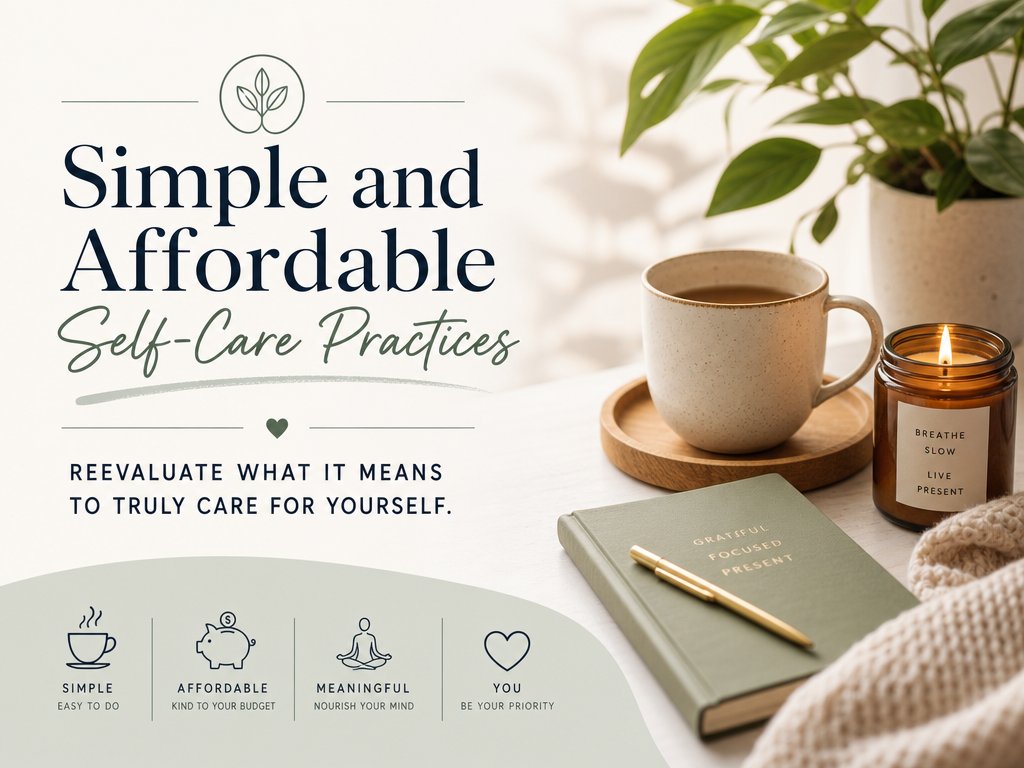
Introduction to Self-Care
Engaging in self-care is essential for holistic well-being, yet many misunderstand the concept. Effective self-care isn’t merely about quick improvements but about fostering practices that enhance physical, emotional, social, cognitive, and spiritual wellness. It includes activities and lifestyle changes that cater to a wide range of personal needs and preferences, ensuring a comprehensive approach to better health that is both individualized and comprehensive. By attending to different aspects of life, self-care ultimately leads to a balanced and healthier lifestyle, promoting both inner peace and external well-being in numerous meaningful ways.
Understanding True Self-Care
Beyond Temporary Fixes
Many people approach self-care as a means to “fix” themselves, but this often doesn’t lead to lasting fulfillment. Instead, self-care should be about establishing routines that nourish your overall well-being. It’s not about drastic change but about meaningful and lasting habits. Rather than quick, temporary solutions, true self-care embraces consistency and intentionality, providing resilience against life’s stressors over time. By emphasizing small, habitual actions, we cultivate a stronger foundation for emotional and mental health, which requires ongoing attention and regular maintenance. Consistency is key; committing to even the simplest self-care practice can provide a substantial layer of defense against life’s inevitable challenges. Such practices encourage a deeper understanding of one’s personal needs, ultimately fostering self-compassion and acceptance, which can significantly enhance one’s quality of life.
Overcoming Barriers
Time and financial constraints often deter individuals from prioritizing self-care. However, incorporating small, manageable changes into daily routines can significantly impact overall health. Dr. Wayne Jonas advises integrating self-care discussions into medical visits, reminding patients to address lifestyle improvements as part of their health care. This strategy focuses on preventive measures, helping individuals take the necessary steps to avoid health complications later. By breaking down self-care into achievable, bite-sized actions, the overwhelming task becomes approachable, and its benefits more accessible to everyone. Additionally, by understanding the diverse dimensions of self-care, such as finding balance between work and leisure, individuals are more likely to stay committed to their well-being goals, integrating them seamlessly into their lives. Moreover, with the guidance of healthcare professionals, individuals can develop tailored self-care plans that align closely with their unique circumstances, increasing the likelihood of long-term adherence and success.
Proactive Engagement
Seeking Integrative Care
Jonas recommends patients prepare questions and request lifestyle visits to discuss sleep, nutrition, and stress management. Structured consultations can ensure vital health topics receive attention, underscoring the need for proactive patient involvement. By engaging in open dialogue with healthcare providers, patients can tailor self-care strategies to their unique lifestyles and needs, fostering a more personalized care experience. This collaboration leads to a more empowered patient who actively participates in their health journey, making more informed decisions concerning well-being. The integration of complementary health practices with traditional medical care further amplifies the impact of self-care routines, offering a more holistic approach to health management. This blend of traditional and alternative practices empowers individuals to explore a variety of methods for achieving optimal health, ensuring a comprehensive defense against both physical and mental health challenges.
Making Small, Meaningful Changes
Adopting the Kaizen Method, focus on continuous, incremental improvements. Begin with diet, exercise, and sleep, then expand into mental and emotional wellness by exploring therapy, mindfulness, and stress management techniques. Each small step builds towards significant improvement in overall well-being, creating a ripple effect of positive changes that enhance life quality. This method allows individuals to approach self-care with less pressure, fostering an environment where small successes are celebrated and continuously built upon. Such an approach not only mitigates feelings of overwhelm but also promotes a sustainable model of health where every action, however minor, is steps toward long-term vitality. The philosophy behind this method emphasizes the importance of sustained progress, which eventually leads to profound transformations and a more satisfied life, harmonizing everyday living with personal health objectives.
Collaboration in Self-Care
The Role of Community and Support
Cultivating relationships with friends, family, and community plays a critical role in maintaining self-care. Social connections not only support mental health but also foster a sense of belonging and purpose. Engaging in activities with like-minded individuals enhances emotional resilience. These connections provide emotional support, encouragement, and motivation, which are crucial components in sustaining long-term health strategies and self-care endeavors. By participating in community-based activities, people can also learn new self-care methods and receive inspiration and interaction, which act as catalysts for maintaining their commitment to self-improvement and higher wellness standards. Additionally, a strong support network can provide accountability, helping individuals stay attuned to their self-care goals and encouraging perseverance even when progress seems slow. This supportive environment allows individuals to share challenges and triumphs, creating a shared journey towards enhanced well-being and empowerment for all involved.
Embarking on a Self-Care Journey
Finding balance in self-care practices involves choosing activities that genuinely resonate with you. This may include social, spiritual, or leisure activities that bring joy and satisfaction. Redefine self-care as an integral part of daily life, rather than an isolated luxury. Through careful selection of self-care activities, individuals can craft a personalized and enjoyable self-care routine that continually evolves with their changing needs and aspirations. Embracing this journey means pursuing activities that are emotionally fulfilling, mentally stimulating, and physically beneficial, becoming an ingrained part of one’s lifestyle and supporting a richer, more balanced existence. This approach nurtures not only personal development but also cultivates a life that is enriched by continuous self-reflection and growth, with self-awareness increasing at every step.
Conclusion
Incorporating self-care into daily routines doesn’t need to be daunting or expensive. Simple actions like walking in nature, practicing mindfulness, or nurturing personal connections offer profound benefits. Start small and build a foundation that supports long-term health and happiness. With each thoughtful decision to prioritize personal well-being, individuals pave the way for a future filled with health, resilience, and contentment, transforming self-care from an abstract concept into a life-enhancing practice. As you continue to expand and refine your self-care regimen, it results in a healthier, more fulfilled version of yourself, capable of handling life’s complexities with greater ease and confidence. Prioritizing self-care fosters an inner strength that enhances both personal and relational spheres of life, contributing positively to family and community dynamics. Ultimately, thoughtful self-care leads to a domino effect of positive change, underscoring its value as an indispensable element in the tapestry of a fulfilling life. This ongoing commitment to self-care becomes an empowering force, boosting your capacity to lead a life of purpose, grace, and vibrancy.