Understanding Yoni Pearls
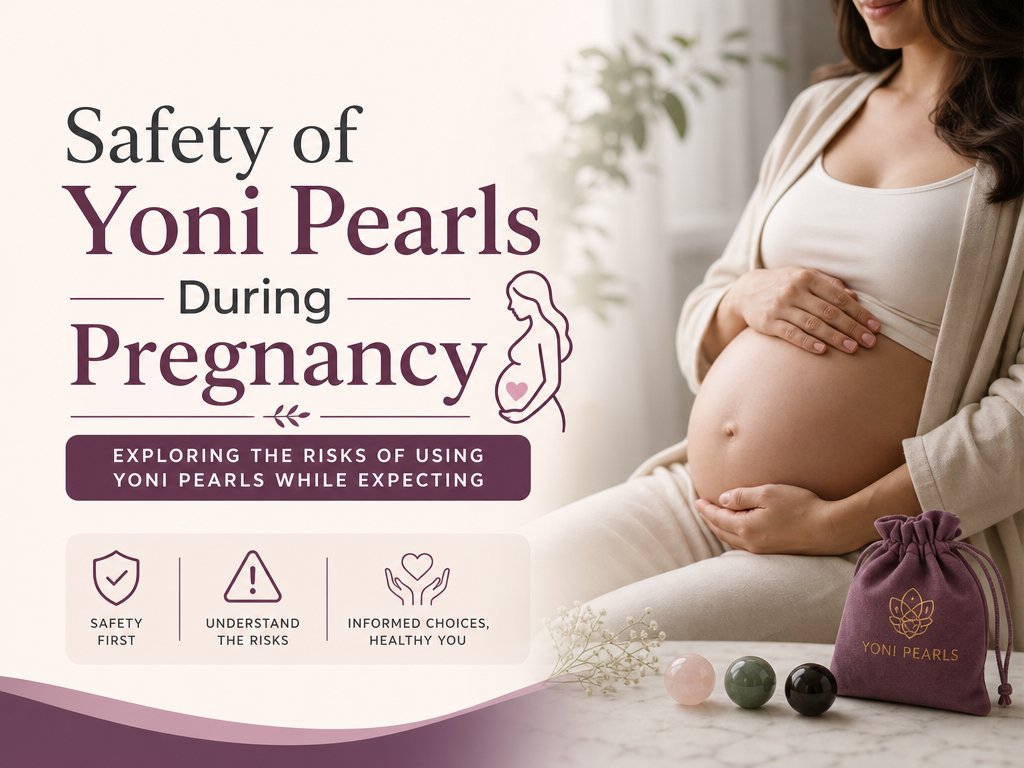
During pregnancy, it’s entirely natural for expectant mothers to explore different ways to care for themselves and prepare for the upcoming changes. One product that has generated significant attention is yoni pearls, which are often promoted for their alleged detoxifying abilities. But what exactly constitutes yoni pearls, and are they truly safe for pregnant women?
Yoni pearls are small, cloth-covered balls filled with a blend of herbs. They are marketed as a holistic method to cleanse the vagina or uterus of negative influences, including purported bodily toxins and the emotional residue from past relationships. Despite these claims, there is no scientific evidence to support their efficacy. Often, these claims rely more on anecdotal testimonials rather than rigorously tested and verified scientific research. The lack of empirical support opens a debate about their purported benefits within holistic and alternative medicine circles.
Medical Concerns and Miscarriage Risk
Although there are no documented cases directly linking yoni pearls to miscarriages, they present potential risks to users. Medical professionals emphasize that the vagina is naturally self-cleaning, and they advise caution against inserting foreign objects that could disturb this natural balance. Such disruption may increase the risk of infection, especially during pregnancy when changes in pH and hormonal levels already heighten vulnerability.
The herbs in yoni pearls, similar to products like douches, can alter the healthy bacterial flora in the vagina, potentially leading to complications. Such products often contain a wide array of herbal ingredients, some of which might interact with the body’s chemistry in unpredictable ways. Concerns have been raised about products containing borneolum syntheticum, a synthetic ingredient associated with adverse reactions. This can be especially problematic during pregnancy, a period marked by heightened sensitivity and vulnerability to infections.
Potential Complications of Yoni Pearls
Inserting yoni pearls can cause mechanical irritation or scratches inside the vaginal wall, which introduces a risk of infection. Complications might include pelvic inflammatory disease, affecting the reproductive system, potentially causing long-term health issues and increasing the risk of miscarriage. Furthermore, failure to remove the product promptly could contribute to further complications.
Unrestricted use of yoni pearls—left in place for up to 48 hours—runs counter to widely-accepted health guidelines that advise against leaving tampons in for over eight hours due to the risk of toxic shock syndrome (TSS), highlighting the potential for severe infections. This guideline underscores the importance of being cautious and informed about anything inserted into the vaginal area. The risks associated with prolonged insertion underscore the need for stringent personal care protocols, stressing the necessary balance to maintain health, particularly in sensitive areas.
Consumer Warnings and Regulations
Yoni pearls are not endorsed by authoritative bodies like the FDA, and in 2019, Health Canada banned their sale due to misleading claims and safety concerns. Users should remain vigilant and consult healthcare professionals before considering such products. The lack of regulation and oversight in the herbal wellness market further complicates consumer safety, emphasizing the need for informed decision-making. Proper guidance from a qualified healthcare professional can aid in understanding the true impact of these products and help prevent the mistake of substituting them for medically approved treatments and interventions.
Signs of Infection and Miscarriage
It is crucial for users to be cognizant of signs that may indicate infections or complications, such as unusual discharge, discomfort, itching, or a foul odor. If these symptoms occur, seeking medical advice is necessary to prevent any escalation into severe health issues. Miscarriages, often resulting from genetic abnormalities, aren’t typically caused by external factors, though infections can contribute to them by creating an inhospitable environment for pregnancy. Furthermore, understanding the interplay between physical symptoms and overall health during pregnancy is critical for ensuring safety.
Consult with healthcare providers for personalized medical advice about vaginal health during pregnancy. Attempting “natural” remedies without guidance can lead to unintentional and harmful consequences. This emphasis on consulting with experts ensures that personal health decisions are well-informed and safe. The expertise of healthcare providers offers a crucial backbone to navigating the myriad of products marketed to pregnant individuals, ensuring that safety is paramount and never compromised for unproven benefits.
Always prioritize professional medical advice over anecdotal claims associated with yoni pearls or similar products. Ensuring safety and health during pregnancy is key, and relying on unverified methods is risky and potentially harmful. The journey of pregnancy involves complex changes necessitating precise care, underscoring the importance of scrutinizing potentially harmful products and increasingly popular trends with a discerning eye.
By staying informed and exercising caution, parents-to-be can navigate the complex wellness landscape more safely, ensuring their choices align with best practices in maternal health. Understanding one’s body, coupled with professional guidance, fortifies the journey toward childbirth, reinforcing the significance of placing trust in scientifically supported methods over unverified fads. Making informed and educated decisions is crucial in safeguarding both the mother and the developing baby, bolstering a pathway to a healthy and successful pregnancy.