Introduction
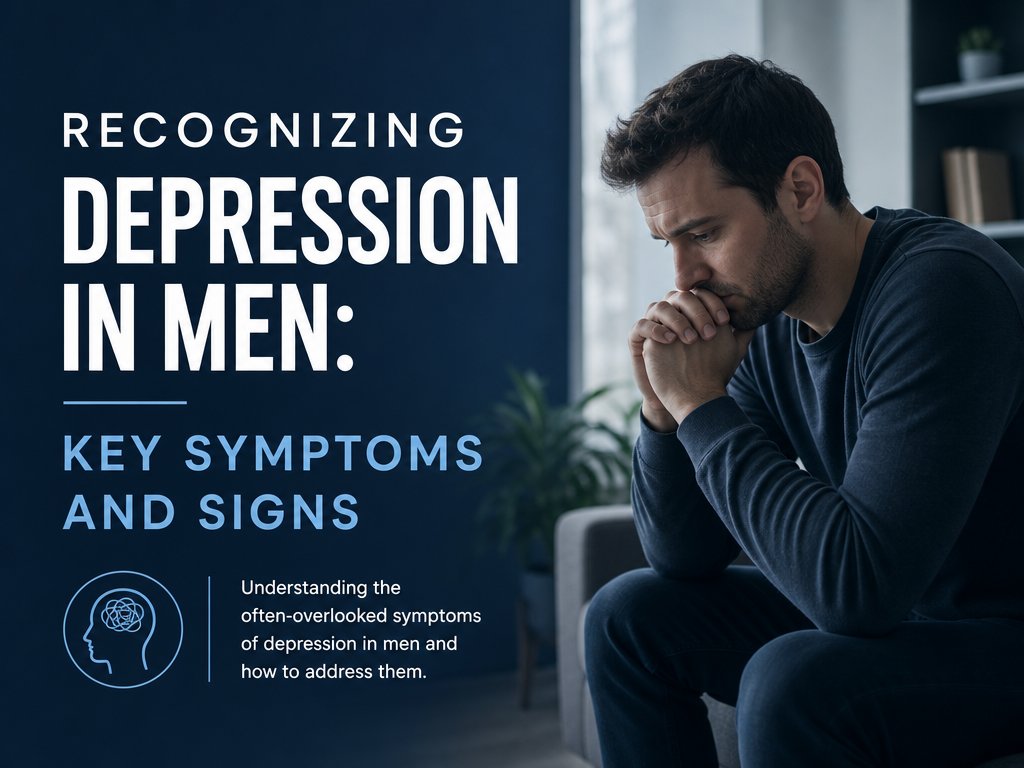
Depression affects individuals across all genders, but in men, the symptoms often remain unnoticed or misinterpreted due to a combination of societal beliefs and inherent biological differences. Despite traditional stereotypes that may suggest otherwise, depression is a significant mental health condition capable of influencing thoughts, emotions, and behaviors in profound ways. Understanding the unique way depression manifests in men is crucial for addressing their mental health needs effectively.
Prevalence and Diagnosis Challenges
Statistics from the Centers for Disease Control and Prevention (CDC) highlight that women usually report higher instances of depression. However, this data can be misleading when considering men, who may underreport symptoms. Societal expectations and pressures often cause men to hide or understate the signs they experience, leading to a possible underdiagnosis in this demographic. As a result, many men may continue navigating daily life without receiving the critical support they need, adversely impacting their overall well-being.
Physical Symptoms in Men
Among men, depression may initially manifest through physical symptoms, which are sometimes perceived before the mental ones. Even though depression is a mental illness, the body can reflect its impact. Common physical indicators experienced by men include chronic fatigue, disrupted sleep patterns, and notable weight fluctuations. Physical discomfort and other somatic symptoms like headaches or digestive problems can also signal underlying psychological distress.
Mental Symptoms Variations
The mental symptoms of depression in men can vary distinctly from those in other genders. These differences can influence their cognitive processes and overall demeanor, presenting as irritability, an unusual increase in aggression, or profound feelings of sadness. Recognizing these signs is essential for understanding their specific characteristics of depression. Men may also experience difficulty concentrating, decision-making challenges, and a marked lack of motivation, all of which can significantly disrupt both personal and professional life.
Emotional and Behavioral Symptoms
Depression is often associated with persistent sadness, but in men, it might be expressed through different emotional and behavioral patterns such as frustration, increased irritability, or overt displays of anger. Identifying these behavioral cues can be complex, as there exists a societal tendency for men to suppress these emotions to conform to traditional views of masculinity. Furthermore, men might engage in risk-taking behaviors or substance abuse as a form of coping mechanism to escape the emotional turmoil they’re experiencing.
Social Stigma and Internalization
Despite growing awareness around mental health, there remains a stigma attached to discussions about it, particularly for men. Cultural narratives frequently teach men to internalize and suppress their emotions, a behavior that detrimentally impacts both mental and physical health. For many, acknowledging and expressing symptoms can serve as vital initial steps in pursuing help and support, yet the fear of being perceived as weak or vulnerable often prevents them from doing so. As the stigma persists, men may delay seeking treatment, worsening their condition and perpetuating misconceptions about strength and emotional resilience.
Treatment and Support
Treatment options for depression can vary widely and often encompass psychotherapy, medication, or a combination of both. Tailoring the treatment approach with professional input is crucial for effectiveness. Men might start with counseling or therapy sessions with medication introduced as a support when required. Recognizing the signs of depression in oneself or others is vital to accessing timely and effective treatment services. In addition to traditional treatments, support groups specifically for men can provide a safe space for them to share experiences and strategies without judgment.
If severe symptoms or thoughts of self-harm arise, reaching out to crisis intervention services such as the Suicide and Crisis Lifeline is crucial. A robust support network and informed therapeutic interventions can make a significant difference in managing and overcoming depression’s challenges. Support can also come from family, friends, and community resources. Understanding and empathy from loved ones can play a monumental role in the healing process, reinforcing the importance of creating an encouraging and non-judgmental environment. By fostering such a community, it becomes possible to break down barriers and enable men to engage openly in conversations about their mental health.
Conclusion
Promoting open conversations about mental health and increasing awareness of symptoms that are particular to males can pave the way to effective interventions and management strategies, making depression a manageable condition. Through appropriate and targeted treatment, many men can achieve and maintain fulfilling lives, underscoring the immense value of understanding and addressing mental health issues openly and without prejudice. It is vital to continue dismantling stereotypes surrounding men’s mental health so that individuals feel empowered to seek help, acknowledge their struggles, and ultimately find effective pathways to well-being. With societal effort in shifting perspectives and expanding support networks, the journey toward mental health resilience becomes feasible.