Introduction to HIV Transmission
HIV, a virus known for its detrimental effect on the immune system, attacks and destroys CD4 cells, leaving the body vulnerable to various infections. Over time, if left untreated, HIV can lead to AIDS, a condition where individuals are increasingly susceptible to diseases. According to the World Health Organization, by the conclusion of 2020, an estimated 37.7 million people worldwide were living with HIV, highlighting the virus’s pervasive impact. This statistic not only underscores the importance of awareness and education but also marks the need for continued global efforts in research, prevention, and treatment initiatives.
How HIV Transmission Occurs
Modes of Transmission
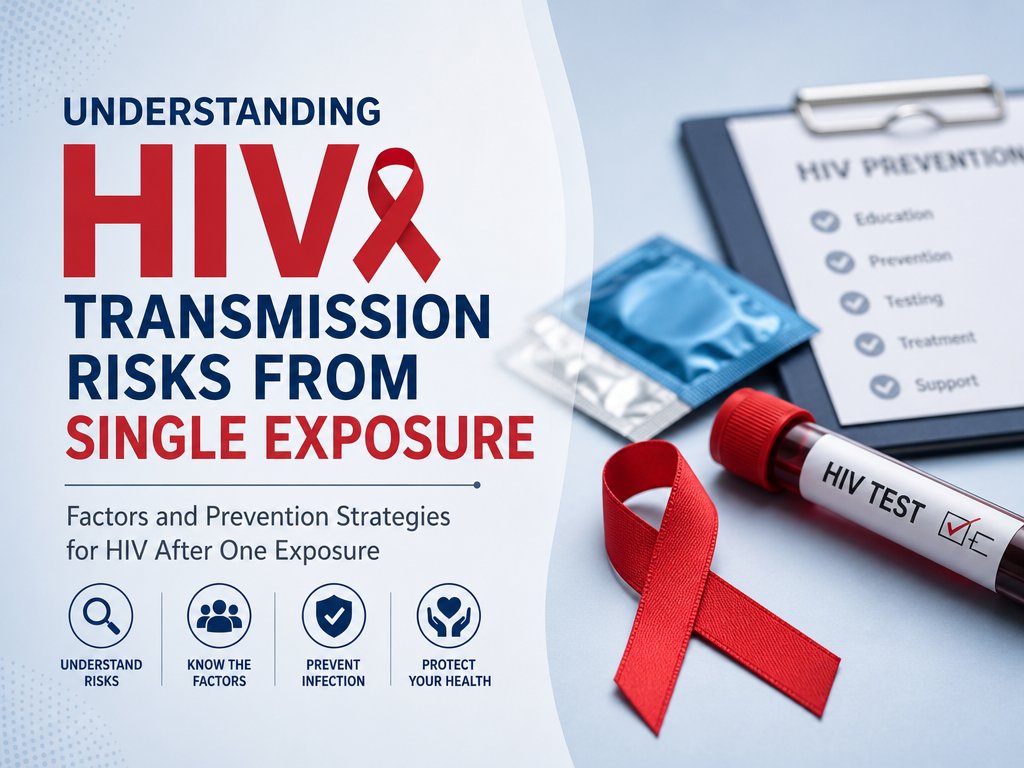
HIV primarily spreads between individuals through the exchange of certain bodily fluids. The most common methods of transmission include engaging in unprotected anal or vaginal intercourse, sharing of needles, transfusion of contaminated blood, and from an HIV-positive mother to her child during pregnancy, childbirth, or breastfeeding. Even a seemingly brief and singular exposure can suffice for transmission to occur. It is crucial to recognize that HIV is not transmitted through casual contact, such as hugging, shaking hands, or sharing food or drinks. It cannot survive long outside the human body, making such forms of transmission impossible. Therefore, misconceptions about transmission routes must be clarified to reduce stigma and misinformation associated with the condition.
Factors Influencing Transmission
Several variables can influence the probability of contracting HIV following exposure. If an individual comes into contact with bodily fluids on mucus membranes, such as those located in the genital or rectal areas, the risk of contracting the virus increases. Additional factors include the viral load, which refers to the amount of virus in the bodily fluids; multiple exposures over time; the presence of genital ulcers or other sexually transmitted infections (STIs) that can serve as additional gateways for the virus, and the overall health condition of the person exposed. Understanding these factors can lead to better prevention practices and improved health outcomes by raising awareness among at-risk populations.
Prevention and Reduction of Transmission
Preventive Measures
Implementing a combination of protective strategies and treatments can dramatically reduce the risk of contracting or transmitting HIV. For example, pregnant individuals living with HIV can significantly reduce the likelihood of mother-to-child transmission by adhering to prescribed HIV medications during pregnancy and childbirth, coupled with the administration of medication to the newborn shortly after birth. Moreover, people living with HIV who maintain an undetectable viral load due to effective antiretroviral treatment cannot transmit the virus to their sexual partners, a concept known as “undetectable equals untransmittable” (U=U). This not only helps in controlling the spread at an individual level but also aids in broader public health efforts to curb the epidemic.
Role of Anti-HIV Drugs
Anti-HIV drugs like Preexposure Prophylaxis (PrEP) and Postexposure Prophylaxis (PEP) have proved to be highly effective preventive measures. PrEP is a pill taken daily that significantly reduces the risk of HIV transmission by as much as 99% during sexual activities and by approximately 74% from injection drug use when used consistently as prescribed. PEP, on the other hand, is a treatment designed to be used in emergency situations and must be initiated within 72 hours after a potential exposure to the virus to be effective. PEP involves taking antiretroviral medicines daily for 28 days to prevent the virus from taking hold. These medical interventions, when combined with regular monitoring and adherence to medication regimens, provide a robust layer of defense against the virus.
Testing and Treatment Actions
Testing for HIV
Regular testing for HIV is vital, especially after suspected exposure. It is important to understand that while tests cannot detect the virus immediately after exposure, various testing methods are available, each with different window periods—the earliest generally being around 10 days post-exposure. Early detection through testing allows for timely initiation of treatment and reduces the risk of transmission. The Centers for Disease Control and Prevention (CDC) strongly recommend regular HIV testing for individuals aged 13 to 64 as part of routine health care, as well as for those at higher risk, including those with multiple sexual partners and individuals who inject drugs. Accessible testing services and educational campaigns can further encourage populations to participate in regular HIV screening.
Post-Exposure Protocol
If you suspect a potential exposure to HIV, it is imperative to seek advice from a healthcare professional immediately. They can guide you through the necessary testing processes and determine if you are eligible for PEP. It’s important to follow up with continued HIV testing even after an initial negative result within the window period, as subsequent tests provide greater accuracy in determining your HIV status. Physicians often emphasize the efficacy of early testing to maximize the benefits of potential treatments. Ensuring access to post-exposure prophylaxis and knowledgeable healthcare consultations can significantly mitigate the effects of accidental exposures.
Conclusion
Although the risk of contracting HIV from a single exposure is statistically considered low, acknowledging and understanding the various factors that can elevate this risk is essential. Educating oneself about transmission methods, adopting preventive measures such as the use of protection and appropriate medication, and seeking timely medical interventions are crucial steps in managing HIV risk and reducing the spread of this virus. Widespread awareness and action can contribute significantly to the global effort in combating the HIV epidemic. Enhancing education about HIV prevention and treatment options in communities worldwide helps in reducing stigma and increasing the willingness of individuals to seek care and support. While significant progress has been made over the years, sustained efforts and innovative approaches are needed to realize the ultimate goal of an HIV-free world. Each individual’s proactive involvement in learning and practicing prevention not only affirms personal health safety but also empowers entire communities to engage in the fight against HIV effectively.