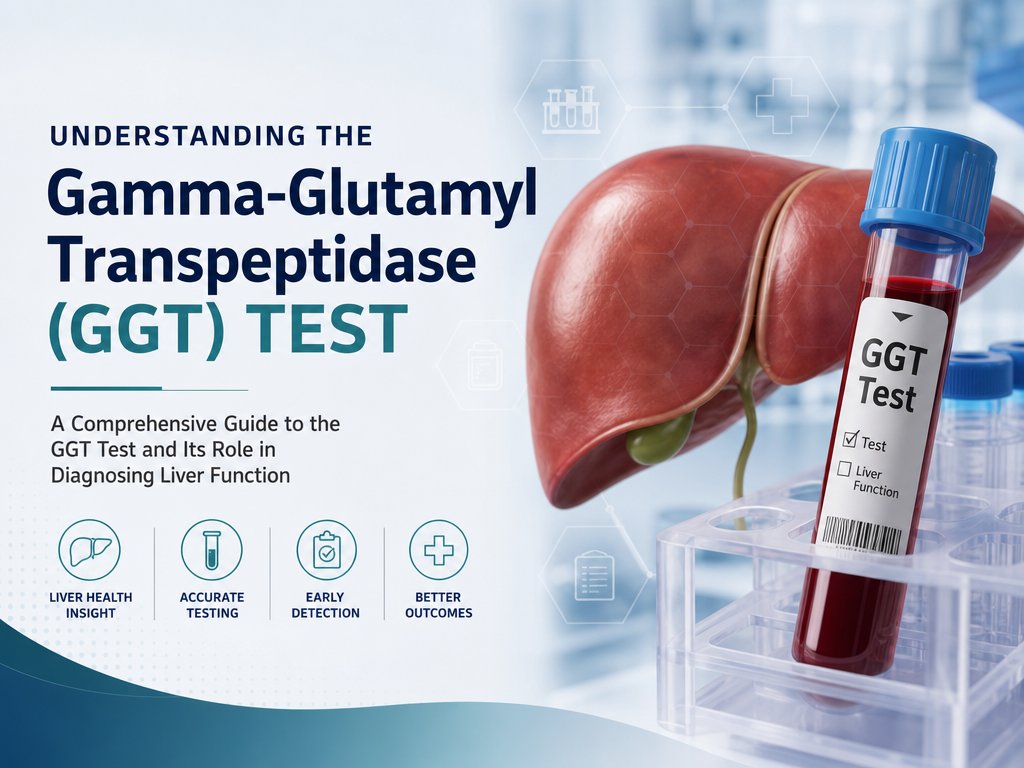
Introduction to the GGT Test
The gamma-glutamyl transpeptidase (GGT) test is a critical measurement that assesses the level of the enzyme GGT in your bloodstream. This enzyme plays a vital role in liver function and is often measured alongside alkaline phosphatase (ALP) to evaluate liver, bile duct, or bone issues. Understanding how GGT supports bodily functions can be key to comprehending its importance in medical diagnostics. Elevated or decreased levels of this enzyme can provide significant insights into the overall health and functionality of your liver and associated organs.
Role of GGT in the Body
Enzymes like GGT facilitate essential chemical reactions, often speeding up or modulating processes that are crucial for maintaining health. GGT helps transport molecular compounds and is chiefly responsible for aiding the liver in breaking down drugs and toxins. While concentrated in the liver, GGT is also found in the gallbladder, spleen, pancreas, and kidneys. These organs rely on the enzyme for processing various substrates, thereby playing a protective role by preventing the accumulation of harmful substances.
Why Test for GGT?
GGT levels rise when liver damage occurs, making the test crucial for evaluating liver health. Elevated GGT levels might indicate liver disease, especially those linked to alcohol use. Recognized for its sensitivity, the GGT test is often employed to detect liver injury. It is a vital marker for doctors monitoring patients post alcohol rehabilitation. Additionally, elevated GGT levels can indicate other potential issues such as bile duct obstructions, hepatitis, cirrhosis, or even pancreatic disorders.
Preparing for the GGT Test
Preparations may include fasting for eight hours and avoiding certain medications. Alcohol consumption within 24 hours of the test can skew results, highlighting the importance of an accurate preparatory process for obtaining reliable results. Patients may be given specific instructions to halt the use of supplements or herbs, as these can also interfere with enzyme activity readings.
The Testing Procedure
A blood sample is typically drawn from the arm, and while slight discomfort or bruising might occur, the procedure is safe. Results are usually ready the next day, with normal levels ranging from 9 to 48 units per liter, though variations due to age, gender, and individual health conditions can occur. Careful collection and handling of the sample are vital to ensure precision in results. The medical staff conducting the procedure will ensure that all protocols are followed to reduce any risk of contamination and inaccuracy.
Interpreting Test Results
Elevated GGT may necessitate further testing to identify liver damage causes. Doctors may compare GGT with ALP results: concurrent elevation suggests liver or bile duct issues, while isolated ALP rise indicates possible bone disease. Evaluation of other liver enzymes could provide a broader understanding; this includes parameters such as ALT and AST, which might offer a unified picture of liver health and functionality.
Factors Affecting GGT Levels
Medications, gender, age, and temporary behaviors can influence GGT levels. Women generally see GGT increases with age. A month of abstaining from heavy drinking is needed for GGT normalization. Smoking can also augment GGT levels. Other factors like obesity, metabolic syndrome, and certain genetic predispositions may significantly impact enzyme levels. It’s important for healthcare providers to consider these variables when assessing test results to avoid misdiagnosis or premature conclusions.
Caring for Your Liver
Liver damage is serious and may lead to irreversible conditions. Alongside the GGT test, a variety of diagnostics provide comprehensive insights into liver health. Consult healthcare providers if liver damage symptoms occur. Prominent lifestyle changes, such as quitting alcohol and smoking and reducing coffee intake, support liver recovery. Incorporating liver-friendly foods, such as leafy greens, fatty fish, and nuts, can provide essential nutrients and antioxidants that aid in liver regeneration and protection.
In summary, a balanced lifestyle including proper liver care and regular medical consultations form the cornerstone of maintaining liver health and effective management of GGT levels. Regular physical activity, adequate hydration, and routine medical check-ups facilitate early detection of issues, thereby ensuring timely intervention and maintained well-being through comprehensive support strategies. Exploring mindfulness and relaxation practices can handle stress levels which can indirectly benefit your liver health too. Consistent partnering with a healthcare provider ensures tailored strategies that address individual health needs, helping manage both the existing conditions and reduce potential risks associated with liver dysfunction. Keep in mind that preventive health care, consisting of appropriate diet and moderation in alcohol consumption, forms part of the holistic approach to liver wellness.