The Risk of Mouse Droppings
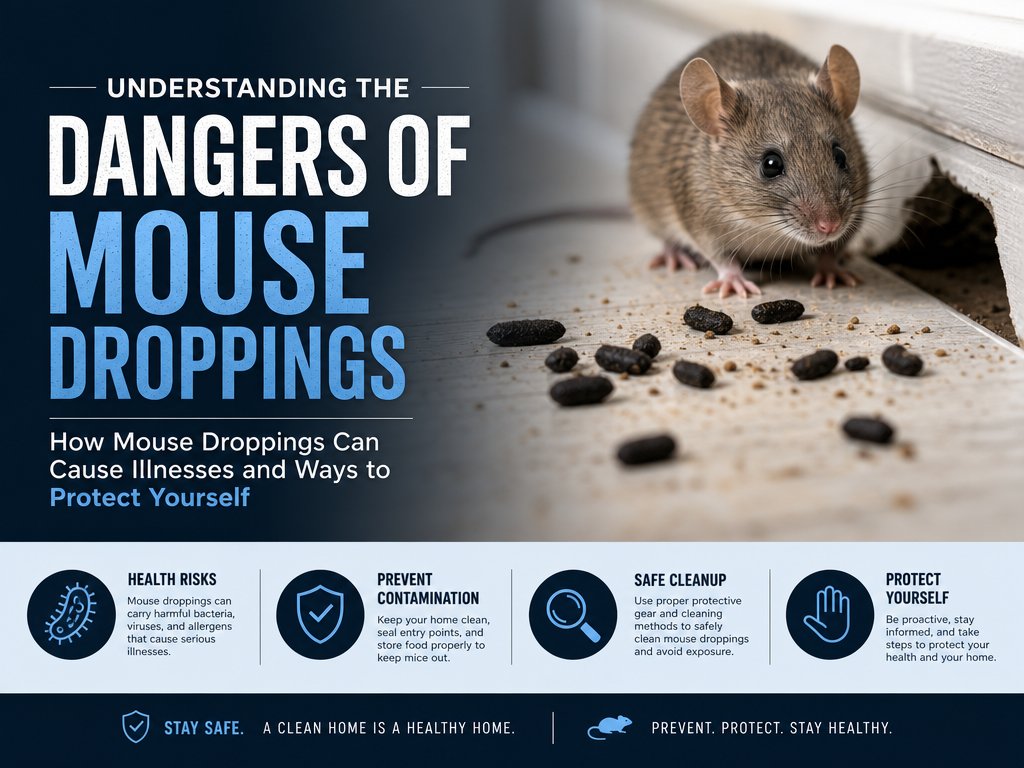
Mouse droppings, which you might encounter in various environments such as homes, vehicles, or workplaces, can pose significant health risks due to their potential to carry harmful bacteria and viruses. When individuals interact with fresh droppings in confined spaces, it increases the likelihood of contracting illnesses. This risk is influenced by both local and broader environmental factors, making awareness and prevention critically important. Additionally, these droppings can contribute to allergens, potentially worsening asthma and allergic reactions in sensitive individuals. It is crucial to address rodent infestations promptly to minimize these health hazards.
Prevalent Diseases Linked to Mouse Droppings
Salmonellosis
This common infection affects millions and can be contracted from coming into contact with mouse droppings. The Salmonella bacteria can survive in droppings for extended periods, thus posing an ongoing health risk to individuals who inadvertently come into contact with them. It emphasizes the necessity of maintaining cleanliness and vigilance in areas where rodent presence is suspected. Food contamination is a significant concern, highlighting the importance of covering food items and ensuring they are stored properly to prevent exposure to these bacteria.
Hantaviruses and Arenaviruses
These viruses are spread by rodents across various continents, leading to severe conditions such as hemorrhagic fever. In places like the United States, hantavirus can cause severe respiratory disease that requires immediate medical attention, given its potential to lead to life-threatening complications without prompt treatment. Early detection plays a crucial role in managing outcomes, underlining the need for awareness of symptoms such as cough, fever, and breathing difficulties in potentially exposed individuals.
Lassa Fever and Omsk Hemorrhagic Fever
Lassa fever, found in West Africa, is transmitted through droppings and urine, with a considerably high fatality rate if not adequately addressed. In other regions, Omsk hemorrhagic fever presents with flu-like symptoms and may lead to severe complications if not properly managed, highlighting the critical nature of swiftly recognizing symptoms associated with exposure. Travelers to endemic areas should take precautions and be aware of symptoms to ensure timely medical intervention if necessary.
Rat-Bite Fever
Though less common, rat-bite fever, which can result from exposure to rodent urine or bites, can severely affect major organs if left untreated. Symptoms appear swiftly after exposure and may include fever, vomiting, rash, and muscle pain. Immediate medical evaluation is advised to mitigate risks to health and ensure timely intervention. Educating those in high-risk professions about rodent handling and potential symptoms can reduce the impact of this disease.
Prevention and Safety Measures
To prevent infestations and reduce associated health risks, seal entry points in your living and working spaces, and ensure that food sources are secured and inaccessible to rodents. Regularly inspect vehicles, storage areas, and structures for signs of rodent activity, and maintain a high standard of cleanliness to discourage rodents from settling and reproducing in these areas. Encourage community awareness programs focusing on rodent control strategies to ensure that entire neighborhoods adopt effective practices.
Safe Cleanup Practices
Ensure proper ventilation before cleaning up droppings, avoiding sweeping or vacuuming without necessary precautions to prevent the spread of airborne contaminants. Protective equipment such as gloves and masks should be used to safeguard personal health. Consider hiring professional pest control services if infestations are severe or if you are uncertain about the proper cleanup procedures. Detailed information on safe cleanup can significantly reduce the number of accidents associated with handling rodent waste improperly, promoting overall safety.
General Hygienic Practices
In addition to targeted cleaning methods, incorporating general hygienic practices into your daily routine can further reduce the risk of exposure to harmful pathogens. Regularly wash hands with soap and water, especially after coming into contact with potentially contaminated surfaces. Educate yourself and your household members on the importance of good hand hygiene, particularly after cleaning shared spaces or disposing of waste. Moreover, using alcohol-based hand sanitizers can be an effective alternative when soap and water are unavailable, thus offering added protection against the spread of infections. Engaging in regular health check-ups can also contribute to the early detection of potential health issues linked to exposure.
When to Seek Medical Attention
If you experience symptoms such as fever, unusual bleeding, or other health anomalies after exposure to rodent droppings, it is crucial to consult a healthcare provider promptly. Early diagnosis and treatment are essential to preventing serious health consequences. Healthcare professionals can conduct tests to identify specific infections and provide appropriate treatment, significantly improving recovery outcomes. Remaining informed about emerging research on rodent-borne diseases can additionally aid in the timely identification of lesser-known symptoms and contribute to better health outcomes.