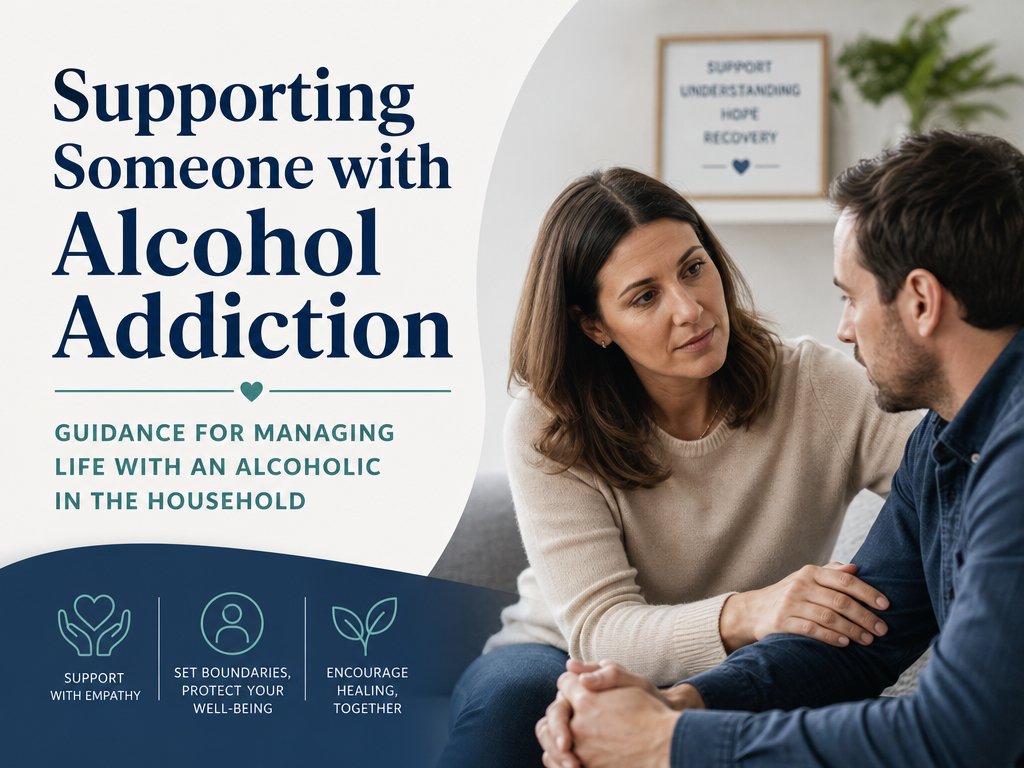
Understanding Alcohol Use Disorder (AUD)
Living with someone who has alcohol use disorder (AUD) is challenging, not only for the person struggling with addiction but also for their families. Recognizing the disorder’s nature and learning coping strategies are key to managing its impact on daily life. It’s important to stay informed and to be aware of the available resources that can assist both the individual with AUD and their loved ones in navigating this difficult journey.
The Complexity of Alcohol Addiction
Alcohol addiction is prevalent due to its legal status, wide availability, and the social acceptance of drinking. Despite awareness of the dangers, individuals with addiction struggle to control their consumption due to the chronic nature of the disease. Because alcohol is a common part of social events and gatherings, it can be particularly challenging for individuals attempting to abstain, often leading to feelings of isolation or peer pressure. Alcohol addiction affects not just the individual’s health but also their relationships and responsibilities, creating a cycle of dependency that can be hard to break without intervention and support.
Emotional and Mental Impact
The mood swings caused by alcohol can lead to unstable and harmful environments. Family members may experience anxiety, depression, and guilt, with children particularly affected by unpredictable behavior. There are also financial stresses linked to managing the household, such as dealing with missed work opportunities or excessive spending on alcohol. It is crucial to acknowledge these emotional impacts and not shy away from seeking psychological support. Therapy can provide coping mechanisms not just for the person with AUD, but also for their family members, who may need help understanding their emotions and creating healthy boundaries.
Dealing with the Consequences
When living with someone with AUD, it’s crucial to safeguard your emotional and physical well-being. Addiction can disrupt daily roles within the family, leading to further tension and stress. Communication often becomes strained, making it vital for family members to express their feelings and put boundaries in place where necessary to maintain a semblance of normalcy and security. Encouraging honest dialogue within the household can help deflate tensions and improve understanding among family members.
Effects on Family Dynamics
Children in households with an addicted parent face unique challenges, including an increased risk of developing behavioral issues and a greater propensity for future substance misuse themselves. The lack of stable routines and the emotional availability of the addicted parent can adversely affect a child’s development and self-esteem. Parents and guardians need to remain vigilant and seek to provide consistent support to mitigate these potential long-term effects. Educational support for children about addiction can empower them to understand the situation better, reducing confusion and stress.
Strategies for Coping
Ensure that the family’s basic needs are met and consider professional assistance if needed. Support groups and therapy, such as talk therapy or play therapy for children, can be invaluable for managing the emotional toll. Counseling can provide a safe space for all family members to express feelings and gain additional coping strategies, helping lift the emotional burden. Learning about healthy ways to manage stress, such as exercise or creative outlets, can also contribute to family members’ mental wellness.
Providing Support
Offer unconditional support to your recovering loved one but recognize that professional help is often essential. Abstain from alcohol yourself and ask your loved one how best to assist them, especially in social settings where alcohol is present. Maintaining open lines of communication can help your loved one feel supported rather than judged, increasing their chances of successfully pursuing recovery. Understand that support may include joining them in developing new, alcohol-free social routines that solidly reinforce their recovery efforts.
The Road to Recovery
Support from friends and family plays a significant role in recovery. Understand that relapses may happen, and recovery is an ongoing process. It’s vital to focus on your own and your family’s safety and health while supporting your loved one. Equip yourself with patience and educate yourself about the complexities of addiction to better support and empathize with their struggles. Celebrate milestones in recovery, no matter how small, to encourage progress and instill hope.
Professional Help and Self-Care
While you cannot cure the addiction, supporting professional treatment is vital. Ensure your family’s safety and seek ways to maintain a healthy environment at home. Attend support groups designed for families and loved ones, such as Al-Anon, which can provide invaluable insights and community support. Remember that taking care of your mental health is not only essential for your well-being but also enables you to remain a steadfast support for your loved one on their road to recovery. Integrate self-care routines into your days, from meditation to hobbies that replenish your mental reserves.