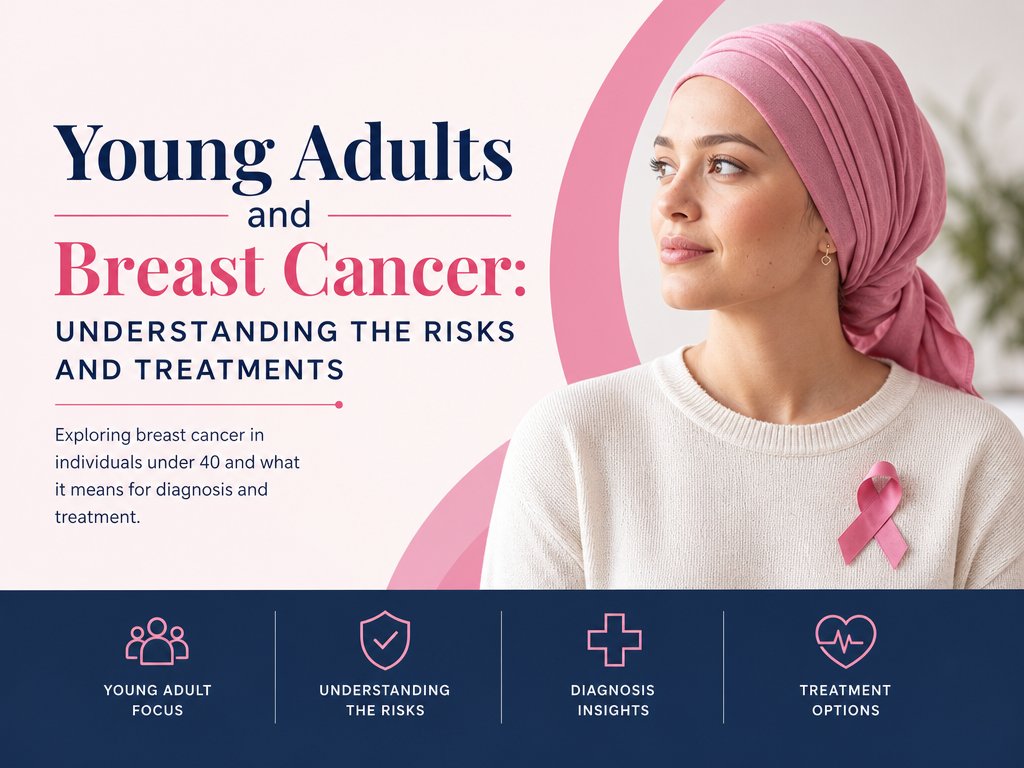
Understanding Breast Cancer in Young Adults
Breast cancer, while predominantly affecting older women, is increasingly seen in individuals younger than 40. These cases are often more aggressive and difficult to treat compared to those in older patients. This article provides comprehensive insights into the incidence, survival rates, and treatment options for young adults diagnosed with breast cancer.
Rising Incidence among Young Adults
Although breast cancer remains less common among younger women, the incidence rate has shown a slight increase. According to recent reports from the American Cancer Society (ACS), breast cancer accounts for a significant proportion of all new cancer cases in women, even in those under 40. This trend highlights the importance of awareness and early intervention. Lifestyle changes and increased exposure to risk factors might contribute to this trend, necessitating ongoing research to fully understand the underlying causes and mechanisms driving this increase among younger populations. Increasing awareness campaigns targeted at younger women intensify the emphasis on self-examinations and professional medical advice when abnormalities are detected.
Survival Rates and Challenges
Data from the National Cancer Institute’s Surveillance, Epidemiology, and End Results (SEER) program shows that approximately 24 out of every 100,000 females aged 15 to 39 were diagnosed with breast cancer in 2019. One of the challenges faced by young adults diagnosed with breast cancer is that the disease is often detected at a more advanced stage. This late detection impacts survival rates and complicates the treatment process, requiring a more intensive and comprehensive approach to management. Moreover, these patients may face unique psychological and social challenges, such as dealing with fertility issues and concerns about long-term health. Understanding the psychological impact, support groups and counseling services become essential to help young patients navigate the pressures associated with a cancer diagnosis.
Factors Increasing Risk
Several factors can increase the risk of young adults developing premenopausal breast cancer. Genetic predispositions play a significant role, with mutations in the BRCA1 and BRCA2 genes markedly elevating the risk of developing breast cancer. Additionally, lifestyle choices, such as diet and physical activity, along with family medical history, are critical factors influencing the likelihood of developing the disease. Other factors that may contribute include early menstruation, late menopause, alcohol consumption, and exposure to ionizing radiation during childhood. Awareness of these risk factors is crucial for prevention and early detection. Proactive health management, including lifestyle modifications and preventive screenings, could significantly mitigate some of these risks.
Treatment Approaches for Young Adults
When it comes to treating breast cancer in young adults, the development of a treatment plan is influenced by multiple variables, including the specific type of cancer, how much it has spread, and the overall health of the individual. The typical treatment regimen can involve a combination of surgery, chemotherapy, radiation therapy, and hormone therapy. In circumstances where cancer has metastasized extensively, surgical options might not be feasible, requiring reliance on other advanced therapies. Additionally, newer targeted therapies and immunotherapies are being explored to provide more personalized treatment options that could improve outcomes for younger patients. The innovation in precision medicine is transforming the landscape of cancer care for younger demographics.
Fertility Considerations
Certain therapeutic interventions for breast cancer are known to affect fertility. Therefore, for young patients interested in preserving fertility, it is advantageous to investigate options such as egg or sperm freezing before the initiation of aggressive cancer treatments. This aspect of cancer treatment underlines the importance of a holistic approach that takes into account the long-term life goals and quality of life of the patient. Physicians often work closely with reproductive specialists to help young women retain their ability to start a family post-treatment. Fertility planning should be integrated into early treatment discussions to ensure a balanced approach to cancer management and life after recovery.
Importance of Genetic Testing
Genetic testing serves as a pivotal tool in understanding individual inherited risks, facilitating tailored screening and prevention strategies. For individuals with a family history of breast or ovarian cancer, genetic testing can guide decisions on preventive treatments and increased surveillance. Making informed decisions based on genetic profiles can significantly influence the outcomes and management of breast cancer risk. As technology advances, genetic testing is becoming more accessible, allowing individuals to make informed decisions about their health proactively. Engaging in genetic counseling sessions may help interpret test results accurately and translate them into actionable health strategies.
Prevention and Early Detection
While complete prevention of breast cancer isn’t possible, adopting healthy lifestyle choices, such as maintaining a balanced diet and regular physical activity, along with routine screenings, are vital components in managing risk. Mammograms are a standard method for early detection of breast cancer, greatly contributing to improved treatment outcomes by catching the disease in its earlier, more treatable stages. Moreover, self-examinations and being attentive to bodily changes can aid in early symptom detection. Regular assessments and consultations with healthcare providers can empower young women to keep track of their breast health effectively.
Guidelines for Screening
Screening guidelines for breast cancer emphasize the need for early and consistent mammography exams for individuals at heightened risk. These guidelines may vary based on personal and family medical history. Consulting with healthcare providers is critical to develop a personalized screening strategy that suits one’s specific risk profile and health condition, thereby enhancing early detection. In some cases, additional imaging tests like MRI may be recommended to provide more detailed insights. It’s beneficial for young women to stay informed about evolving screening protocols and discuss them regularly with their doctors to ensure preventative measures are optimized.
Participating in Clinical Trials
Younger breast cancer patients might consider participating in clinical trials to gain access to innovative treatment options. These trials are designed to explore new and potentially more effective therapeutic approaches. Taking part in clinical trials can offer patients not only the opportunity to receive cutting-edge cancer care but also to contribute to research that could benefit future generations of patients. Participation in such trials may provide access to new drugs and therapies not yet available to the public and contribute to the understanding of cancer in young adults, helping to refine treatment approaches. Being active in clinical research offers invaluable insights into patient outcomes and enriches the collective knowledge base that supports evolving treatment standards.
To conclude, while breast cancer presents significant challenges for those under 40, a thorough understanding of the associated risk factors and awareness of the diverse treatment options can aid significantly in managing this condition effectively. Forming a close partnership with healthcare professionals to develop a personalized management plan is an essential part of navigating a breast cancer diagnosis in young adulthood. Engaging actively in one’s healthcare journey can foster better outcomes and facilitate a more proactive approach to cancer treatment and overall wellbeing. By staying informed and open to new treatment possibilities, young patients can navigate the complexities of this disease more confidently and with greater hope for their future.