Airborne: A Brief Overview
Airborne, a supplement initially marketed as a remedy to prevent the common cold, has evolved considerably over the years. Initially cited as being capable of preventing or even curing colds, this ambitious claim led to substantial controversy and subsequent legal scrutiny. The brand emerged in a market hungry for solutions promising to tackle the everyday annoyance of colds, and its original marketing strategy captured significant consumer attention. Consumers, eager for relief and prevention strategies, were drawn to Airborne’s promise, deeply resonating with its straightforward claims and ease of use.
The Controversy and Legal Action
When launched in 1999, Airborne was promoted akin to a cure-all for the common cold, attracting consumers seeking quick relief. However, a class-action lawsuit in 2007 challenged these assertions, indicating that the company had made false claims. This legal action culminated in a $23.5 million settlement. As a result of the lawsuit, the company agreed to cease advertising Airborne as a cold cure and revised its marketing approach. This settlement marked a turning point, raising awareness about the importance of evidence-backed health claims. It emphasized the need for more stringent scrutiny over health product advertising and shaped future industry practices.
Current Position of Airborne
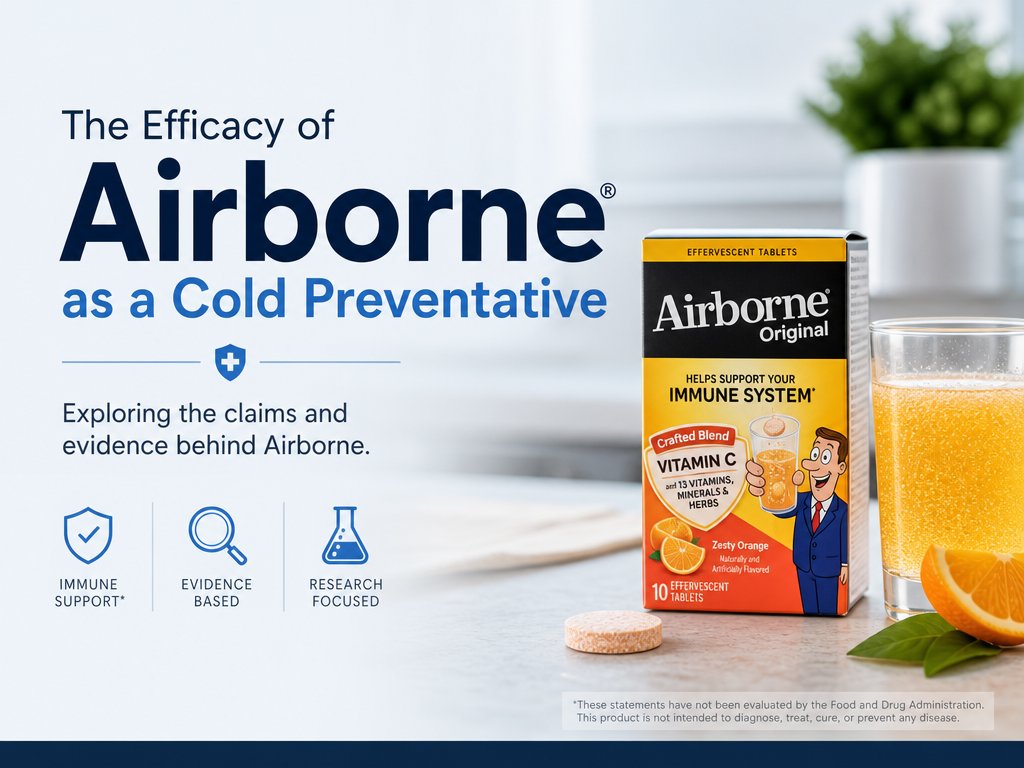
Today, Airborne is marketed as an immune-boosting supplement rather than a definitive cold cure. While it lacks the rigorous research typically associated with approved pharmaceuticals, many continue taking Airborne in the hope that it may help stave off colds. It is found in various consumer-friendly forms, including effervescent tablets, powders, and chewable gummies, catering to diverse consumer preferences looking for convenient ways to support their immune health. Despite the controversy, Airborne has maintained a loyal customer base, with users expressing subjective satisfaction and anecdotal evidence suggesting perceived benefits.
Composition and Alternatives
Airborne contains a blend of ingredients such as vitamins A, C, and E, minerals like zinc, and an herbal blend including echinacea, ginger, and others. These ingredients are popular in alternative medicine circles for their purported immune-supporting properties. Other alternatives in the market, such as homeopathic remedies like Zicam, utilize zinc as a central ingredient but similarly lack in-depth clinical evidence supporting their efficacy. These alternatives highlight the broad spectrum of products available aiming to offer immune support, though they share the common thread of limited scientific substantiation. However, personal preference and individual health philosophies often guide consumer choices more than scientific validation.
The Realities of Cold Prevention
The quest to prevent colds naturally continues with varying approaches and options. Many supplements are said to hold promise, such as garlic, ginseng, and elderberry, but comprehensive and scientifically sound studies confirming their effectiveness in cold prevention remain largely absent. It should be noted that the FDA does not require the same rigorous level of research for dietary supplements as it does for pharmaceuticals, often leaving consumers to navigate a marketplace of claims without full clinical assurance. Consequently, consumers must gauge the validity of health claims independently, often relying on limited data and personal experiences.
Practical Cold Prevention Tips
Ultimately, while boosting the immune system through supplements can be beneficial to some, the most effective methods to prevent illness are practical and accessible lifestyle measures. Regular handwashing, avoiding close contact with individuals displaying cold symptoms, and keeping shared environments clean are straightforward and proven strategies for reducing the spread of common illnesses. Furthermore, staying hydrated, eating a balanced diet, and ensuring sufficient sleep play key roles in maintaining a robust immune system and overall health. Adopting these strategies can significantly mitigate the risk of catching common colds and reinforce the body’s natural defense mechanisms.
Conclusion
While no supplement has been conclusively proven to prevent colds entirely, maintaining good hygiene, practicing healthy lifestyle habits, and taking precautionary health measures remain the best defense against common colds. If taking Airborne or similar supplements has proven beneficial for you personally, it likely does no harm, but it should not be relied upon as the sole method for cold prevention.
Remaining informed about the claims of dietary supplements and incorporating them thoughtfully into a comprehensive approach to health is essential for optimal well-being. Adjunct strategies like these benefit from a balanced view of traditional and supplemental health practices, enhancing overall wellness.