The Role of Eyebrows in Human Anatomy
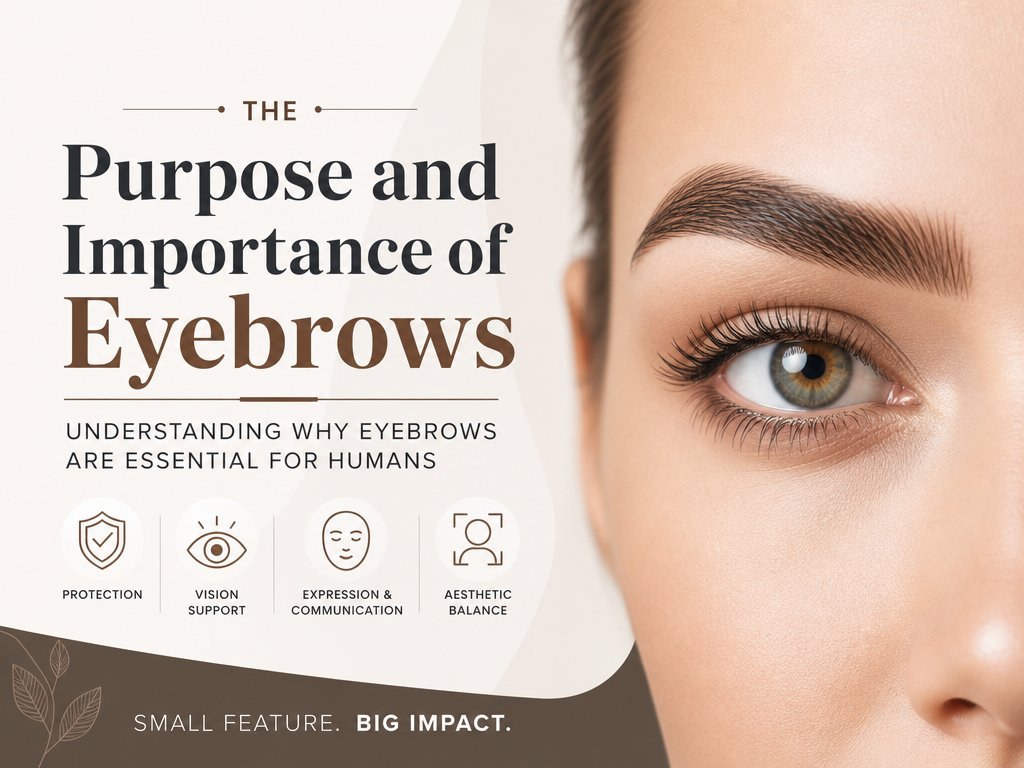
Throughout history, humans have gradually lost most of the hair on their bodies. However, eyebrows have remained, sparking curiosity about their purpose. Experts suggest that eyebrows serve two primary functions: they help protect the eyes from moisture and are crucial for communication.
Physical Protection
Eyebrows play a vital role in maintaining clear vision by directing moisture from sweat or rain away from the eyes. The outward growth of eyebrow hairs helps lead moisture towards the sides of the face. In addition to moisture diversion, eyebrows also shield the eyes from excess light and dirt.
Expression and Communication
Eyebrows are an expressive feature, allowing individuals to convey emotions. A single raised eyebrow can signify skepticism or interest, while both raised eyebrows indicate surprise. They play a significant role in human expression and non-verbal communication.
Eyebrows and Facial Recognition
Eyebrows are crucial for facial recognition. A study from 2003 revealed that people struggled to identify famous faces without eyebrows more than they did without eyes, highlighting the importance of eyebrows in recognizing individuals.
Genetic and Environmental Influence
Eyebrow characteristics, such as shape, color, and thickness, are largely determined by genetics. A 2015 study linked various genes to the traits of eyebrows, including hair texture, shape, and color. Environmental factors, such as grooming habits and injuries, can also influence their appearance.
Inherited Abnormalities
Genetic predispositions can result in eyebrow abnormalities like madarosis, the loss of eyebrow hair. This condition can also affect the eyelashes and is often linked to inherited disorders.