The Rarity of Mint Allergies
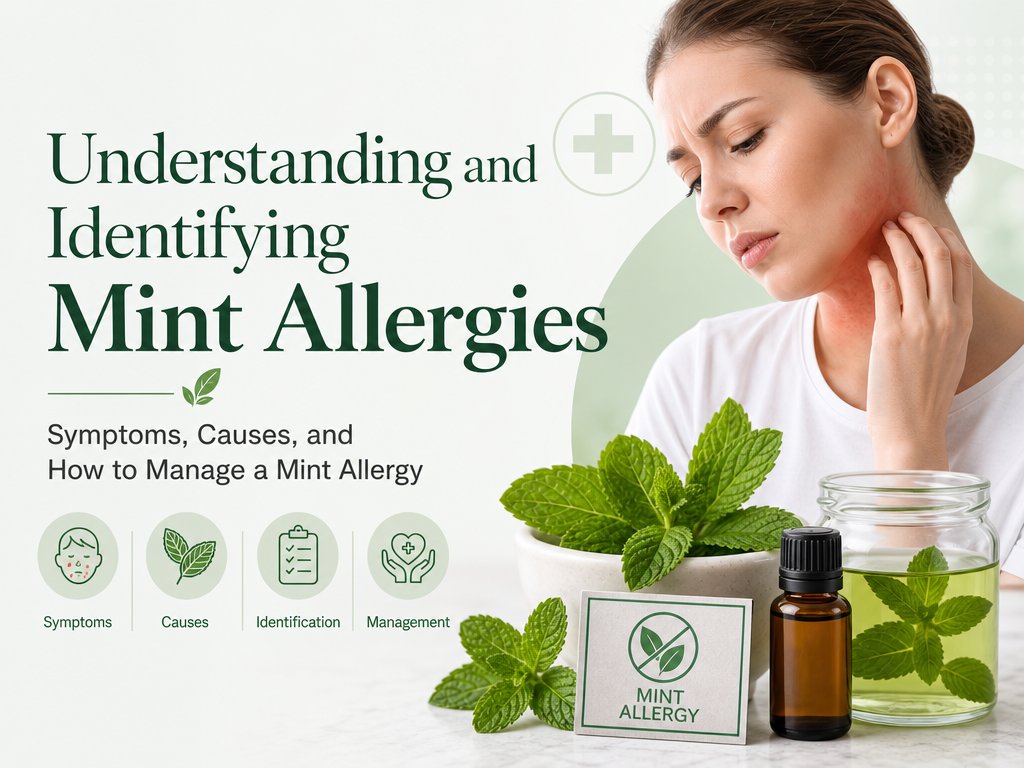
While rare, mint allergies do indeed exist and can vary greatly in their intensity, ranging from mild irritations to severe, potentially life-threatening reactions. Mint encompasses a diverse group of plants including peppermint, spearmint, and wild mint. The essential oils derived from these plants, particularly peppermint oil, are frequently used to add flavor and fragrance to a variety of products such as sweets, drinks, toothpaste, and perfumes. These products, due to their widespread popularity and common usage across various industries, make it significantly more challenging for individuals with this uncommon allergy to avoid exposure entirely, increasing the potential risk for inadvertent contact.
Common Symptoms of Mint Allergies
Consumption of or contact with mint or mint-based substances can trigger symptoms that are quite similar to those experienced in other types of food allergies, such as skin rashes, respiratory issues, or digestive discomfort. Contact dermatitis is one of the most common reactions, developing when mint or mint-based products come into direct contact with the skin, leading to irritation, redness, itching, and other uncomfortable symptoms. In more severe cases, reactions can escalate rapidly to anaphylaxis, a potentially life-threatening condition that requires immediate medical intervention and the possible use of an EpiPen to manage the acute symptoms effectively.
Diagnosing Mint Allergies
Allergists have the ability to confirm suspected mint allergies through a variety of tests and diagnostic procedures. The immune system’s response to mint, which often develops gradually over multiple exposures, typically begins with a process termed sensitization. Sensitization can occur through different modes, such as ingestion, direct skin contact, or even inhaling airborne mint pollens. Documented cases have reported instances of individuals developing allergies following persistent exposure to mint pollen, which underscores the importance of identifying and diagnosing this condition early to manage health risks effectively and maintain a safe lifestyle.
Impact of Persistent Exposure
Research has demonstrated that continuous exposure to mint pollens, such as by maintaining mint plants within a home garden or in close proximity, may significantly increase the likelihood of developing sensitivity to the allergen. This ongoing exposure can eventually lead to the onset of allergic symptoms, which necessitates careful monitoring and prevention strategies for those who are considered at risk. Environmental management and removal of potential sources of allergens are crucial steps for managing such risks effectively.
Avoidance and Management
Given the widespread prevalence of mint in food and various personal care products due to its distinctive flavor and fragrance, managing a mint allergy typically involves a comprehensive approach centered around careful avoidance. Those affected by this allergy need to be particularly vigilant, meticulously reading ingredient labels, since mint might sometimes be used in products yet remains unlisted. Mild allergic reactions can often be managed with over-the-counter antihistamines or topical creams specifically formulated for allergy relief. However, in situations where anaphylactic symptoms present themselves, immediate medical intervention is critical to prevent life-threatening complications and ensure safety.
Helpful Strategies
It’s critical for individuals with severe allergies to always carry an EpiPen and consult their healthcare providers for developing effective strategies to manage potential exposure to allergens. Education and preparation are key in dealing with unexpected exposures, ensuring that those with severe allergies have the right plan and tools in place to safely navigate environments where allergens might be present. Regular consultations with healthcare professionals can help refine these strategies and provide updated advice on the best ways to minimize risks associated with mint allergies. This proactive approach, incorporating both education and preparation, is essential to manage potential allergy triggers effectively and maintain a high quality of life despite the allergy challenges faced.