Understanding the IT Band and Its Function
The iliotibial band (IT Band or ITB) is a robust strip of connective tissue that extends along the outer leg, originating from the hip and running down to the knee and shin. Its primary function is to stabilize the knee during movement and aid in various hip actions, such as rotation, extension, and lateral movements. Despite its importance, the IT band is prone to becoming tight, often due to factors like overuse, repetitive motions, or muscle imbalances. This can lead to feelings of discomfort and tightness in the hip, thigh, and knee regions, often manifesting as pain or irritation during physical activities like running or cycling.
Foam Rolling: To Roll or Not to Roll?
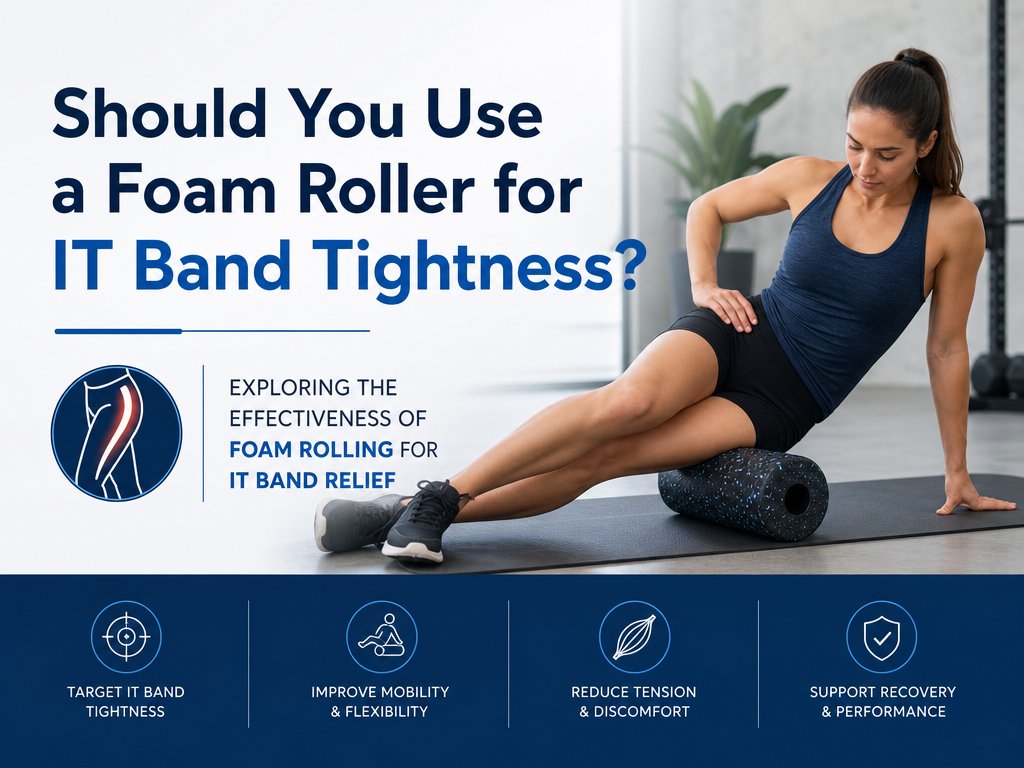
Utilizing foam rollers for relieving IT band tightness is a subject of ongoing debate among fitness enthusiasts and professionals. Although commonly recommended, foam rollers may not always be the optimal solution. Directly rolling the IT band can be less effective than focusing on other muscles that contribute to tension, such as the tensor fasciae latae. It’s particularly important to note that rolling an excessively tight IT band may not only be painful but could potentially be counterproductive if performed incorrectly. Notably, a study conducted in 2010 found that stretching the IT band had minimal impact on its actual length, suggesting that alternative therapeutic strategies might be worth considering for more comprehensive recovery and relief.
Science Insights
Insights from research conducted in 2019 indicate that while foam rolling may not significantly enhance overall performance or accelerate recovery, it does provide temporary improvements in flexibility when used as part of a warm-up routine prior to a workout session. By facilitating a short-term increase in pliability and easing discomfort, foam rolling can assist in preparing the muscles for physical exertion, thus potentially reducing injury risk when combined with other preparatory activities.
Effective Approaches to Alleviate IT Band Tightness
For mild tension within the IT band, foam rolling can serve as a helpful tool, particularly after other muscular regions such as the glutes, hips, quadriceps, hamstrings, and calves have been addressed. Presented below are some crucial tips for using foam rollers more effectively and safely, emphasizing the importance of technique and pressure control to avoid aggravating the affected area.
Treatment Options
Although directly stretching the IT band is challenging due to its durable nature, concentrating on adjacent muscle groups can yield beneficial outcomes. Engaging in exercises designed to enhance the flexibility and strength of hip and leg muscles is crucial. For instance, targeting the quadriceps and hamstrings through specific stretches and strengthening routines can indirectly relieve tension on the IT band by promoting overall muscular balance. To optimize results, it is vital to integrate warm-up and cool-down routines before and after activities. These practices help prepare the body for exercise and aid in recovery afterward, thus reducing the likelihood of injury and promoting muscle health.
Prevention and Long-term Tips
Preventing IT band complications requires a balanced approach to physical activity. It’s essential to avoid excessive exertion during workouts and to combine high-impact exercises with lower-intensity options such as yoga or swimming. These activities not only provide a form of active recovery but also contribute to increasing overall flexibility and muscular endurance. Maintaining a daily stretching routine and proper hydration are key components of an effective prevention strategy, as these habits support tissue elasticity and enhance nutrient delivery to tissues.
Consultation with Professionals
Individuals experiencing persistent, severe, or worsening discomfort are advised to seek guidance from a physical therapist. These professionals can provide customized exercise plans, effectively monitor progress, and educate on proper techniques to use. For severe cases of tightness, foam rolling should only be practiced under the supervision of a qualified professional. This individualized approach is crucial for addressing the specific needs of each person, taking into account their unique physical conditions and lifestyle factors.
In conclusion, effectively managing the underlying causes of IT band tightness through targeted exercises aimed at improving flexibility and strength is essential for alleviation and prevention. Such an approach not only reduces the risk of future issues but also enhances overall mobility and performance. By embracing a holistic view of fitness that includes strategic exercise, professional guidance, and consistent care, individuals can significantly improve their quality of life and pursue their physical goals with greater confidence and reduced risk of injury. Additionally, recognizing the interconnectedness of body and mind in this process highlights the importance of mental well-being alongside physical health.