Introduction to B-12 Deficiency
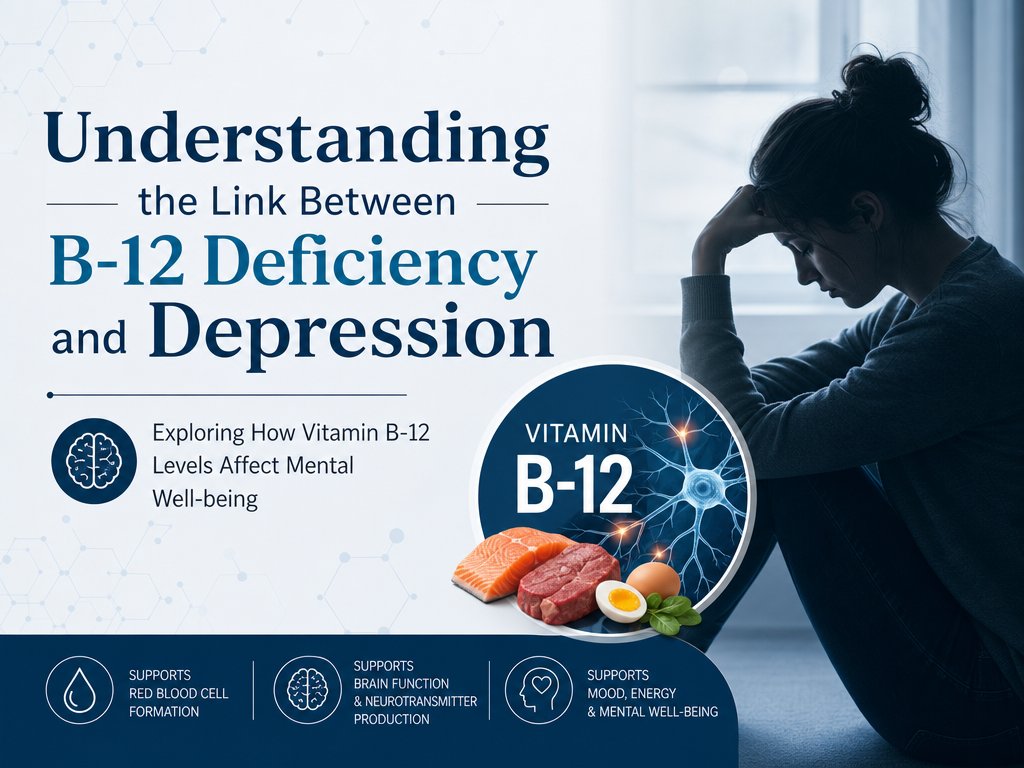
Vitamin B-12, a pivotal component for maintaining both neurological health and overall bodily function, predominantly resides in animal-derived foods like meat, fish, and dairy products. This source dependency often places vegans and vegetarians at an increased risk for B-12 deficiency because of their choice to avoid animal products. However, fortified foods and dietary supplements provide viable alternatives to help satisfy daily requirements. Additionally, gastrointestinal absorption issues may significantly contribute to deficiencies, making monitoring and supplementation important for some individuals. The digestive tract must function properly to facilitate B-12 absorption; conditions such as celiac disease or Crohn’s disease can impair this process and potentially lead to deficiencies.
Impacts on Mental Health
Vitamin B-12’s connection to mental health, particularly depression, involves a complex, not completely understood interaction. Research often reveals a correlation between low B-12 levels and higher rates of depression, but more studies are necessary to fully clarify this relationship. B-12 plays an integral role in serotonin production, a neurotransmitter that influences mood stabilization and emotional regulation. Consequently, understanding B-12’s impact on serotonin function is a vital part of investigating its broader effects on mental health. Observational studies have shown that individuals with B-12 deficiencies might experience more pronounced depressive episodes compared to those with normal levels, further supporting the hypothesis that maintaining adequate B-12 levels is crucial for mental health.
Recognizing Deficiency Symptoms
B-12 deficiency symptoms frequently mirror those of clinical depression, which increases the complexity of achieving a precise diagnosis. Symptoms could encapsulate fatigue, weakness, memory complications, and mood disturbances. Therefore, consulting healthcare providers is essential for confirming deficiencies through blood tests. Post-diagnosis, medical professionals can design a tailored treatment plan addressing both the deficiency and associated mental health issues, ensuring a comprehensive approach to treatment. In some cases, symptoms like numbness or tingling in the hands and feet, balance difficulties, or cognitive impairments may also arise, signaling the need for urgent intervention and treatment to prevent further neurological damage.
Treatment Options
Upon receiving a B-12 deficiency diagnosis, individuals should contemplate making dietary adjustments. Options might involve the consumption of more animal-based or fortified food products, assuming they aren’t following a strict vegan diet. Supplements serve as an alternative, though medical guidance is crucial to avoid possible interactions with other medications and to determine correct dosing. Patients facing absorption difficulties might benefit from B-12 injections, which healthcare providers often recommend as an effective treatment method. These injections can bypass gastrointestinal absorption issues, ensuring that adequate levels of B-12 are delivered directly into the bloodstream.
Holistic Approaches to Depression
Although B-12 supplementation may alleviate certain depression symptoms, it should not be seen as an all-encompassing remedy. Effective treatment plans frequently incorporate a balanced approach that includes psychotherapy, medication, and lifestyle changes for managing depressive disorders. Incorporating dietary improvements, such as increased B-12 consumption, should be a component of a more comprehensive treatment strategy. Partnering with a healthcare professional is imperative to craft a personalized plan that corresponds with unique medical history and needs. Exercise, stress management techniques, and cognitive-behavioral therapies are additional methods that may complement nutritional strategies in alleviating depressive symptoms.
Dietary Advice
For those not adhering to a vegan lifestyle, adding fish, poultry, and eggs to one’s diet can notably boost B-12 consumption. Trying different cooking methods for these foods can enhance their appeal, offering variety in daily meals. Starting each day with fortified breakfast cereals, especially those enriched with B-12, can offer an energy boost and support the maintenance of healthy B-12 levels. For vegans and vegetarians, scrutinizing food labels and selecting enriched plant-based alternatives is vital for preventing potential deficiencies. Additionally, incorporating nutritional yeast and fortified plant-based milks can improve B-12 intake for those following a plant-based diet. Moreover, consulting with nutritionists or dieticians can be helpful in formulating a balanced meal plan that ensures adequate vitamin intake, taking into account individual dietary preferences and restrictions.