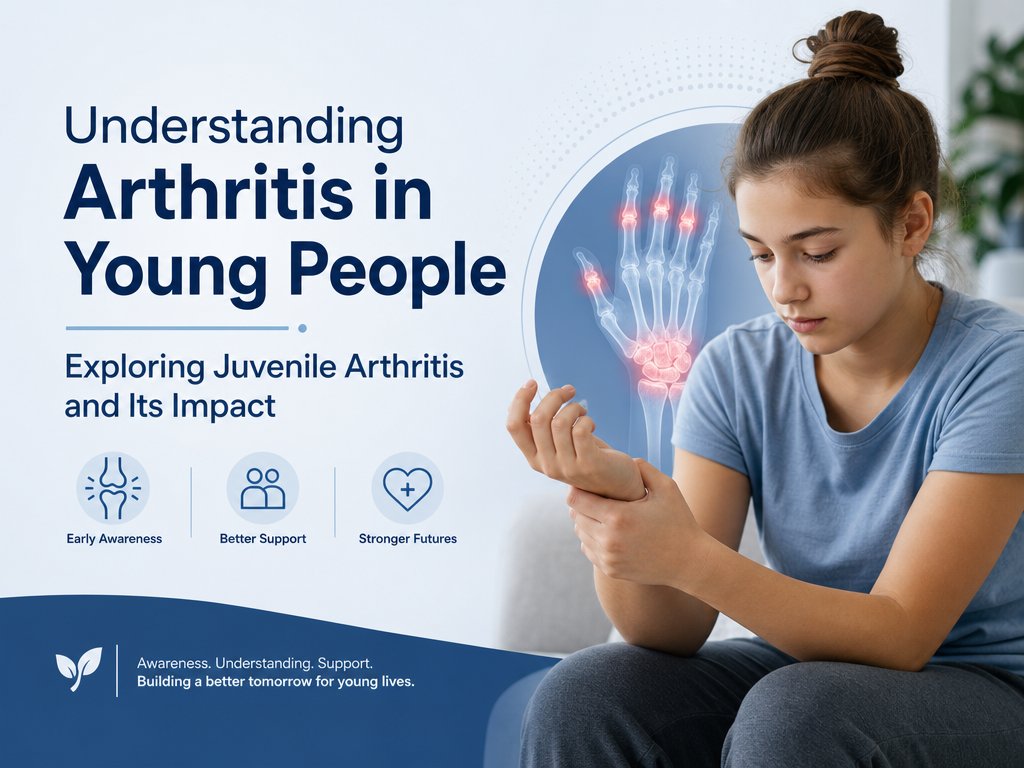
Introduction to Arthritis in Children
Arthritis, often linked to adults, can also impact youngsters, even infants, and teens. This condition in young individuals is known as juvenile idiopathic arthritis (JIA). While less common, understanding its implications on children is critical.
Who is Affected by Juvenile Idiopathic Arthritis?
Juvenile idiopathic arthritis is identified when inflammation persists in one or more joints for at least six weeks in a child under 16. Approximately 1 in 1,000 children have JIA, with numbers varying due to factors like location and studies.
Statistics on JIA Prevalence
The CDC reports that from 2017 to 2021, around 220,000 young individuals under 18 in the U.S. suffered from arthritis. Prevalence was notably higher among those aged 12 to 17, yet it also affected kids younger than six. JIA rates can differ across ethnic and socioeconomic groups, emphasizing ongoing research and awareness.
Symptoms and Diagnosis of JIA
JIA symptoms mirror those of adult arthritis, such as swelling, pain, and stiffness, while specific signs depend on the type of juvenile arthritis. Fatigue and fever are prevalent, and some children might face growth issues or eye inflammation, indicating the need for early diagnosis to reduce long-term effects.
Seeking Professional Help
Observing arthritis signs in a child under 18 necessitates consulting a pediatrician. They can conduct exams and refer to a rheumatologist for further tests, like blood tests, to confirm the condition. Post-diagnosis, a tailored treatment plan can be crafted. Coordination with multiple healthcare providers is essential for comprehensive care.
Managing Juvenile Idiopathic Arthritis
Treatment for JIA often includes medications, physical therapy, regular exercise, and, in rare cases, surgery. A healthcare team of various specialists provides crucial support in managing the condition. A balanced approach with input from pediatricians, rheumatologists, physiotherapists, and mental health professionals ensures the child’s physical and emotional well-being. Regular follow-ups and monitoring are integral to managing the condition.