Introduction to OTC Drugs and Financial Accounts
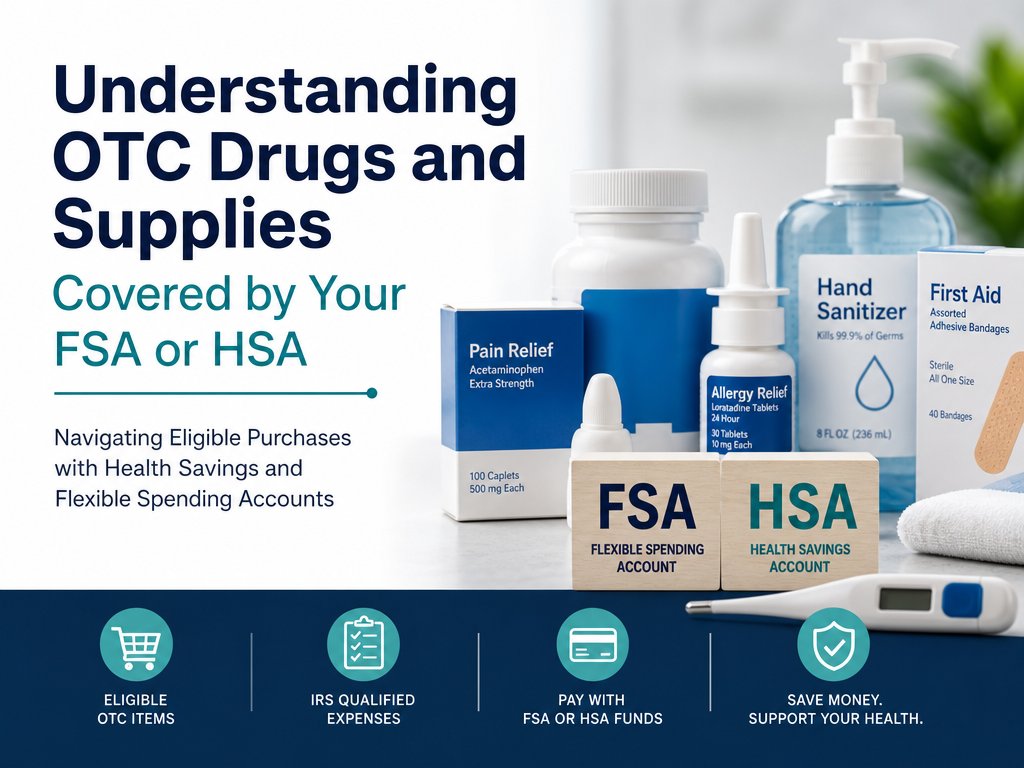
Over-the-counter (OTC) drugs are commonly available medications that do not require a prescription, such as certain allergy, pain, and cough medications. The Coronavirus Aid, Relief, and Economic Security (CARES) Act has broadened the scope of OTC drugs that can be purchased using health savings accounts (HSAs) or flexible spending accounts (FSAs), making healthcare spending more versatile.
Understanding HSAs and FSAs
What is an FSA?
An FSA, or Flexible Spending Account, permits employees to save and use pretax dollars for specific medical expenses, reducing taxable income and potentially lowering overall taxes. Contributions are made with pretax dollars and are capped at a limit set annually by the IRS. Funds in FSAs must typically be spent within the plan year. However, some plans offer a grace period of a few months, or they allow a portion of unused funds to be carried over to the new plan year, giving employees some added flexibility in managing their healthcare finances.
What is an HSA?
Health Savings Accounts (HSAs) function in a similar fashion to FSAs but are exclusive to individuals with high-deductible health plans (HDHPs). Unlike FSAs, HSAs belong to the individual, meaning that the funds in the account remain with the employee, even if they change jobs. The stability and continuity provide peace of mind. Additionally, the balance in an HSA can roll over year to year, making it a valuable tool for building a healthcare fund for future expenses, potentially even into retirement.
Coverage Expansion Under the CARES Act
The Affordable Care Act initially limited OTC medication purchases without a prescription. However, the CARES Act has lifted these restrictions, allowing purchases of common OTC drugs like acetaminophen (Tylenol) and diphenhydramine (Benadryl) with these accounts. This expansion has provided greater flexibility for individuals and families to manage healthcare spending effectively by utilizing tax-advantaged accounts. As a result, people can save money while accessing necessary medications without unnecessary hurdles, ensuring well-being is promptly maintained.
Types of Eligible OTC Drugs and Supplies
Examples of covered OTC items include pain relievers, cold medications, and products for treating acne. FSAs and HSAs may also cover OTC items designed for children, such as Zarbee’s Naturals Cough Syrup, Children’s Tylenol, Mucinex Children’s Cough Mini-Melts, and even items like sunscreen, which are essential for children’s protection. It is essential to always verify whether an OTC product qualifies as eligible before purchase. Checking eligibility ensures that purchases align with account guidelines and are reimbursable, safeguarding financial resources effectively.
Consultation For OTC Coverage
If there are any uncertainties about which OTC products are covered by HSAs or FSAs, it is advisable to consult with a physician or pharmacist. They can provide guidance on eligibility and appropriate use of medications purchased through these accounts. A healthcare provider’s advice is invaluable in ensuring that you use these financial tools correctly, maximizing benefits while avoiding potential issues with coverage.
Disclaimer: This information is intended for educational purposes and should not replace professional healthcare advice. Always consult a healthcare provider for precise medical guidance and information tailored to your specific circumstances.