Introduction
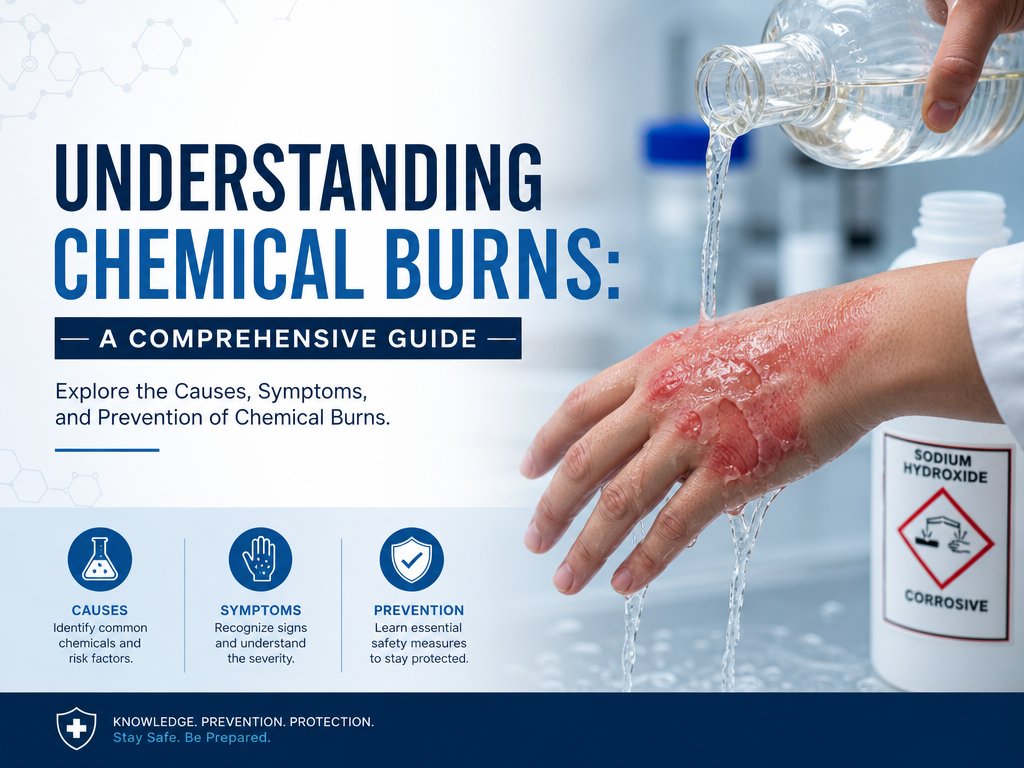
Chemical burns occur when your skin, eyes, or internal organs are exposed to a corrosive chemical. These burns can result from strong acids or bases often found in household cleaners like ammonia or industrial chemicals such as battery acid. Chemical burns are potentially serious if not handled promptly and effectively, which makes it essential to have both the appropriate knowledge and the ability to take swift action to prevent complications.
Immediate Steps and Emergency Care
If a chemical is swallowed, do not induce vomiting; instead, contact a poison control center or seek immediate emergency treatment. Call 911 if the individual exhibits signs such as shock, difficulty in breathing, or unconsciousness. For direct exposure to skin or eyes, remove any contaminated clothing and rinse the affected area thoroughly with copious amounts of water for at least 15 to 20 minutes. This helps in effectively removing the chemical substance from the skin surface, thereby reducing the risk of further tissue damage.
Causes of Chemical Burns
Acids and bases are the major culprits of chemical burns. Chemical burns can occur in various settings such as school, work, or home, often happening through improper handling of chemical substances. Household cleaning agents like bleach and degreasers, or industrial substances like battery acid, pose significant risks, especially when adequate precautions are not taken during their use or storage.
Who is at Risk?
Certain populations, including infants, older adults, and those with disabilities, are typically at higher risk for chemical burns. This increased risk often arises from potential difficulties in safely handling chemicals, understanding labels, or reacting promptly during accidents. Education and supervision become crucial to mitigate these risks, ensuring these groups are better protected.
Symptoms to Watch For
The symptoms of a chemical burn can vary considerably based on the exposure type and severity. Ingesting chemicals causes internal burns, presenting with symptoms such as abdominal pain, difficulty in swallowing, or vomiting. Skin exposure typically results in redness, irritation, or blistering, while eye exposure can lead to severe discomfort, vision changes, or even temporary or permanent vision loss.
Diagnosis and Medical Treatment
Doctors diagnose chemical burns based on symptoms, medical history, and potential chemical exposure. They may conduct various tests, such as blood tests or imaging, to assess the extent of damage. Severe cases often require transfer to a specialized burn unit for dedicated, intensive care to prevent complications like infection, scarring, or long-term disfigurement.
First Aid and Treatment
Immediate first aid involves removing any chemical residues, rinsing thoroughly under flowing water, and covering the area with sterile dressings, if available. Further professional treatment might include medications such as pain relief, topical antibiotics, or surgery in extreme cases. Rehabilitation, including physical therapy, is often necessary, depending on severity, to restore function and mobility to affected areas.
Rehabilitation and Recovery
Recovery is highly dependent on burn severity, with minor burns typically healing faster, often with minimal treatment. Severe burns may require extended treatment, specialized care, and rehabilitation. There is a potential for long-term physical or mental health issues, such as anxiety or depression, that may complicate recovery, necessitating psychological support as part of the recovery plan.
Prevention
Preventive measures include following safety protocols diligently when handling chemicals. Individuals should keep protective gear and emergency contact information handy, particularly when working with hazardous substances. Proper storage and labeling of chemicals can significantly reduce the risk of accidental exposure. It is also beneficial to conduct regular safety audits and training sessions to ensure that everyone in environments with chemicals is aware of risks and knows how to handle emergencies.
Conclusion
While chemical burns can have serious, life-altering consequences, understanding and implementing proper emergency responses and preventive measures significantly enhances recovery and safety. Being informed about the risks, recognizing symptoms promptly, and knowing how to act quickly in an emergency situation is crucial for anyone dealing with potential chemical exposure. Through education, awareness, and proactive risk management, the impact of these injuries can be minimized, fostering a safer environment for individuals across various settings.