What is Exfoliation?
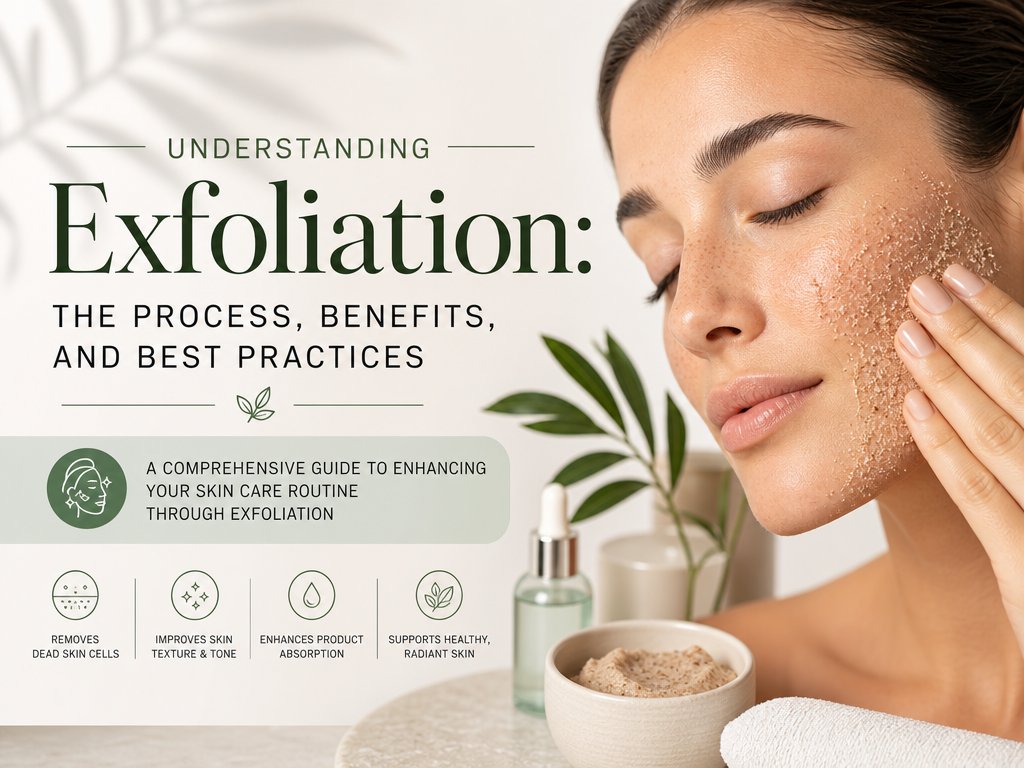
Exfoliation involves the removal of dead skin cells from the surface of your skin using chemicals, granular substances, or specialized tools. While your skin naturally sheds dead skin cells approximately every 30 days to make way for new cells, exfoliation can aid in preventing dry, flaky patches and clogged pores, contributing overall to a clearer and more even complexion. Regularly exfoliating your skin means using various techniques or products designed to effectively remove lingering dead cells and promote the appearance of smoother skin.
Benefits of Exfoliating
Exfoliation can significantly enhance your skin’s overall appearance and health in various ways. According to the American Academy of Dermatology, regular exfoliation can make your skin look brighter, and it also improves the efficacy of topical skincare products by boosting their absorption into the skin. By meticulously removing dead cells from the skin’s surface, regular exfoliation may help in preventing clogged pores, thus reducing the likelihood of breakouts. Furthermore, exfoliation promotes collagen production, which supports vibrant and youthful-looking skin by enhancing elasticity and minimizing the appearance of fine lines and wrinkles over time. Collagen is an essential protein that helps maintain skin firmness, and its presence can be bolstered by regular exfoliation.
Types of Exfoliants
There are different types of exfoliants that you can include in your skincare routine, each suitable for varying skin needs and preferences. Physical exfoliants involve manual scrubbing or rubbing, such as cleansing scrubs, body brushes, or loofahs. These exfoliants can be conveniently used at home. However, it’s essential to use physical exfoliants gently to avoid causing skin irritation and moisture loss. The abrasive particles in physical scrubs can sometimes lead to micro-tears if applied too harshly, so gentle application is always advised.
Various homemade and over-the-counter scrub options exist, with DIY scrubs often utilizing common kitchen staples like sugar or milk. For instance, sugar contains natural acids that facilitate exfoliation, while coffee can provide antioxidant benefits, leaving your skin refreshed and rejuvenated. Utilizing simple ingredients like oats or honey can also enhance your DIY scrub’s exfoliating effect while nourishing the skin. Natural additives such as yogurt or lemon juice can help boost exfoliation by providing additional enzymes and vitamins that help to rejuvenate the skin.
Chemical Exfoliation
Chemical exfoliation employs active ingredients such as hydroxy acids, retinol, and enzymes to renew the skin. These substances work by deeply cleansing the skin, effectively removing dead cells and encouraging the growth of new, healthier, and well-pigmented skin. This method offers a gentler alternative to physical exfoliation as it relies on a chemical process rather than abrasive action.
Alpha Hydroxy Acids (AHAs) and Beta Hydroxy Acids (BHAs) are commonly used chemical exfoliants. AHAs, which are often derived from fruits, work on the skin’s surface, enhancing its texture and brightness. They promote skin cell turnover, allowing fresher skin to emerge. In contrast, BHAs penetrate deeper into the skin to help treat acne and sun damage. Salicylic acid, a widely recognized BHA, works effectively to reduce inflammation and redness associated with acne. Both AHAs and BHAs offer unique benefits, with AHAs generally more suited for dry skin and BHAs for oily or acne-prone skin types. Additionally, enzymatic exfoliants, often derived from fruits, offer another gentle option for exfoliating, particularly suitable for sensitive skin types.
Choosing the Right Exfoliant for Your Skin
Selecting the proper exfoliation method according to your specific skin type is crucial to avoid irritation and achieve optimal results. Ensuring that you choose exfoliants tailored to your skin’s needs can significantly improve your skin’s texture and appearance over time. For instance, those with sensitive skin might prefer gentler chemical exfoliants like lactic acid, whereas individuals with more resilient skin types might benefit from stronger acids or retinoids for a powerful exfoliating effect.
Considerations for Exfoliating
The frequency of exfoliation largely depends on your skin type. For instance, those with oily skin may require more frequent exfoliation to manage excess oil production, while individuals with sensitive or dry skin should limit usage to once or twice a week to prevent irritation. It is important to avoid exfoliating over any cuts, broken skin, or open sores to prevent further irritation. Moreover, be mindful not to exfoliate excessively, as this can strip the skin of its natural oils and lead to dryness or sensitivity.
Professional advice from a dermatologist can be particularly beneficial, especially when dealing with potent chemical exfoliants or if you’re uncertain about which method suits you best. A dermatologist can provide personalized recommendations based on your skin type and concerns to ensure safe and effective exfoliation. They might suggest a combination of products that complement one another for a balanced skincare routine. Consulting a dermatologist is also advisable if you have specific skin concerns such as chronic acne, eczema, or rosacea to tailor the exfoliation process to these unique conditions.
Exfoliation Do’s and Don’ts
When exfoliating, it’s important to follow certain do’s and don’ts to protect your skin. Avoid using body scrubs on the face as facial skin is more delicate and prone to irritation. Similarly, ensure that facial products are used properly to unlock their potential benefits without causing adverse effects. It is advisable to patch-test new products to check for any allergic reactions or sensitivity.
In summary, the choice between DIY, over-the-counter (OTC), or professional exfoliation methods largely hinges on your specific skincare goals and skin conditions. It’s always wise to consult a dermatologist if you’re unsure where to begin or which products and techniques are most suitable for your skin. Regularly revisiting and adapting your exfoliation techniques based on how your skin responds is key to maintaining its health.
Managing and adjusting your exfoliation routine regularly can significantly bolster your skin’s health and appearance, leaving you with a radiant and refreshing glow. Ultimately, by understanding and implementing proper exfoliation practices, you can achieve healthier, more vibrant skin. Beyond improving your skin’s look and feel, proper exfoliation can aid in maintaining the skin’s health and resilience over time, effectively serving as a valuable component of any robust skincare regimen.