Introduction
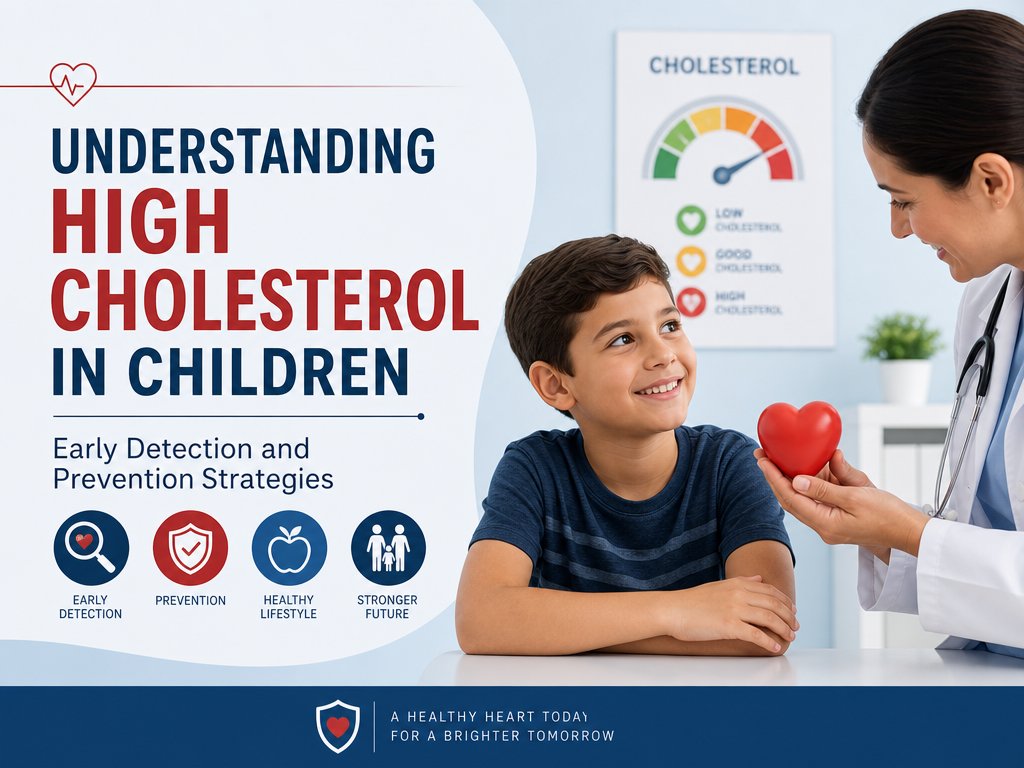
High cholesterol can have lasting effects if not managed promptly, even beginning in childhood. Recognizing and addressing it early is crucial for preventing future complications such as heart disease. Sadly, many are unaware of how detrimental unmonitored cholesterol can be, especially since its impact may not become evident until years later.
Cholesterol and Its Dangers
While high cholesterol is often considered an issue for adults, it can also affect children. Without symptoms, it silently contributes to the buildup of artery-clogging plaque, which can lead to heart attacks or strokes later in life. The silent nature of this condition makes early intervention essential, as cholesterol plays a major role in cardiovascular health.
Risk Factors
Both environmental and genetic factors contribute to high cholesterol in children. Poor dietary habits and lack of exercise, as well as inherited risks from family medical history, increase the likelihood of developing high cholesterol. For instance, fast food consumption and sedentary lifestyles are considerably impactful, potentially accelerating cholesterol increase. Additionally, early exposure to unhealthy dietary patterns may influence long-term eating habits, highlighting the need for parental guidance in promoting healthier choices.
Health Conditions and Medications
Certain underlying health conditions and medications, such as corticosteroids or specific acne treatments like Isotretinoin, can elevate cholesterol levels in younger individuals. It’s crucial to understand that managing pre-existing conditions proactively can help in controlling cholesterol levels. Regular medical evaluations and consultations with healthcare providers are advised for children taking such medications. A collaborative approach between healthcare professionals and families ensures that comprehensive care is tailored to the child’s individual needs.
Diagnosis and Levels
A lipid panel is the primary diagnostic tool to determine cholesterol levels in children. Screening is recommended by the National Heart, Lung, and Blood Institute between ages 9-11 and again at 17-21. Early and periodic tests can help detect abnormal cholesterol levels in time for preventative strategies.
Screening and Evaluation
Cholesterol levels are categorized into acceptable, borderline, and high ranges, with early interventions tailored according to these results. The presence of other risk factors, such as hypertension or obesity, can influence how these results are interpreted, stressing the importance of a comprehensive evaluation. Regular follow-ups ensure that any necessary changes in lifestyle or medication are timely and effective.
Preventive Measures
Encouraging a balanced diet and regular physical activity from a young age can significantly reduce high cholesterol risks. Foods low in saturated and trans fats and rich in fruits, vegetables, and fiber are recommended. Education about nutrition is vital, including learning to read food labels and understanding the benefits of healthy meal planning. Schools can implement educational programs that teach children the importance of balanced nutrition and empower them to make healthier food choices independently.
Physical Activity
Children should engage in at least 60 minutes of moderate activity daily, examples of which include playing sports or even brisk walking. Incorporating a variety of activities not only helps in managing cholesterol but also promotes overall physical and mental well-being. Schools and community programs play a pivotal role in providing access to these activities, offering structured and safe environments where children can enjoy physical exercises with their peers, enhancing social interaction and teamwork skills.
Family Role and Lifestyle
Family lifestyle changes are also essential. Parents can support their child by fostering healthy habits and setting an example with dietary and physical routines. Consistent family meals, with input from children, can encourage healthier eating. Additionally, regular family physical activities strengthen relationships and instill lasting healthy habits. The involvement of family members in a child’s health journey not only improves outcomes but also ensures that children feel supported and understood in their efforts to adopt healthier habits.
Conclusion
By understanding and managing cholesterol levels through diet, activity, and appropriate medical interventions, children can have better heart health long-term. Early diagnosis and consistent care are vital in preventing adverse outcomes as they grow older. The involvement of schools, healthcare professionals, and families collectively shapes a supportive environment that prioritizes children’s health and sets the foundation for lifelong well-being. Being proactive rather than reactive ensures that children grow up with a reduced risk of heart disease and related health issues, making preventive measures a key aspect of pediatric health care. Through ongoing education, supportive systems, and community involvement, we can create a culture of health consciousness that empowers children to take charge of their well-being throughout their lives. This collective effort ensures that they not only learn about the importance of good health but also put it into practice daily, fostering a future generation that values and maintains a healthy lifestyle from childhood into adulthood.