Introduction to Small Cell Lung Cancer (SCLC)
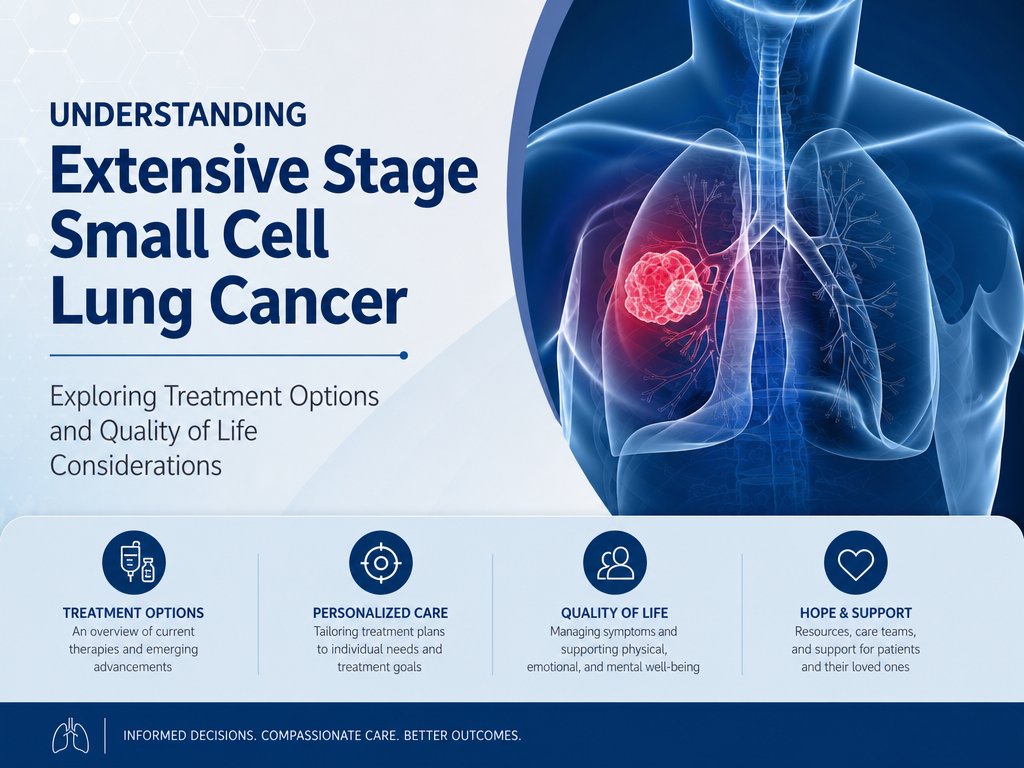
Small cell lung cancer (SCLC) is a fast-growing form of lung cancer, distinctly categorized into two primary stages: limited and extensive. In the extensive stage, the cancer has metastasized, meaning it has spread significantly beyond the original tumor to other parts of the body, such as the liver, bones, or brain. Despite the unfortunate reality that there is currently no cure for extensive stage SCLC, available treatments can play a crucial role in slowing down the cancer’s progression and improving the patient’s quality of life by alleviating symptoms and extending survival. These treatments are essential in managing the disease’s impact and offering patients a better prognosis through comprehensive care strategies.
Diagnosing Extensive Stage SCLC
Doctors diagnose extensive stage SCLC when the cancer has metastasized to distant organs or lymph nodes. At the moment of diagnosis, approximately two-thirds of patients with SCLC have already reached this extensive stage. This statistic highlights the aggressive nature of the disease and underscores the importance of early detection, although achieving early diagnosis can be challenging. Treatment decisions for patients depend not only on the stage of the cancer but also on various factors, including the patient’s age, overall health status, and personal quality of life preferences. The goals of care—such as prolonging survival or focusing on comfort and palliation—are also significant considerations in tailoring a personalized treatment approach. This customized plan is central to effectively addressing each patient’s unique needs and circumstances.
Treatment Options for Extensive Stage SCLC
Chemotherapy
The primary treatment for extensive stage SCLC is chemotherapy, as it systematically targets and destroys cancer cells throughout the body. Chemotherapy remains the cornerstone of treatment due to the fact that SCLC is particularly sensitive to such medications. Typical chemotherapy regimens involve a combination of drugs, such as etoposide with either cisplatin or carboplatin, possibly supplemented by the addition of immunotherapy medications like atezolizumab. This integrative approach can effectively reduce tumor size and help slow disease progression, consequently aiding in symptom relief and quality of life improvement. It allows patients to experience better management of the condition, thereby increasing their overall treatment satisfaction.
Radiation Therapy
Radiation therapy may be employed selectively in cases where chemotherapy yields positive results, targeting specific areas affected by cancer to control symptoms or prevent complications. For instance, if tumors are causing pain or obstructing organs, focused radiation can be beneficial. Additionally, prophylactic cranial irradiation, which is the application of preventive radiation to the brain, may be recommended given that the brain is a common sanctuary site for SCLC metastasis. This preventive measure aims to restrict potential tumor spread there, thereby minimizing complications and offering patients a critical advantage in disease management.
Additional Treatment Considerations
Cancer in the lungs is likely to cause serious complications, such as bleeding, breathing difficulties, or obstructions. In scenarios where chemotherapy and radiation are insufficient, other interventions, including surgical options, might be suggested to alleviate severe symptoms and potentially prolong life. Due to the aggressive nature of SCLC, patients might also consider enrolling in clinical trials for emerging therapies, which offer access to the latest treatments that might not yet be widely available but can provide new hopes for better management and outcomes. Exploring these advanced treatment options may offer additional avenues for improved disease control and patient support.
Supportive and Palliative Care
Supportive care, often referred to as palliative care, plays a significant role in the management of extensive stage SCLC. It focuses on symptom management to maintain the best possible quality of life for the patient. This type of care can include pain management, easing breathing issues, and providing nutritional counseling, facilitating a more balanced life amidst treatment challenges. Even in cases where active cancer treatments become unsuitable or ineffective, ongoing palliative care can make a meaningful contribution to patient well-being, emphasizing comfort and dignity. This support is crucial from the initial diagnosis throughout the cancer journey, ensuring that the patient’s experience is as positive and controlled as possible.
Coping with Extensive Stage SCLC
Receiving a diagnosis of extensive stage SCLC can be an overwhelming experience not just for patients, but for their families as well. Engaging with psychological support, such as individual or family therapy, as well as joining support groups, can provide emotional relief and shared experiences. Encouraging patients to engage in enjoyable activities and emphasizing the importance of focusing on quality of life are essential aspects of living with SCLC, offering motivation and positivity amidst challenges. Simplifying day-to-day tasks and mobilizing help from family and friends can also ease the journey, providing a network of support that reinforces emotional and practical resilience. These measures collectively help in building a more manageable and fulfilling life for the patient.
Conclusion
Extensive stage SCLC is characterized by a cancer that has metastasized beyond the initial tumor site to other parts of the body, marking a stage where management rather than cure becomes the central focus. Although this stage is considered incurable, various treatments are available that can significantly enhance life quality and manage the symptoms associated with the disease. Patients, along with their healthcare providers, should collaborate closely to tailor a comprehensive treatment plan that is based on the individual’s specific diagnosis, overall health status, personal preferences, and life goals, defining an approach that aligns with their unique needs and circumstances. By doing so, they can ensure that the patient’s journey through cancer is managed with empathy, expertise, and attention to personalized care details, ultimately creating an environment conducive to achieving the best possible outcomes.