Introduction to Schizophrenia
Schizophrenia is a complex and challenging mental health disorder that significantly alters an individual’s perceptions, often resulting in psychosis. It affects about 1% of the global adult population. The primary symptoms associated with schizophrenia include hallucinations, delusions, disorganized thinking, and negative symptoms such as a reduced ability to function normally. These symptoms can greatly impair an individual’s ability to work, maintain relationships, and manage daily activities. Consequently, schizophrenia is considered a disabling condition that necessitates comprehensive treatment and support for those affected, aiming to enhance their quality of life.
Gender Differences in Schizophrenia
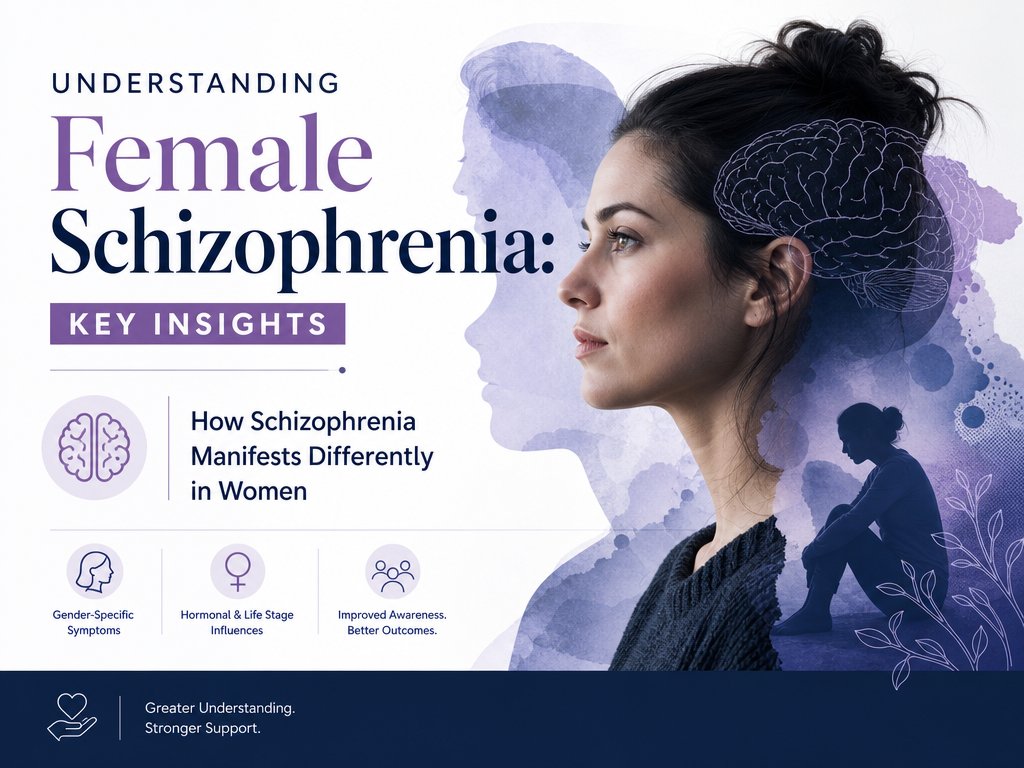
Schizophrenia impacts both men and women, although studies suggest it is slightly more prevalent in men. Current estimates from 2022 indicate a gender ratio of 1.4 men for every woman diagnosed with schizophrenia. Understanding these differences is crucial for informing targeted approaches to treatment and support. Differences in symptom presentation help in the development of gender-sensitive interventions that consider the unique needs of each gender. Men may exhibit more severe symptoms overall, whereas women might present a different symptomatology pattern, influencing the strategy for treatment and management.
Diagnostic Criteria
The standardized criteria for diagnosing schizophrenia are defined in the Diagnostic and Statistical Manual of Mental Disorders, 5th edition, text revision (DSM-5-TR). According to the DSM-5-TR, a diagnosis of schizophrenia requires the presence of two or more key symptoms for at least one month, with at least one symptom being hallucinations, delusions, or disorganized thinking. Furthermore, there must be a significant disturbance in major areas of functioning, such as occupational performance, interpersonal relationships, or self-care, persisting for a considerable period.
Symptoms in Women
Women diagnosed with schizophrenia often exhibit affective symptoms, including mood instability and a higher susceptibility to depressive episodes. They may also experience more prominent sensory hallucinations and persecutory delusions than men. Additionally, the duration of active episodes tends to be shorter in women, who generally retain stronger social and cognitive functions despite challenges. This suggests that women, while affected by the disorder, may manage social interactions and daily responsibilities more effectively compared to their male counterparts, influencing treatment outcomes positively.
Age and Onset
Generally, women tend to develop schizophrenia between their mid-20s and early 30s, a slightly later onset compared to men. Notably, there is a significant second onset peak for women after the age of 45, which has been linked to hormonal changes occurring during menopause. This later onset suggests that early predictors and symptom profiles might differ between genders, highlighting the need for a nuanced understanding of onset characteristics for accurate diagnosis and timely intervention approaches.
Hormonal Influence
Research indicates that estrogens may play a protective role against psychosis symptoms in schizophrenia. As women age and experience a decline in estrogen levels, particularly during menopause, their risk of developing schizophrenia increases. Contributing factors such as social isolation and impactful life events can further heighten the susceptibility. Understanding hormonal influences enhances the potential for personalized treatments and the integration of hormone-based therapies as viable preventive strategies.
Treatment and Outcomes
Overall, women tend to have more favorable treatment outcomes in schizophrenia management. This positive prognosis is attributed to shorter periods of active symptoms and better adherence to treatment protocols. Estrogens have been noted to enhance the efficacy of antipsychotic medications, often enabling women to achieve successful therapeutic results with lower medication dosages.
Women’s relatively better retention of social and cognitive functions, notwithstanding the disorder’s presence, allows for more successful patient-led management of their condition. Supportive therapy that incorporates an understanding of gender-specific symptoms and responses can further enhance outcomes, ensuring that women with schizophrenia receive comprehensive care personalized to their specific needs. Therapeutic approaches such as cognitive-behavioral therapy, social skills training, and community-based support can strengthen individual resilience and coping strategies for a well-rounded treatment regimen.
Conclusion
Recognizing gender differences in schizophrenia is crucial for precise diagnosis and effective treatment. Although women may be diagnosed later in life compared to men, they often maintain better social and cognitive functions and show a more positive response to treatment interventions. This typically leads to less reliance on medication and a more favorable prognosis overall. By acknowledging these distinct variations between genders, mental health professionals can provide better support to women with schizophrenia, enabling them to lead healthier, more fulfilled lives. Furthermore, ongoing research into gender differences in mental health will facilitate advancements in personalized treatment strategies for all individuals living with schizophrenia. Uncovering the intricacies of how gender impacts the disorder through continued studies will offer insights transforming therapeutic outcomes and enhancing the quality of life for affected individuals worldwide.