Understanding Gym Anxiety
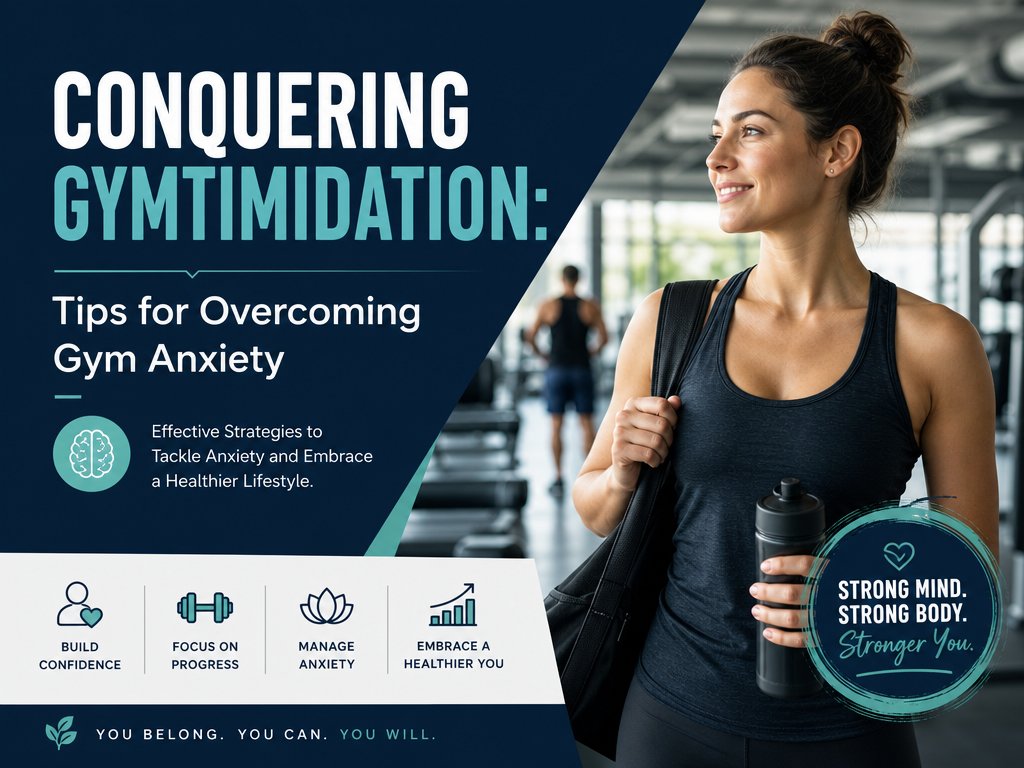
Gym anxiety, often referred to as “gymtimidation,” is a sensation where individuals feel uneasy or intimidated about working out in a gym environment. This common phenomenon can affect many people at different points in their fitness journey. Recognizing specific triggers and learning strategies on how to manage these feelings can be crucial in overcoming such anxiety and fostering a healthier relationship with fitness environments.
Common Triggers of Gym Anxiety
For newcomers to gyms or those returning after a prolonged absence, entering a fitness venue can provoke situational anxiety due to unfamiliarity with the surroundings. The experience may be similar when switching to a new gym location, navigating unfamiliar layouts, or using new and unfamiliar equipment, all of which can trigger varying degrees of anxiety. Additionally, using public locker rooms or trying new exercises in front of others can heighten discomfort and self-consciousness, making the experience more challenging than initially expected.
Internal Factors
Internal factors, such as low self-esteem and fear of judgment from others, often accompany gym anxiety. Concerns about one’s appearance, fitness level, or skill set can exacerbate feelings of inadequacy, making it challenging to engage in workouts confidently. This internal dialogue often reinforces the sense of vulnerability and can deter individuals from pursuing their fitness goals within a gym setting.
Strategies to Overcome Gymtimidation
To combat gym anxiety, start by familiarizing yourself with the facility’s environment. Researching the gym’s available amenities beforehand and arranging a guided tour can significantly boost your confidence. Setting small, manageable goals, like spending a brief amount of time on a cardio machine or engaging in simple stretching exercises, can help you gradually ease into a regular fitness routine while building familiarity with the gym’s setting and community.
Working with a personal trainer provides both guidance and increased confidence. They can teach you proper exercise techniques, assist with equipment usage, and help design a personalized workout regimen tailored to your comfort and fitness level. This personalized approach ensures that workouts are well within your capacity while gently challenging you to progress at a comfortable pace.
Exercising with a friend or attending group fitness classes can significantly alleviate feelings of isolation and uncertainty. The community environment can enhance your comfort levels and boost mental health by providing social interactions and emotional support. Group activities offer a fun and engaging way to meet others who share similar pursuits, further diminishing the feelings of intimidation.
Progress Tracking and Rewards
Tracking your progress, whether it’s the weights you lift, the reps you perform, or the duration of your workouts, can offer a tangible sense of accomplishment. Celebrating these achievements, no matter how small they may seem, can motivate continued engagement and help lessen mental barriers over time. Keep a journal or use fitness apps to record milestones, as these visual accounts of progress serve as powerful reminders of how far you have come in your fitness journey.
Alternative Approaches to Fitness
If anxiety persists, consider exploring alternative physical activities outside the traditional gym setting. Utilizing fitness apps or online resources can provide guided at-home workouts that allow you to exercise in the privacy of your own space. Engaging in outdoor activities, such as walking, running, hiking, or participating in sports, can be enjoyable alternatives to maintaining an active lifestyle. These approaches cater to diverse fitness preferences, helping reduce psychological pressure while still promoting physical health.
If you find more comfort in a more tranquil, quieter, and inclusive gym setting, switching to a facility that aligns with these preferences might prove beneficial in managing anxiety. Exploring community centers or boutique fitness studios caters to those seeking a more intimate workout environment, allowing for personal growth without the pressures of larger gym atmospheres.
Habitual Mindset and Positive Self-talk
Building a positive mindset by actively reframing negative self-talk is crucial for reducing gym anxiety. Changing self-defeating thoughts such as “I am being judged” to more realistic ones like “everyone here is focused on their own workout” can radically shift your perspective. Over time, these constructive mental habits can foster resilience, self-confidence, and motivation. Consistently practicing self-compassion and understanding that everyone encounters challenges in their fitness journey can lead to more positive experiences and a stronger mental outlook.
Understanding When to Seek Support
If gym anxiety begins to impact your daily life activities or overall well-being, seeking professional guidance from a therapist can be highly beneficial. Therapy can provide vital strategies and insights for managing anxiety more effectively and improving overall mental health. It’s important to recognize that asking for help is a strength, not a weakness, and mental health professionals can guide you toward finding personalized coping strategies.
It’s important to remember that everyone was once a beginner, and the most critical aspect of this journey is focusing on your personal health and fitness progress rather than comparing yourself to others. Embrace environments that make you feel at ease as you work toward a healthier lifestyle, free from the burden of comparison or pressure. Additionally, consider joining supportive online communities where individuals share experiences and tips on overcoming gym anxiety. This can further enhance motivation and provide a sense of camaraderie among those who have faced similar hurdles. Building these connections can lead to a more enriched fitness experience and a sustainable, fulfilling approach to health and wellness.
OUR BRANDS