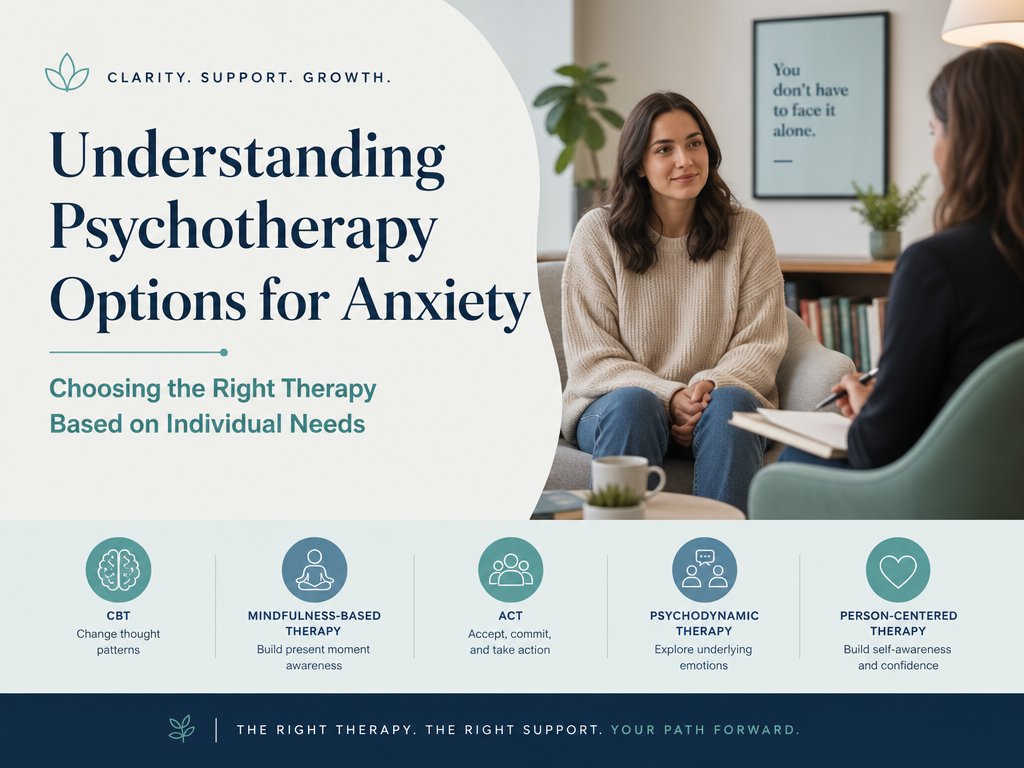
Exploring Different Psychotherapy Methods
Psychotherapy involves engaging with a mental health professional to better cope with behaviors, thoughts, and emotions impacting mental health. Through various theoretical frameworks, professionals aim to assist patients in addressing harmful thought patterns and unconscious beliefs that may hinder their mental well-being. The ultimate goal is to foster self-improvement and understanding, promoting mental health stability and resilience. Implementing these therapeutic practices not only enhances personal growth but also equips individuals with the necessary tools to handle life’s stressors more effectively, ultimately leading to a greater sense of well-being and contentment.
Effectiveness in Treating Anxiety
Psychotherapy proves highly effective in treating psychiatric disorders like anxiety, offering an array of approaches that are specifically tailored to individual needs and preferences. Each person’s mental health experience is unique, so no single therapy is a universal solution for managing anxiety. Instead, multiple methods exist to ensure that treatment is as personalized and effective as possible, catering to the diverse nature of human experiences. These therapies not only address symptoms but also work towards reshaping the underlying cognitive processes and emotional responses that contribute to the anxiety’s persistence.
Cognitive Behavioral Therapy (CBT)
CBT stands as the most prevalent evidence-based therapy for anxiety, aiding patients by altering their unrealistic beliefs through a blend of cognitive and behavioral strategies. Numerous clinical studies have documented its efficacy in treating various kinds of anxiety disorders, proving its benefit in promoting healthier thought patterns, thereby reducing anxiety symptoms. It encourages patients to identify and reframe destructive thought patterns, replacing them with more realistic and positive perceptions. By systematically teaching effective coping mechanisms, CBT fosters a more adaptive response to anxiety-provoking situations.
Acceptance and Commitment Therapy (ACT)
ACT focuses on encouraging individuals to embrace painful or distressing thoughts and feelings as a natural aspect of human existence. This method uses mindfulness techniques to help build psychological flexibility, allowing patients to adapt more readily to life’s challenges. Often, ACT is combined with other therapeutic approaches to provide a more comprehensive treatment strategy. By emphasizing acceptance, patients learn to reduce the struggle against their internal experiences, which can lead to a significant reduction in anxiety. Embracing a new perspective on challenging emotions enables individuals to focus on achieving meaningful life goals, notwithstanding the presence of anxiety or distress.
Exposure Therapy
A specialized subtype of CBT, exposure therapy aids patients in managing anxiety by enabling them to gradually and systematically confront their fears within a supportive environment. By doing so, it significantly reduces avoidant behaviors and helps diminish the intensity of anxiety responses. The process involves repeated exposure to feared situations or objects, helping patients build confidence and manage their anxiety more effectively over time. Exposure therapy is particularly effective in treating phobias and obsessive-compulsive disorder, where avoidance behavior perpetuates the cycle of anxiety.
Mindfulness-Based Cognitive Therapy (MBCT)
MBCT helps individuals manage anxiety-inducing thoughts by combining mindfulness meditation practices with established CBT techniques, fostering a more reflective and less reactive mental state. While MBCT is typically conducted in group settings, it remains adaptable to individual therapy sessions, allowing for personalized intervention. This approach encourages patients to become aware of their thoughts in a non-judgmental manner, which can mitigate the automatic negative patterns that contribute to anxiety. By developing a greater awareness of the present moment, individuals can respond to stress with improved clarity and reduced reactivity.
Psychodynamic Therapy
This therapy delves into exploring the unconscious forces that influence thoughts and behaviors, assisting individuals in resolving internal conflicts and making healthier, more informed decisions. Through the exploration of past experiences, psychodynamic therapy aims to bring about deeper insight and long-lasting emotional change. By understanding the source of their anxiety, patients can begin to develop healthier coping mechanisms and emotional responses. This increased self-awareness facilitates meaningful change and promotes a more balanced emotional outlook.
Dialectical Behavior Therapy (DBT)
DBT is a multifaceted therapeutic approach that combines individual therapy sessions with group training. It focuses on enhancing emotional regulation, improving relationship skills, and fostering problem-solving abilities. DBT is particularly helpful for individuals experiencing intense emotional reactions and challenges in interpersonal relationships. This approach emphasizes the balance between acceptance and change, providing strategies for managing emotions and improving relationships. By blending cognitive-behavioral techniques with mindfulness principles, DBT equips individuals with practical tools to navigate emotional distress more effectively.
Interpersonal Psychotherapy (IPT)
IPT emphasizes the importance of relationships and seeks to address anxiety that is closely linked to social interactions. By enhancing communication and relationship skills, IPT offers individuals the tools to improve their social connections and, consequently, their mental health. This approach recognizes that interpersonal problems can significantly contribute to anxiety and helps patients develop healthier ways of relating to others. Building stronger, more supportive relationships can serve as an anchor, providing emotional support and stability during stressful times.
Choosing the Best Therapy for You
Selecting the most appropriate form of psychotherapy involves considering a multitude of personal factors, alongside the understanding that therapists often integrate multiple approaches into their treatment plans. Consultation with knowledgeable mental health professionals can guide you in finding the therapy that aligns with your specific needs and goals. The process of choosing a therapy should be collaborative, taking into account the unique characteristics of your situation and preferences. Trust and mutual respect between patient and therapist are critical components of an effective therapeutic partnership.
Since establishing a therapeutic alliance with a compatible therapist is crucial, some degree of experimentation might be necessary to find the right fit. However, engaging in therapy remains invaluable in addressing anxiety through the development of improved coping skills and emotional resilience, empowering individuals to navigate life’s challenges with increased confidence and insight. The journey through therapy can be transformative, offering new perspectives and tools for dealing with adversity, ultimately leading to a more balanced, fulfilling life. As you embark on this path, remember that the flexibility to adapt and explore various approaches will enhance your overall mental health journey, fostering a deeper understanding and acceptance of yourself.