Overview of Concerta and Ritalin
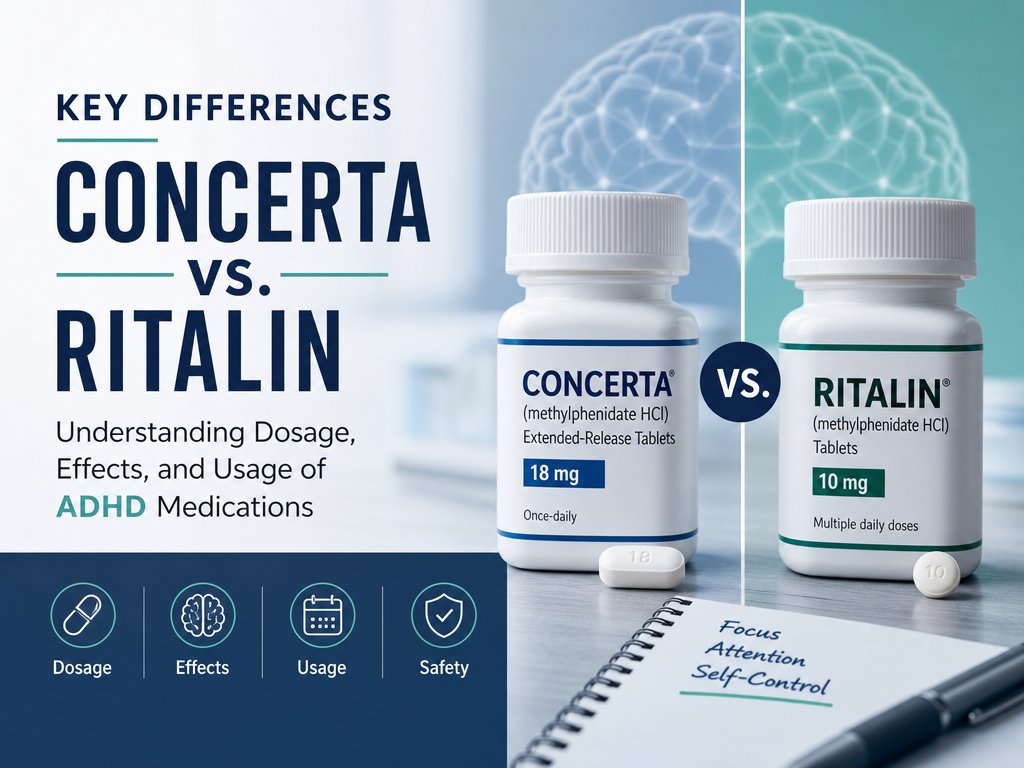
Concerta and Ritalin are medications often prescribed for managing attention deficit hyperactivity disorder (ADHD). These ADHD medications are both brand names of the active drug known as methylphenidate hydrochloride. While they share this active ingredient, they differ significantly in many ways, including dosage, duration of action, and cost, which can greatly influence a person’s choice of treatment when considering all factors involved.
Mechanism of Action
Concerta and Ritalin are both classified as stimulants. However, they have a paradoxical calming effect when used to treat ADHD. They work by boosting the levels of dopamine and norepinephrine in the brain, which are crucial neurotransmitters for improving focus and managing ADHD symptoms. By increasing the concentration of these neurotransmitters, the medications help regulate behavior and focus, thus proving effective in the standard treatment of ADHD.
Concerta: Extended Release
Concerta is formulated as a long-acting medication, delivering a steady release of its active components. It is typically administered once a day and provides relief from ADHD symptoms for up to 10 to 12 hours. This extended duration makes it highly suitable for individuals who need consistent management of symptoms throughout the entire day, including during school or work. The extended-release formulation aims to provide more constant therapeutic effects, reducing the need for multiple doses.
Ritalin: Immediate Release
Ritalin differs in that it is an immediate-release medication known for its quick onset of action but necessitates more frequent dosing. It’s effective for addressing acute symptom relief and is generally taken two to three times daily, tailored to individual needs and the severity of symptoms. This makes Ritalin particularly advantageous in situations that require rapid symptom relief and adjustability in dosing.
Comparison Between the Two Medications
The decision to use either Concerta or Ritalin largely hinges on individual preferences and lifestyle needs. Concerta offers smoother and more prolonged relief, fitting for daily routines that demand sustained attention and focus for various activities throughout the day. On the other hand, Ritalin is advantageous for those who require a more rapid onset of effect and provides flexibility in dosing. It can be adjusted easily when quick symptom management is prioritized. Individuals may prefer the immediate benefits Ritalin offers, despite necessitating multiple doses a day, based on their unique daily schedules and the severity of their symptoms.
Side Effects and Considerations
Both Concerta and Ritalin share a common profile of potential side effects, with risks that include growth suppression in children and weight loss. Additional possible side effects encompass sleep disturbances, appetite suppression, and an elevated heart rate. To help mitigate these adverse effects, healthcare providers often recommend ‘drug holidays,’ which involve pauses in medication, to periodically evaluate a child’s development and manage these possible side effects. Arranging these holidays strategically during this assessment can help in evaluating the impact of the medication on the child’s growth and overall health.
Neither Concerta nor Ritalin is appropriate for individuals with certain preexisting health conditions or for those on medications like MAOIs, due to possible interactions that could diminish effectiveness or increase side effect risks. Furthermore, these ADHD medications carry a potential for habit formation, especially in individuals with a history of substance abuse. Therefore, careful monitoring and adherence to the prescribed usage is essential to minimize the risks associated with potential addiction.
Usage Considerations in Pregnancy
Both Concerta and Ritalin fall under category C for pregnancy classifications, which implies potential risks exist. Hence, women who are pregnant or planning to become pregnant should seek medical consultation to weigh the benefits against the possible risks to the developing fetus. This deliberation is crucial to ensure proper management of ADHD symptoms without compromising fetal health and development. Careful consideration and medical guidance can help balance the benefits of symptom control against potential fetal risks.
Conclusion
When selecting between Concerta and Ritalin, critical factors such as the medication’s duration, dosing frequency, and specific symptom patterns should be thoughtfully considered. Ultimately, the choice should involve a thorough discussion with a healthcare provider or pharmacist to ascertain the most appropriate option for effective ADHD management and treatment. This conversation should account for the individual’s lifestyle, health history, and potential risks associated with the long-term use of these medications while ensuring the choice aligns with the patient’s unique needs and circumstances.