Radiation Therapy and Hair Loss
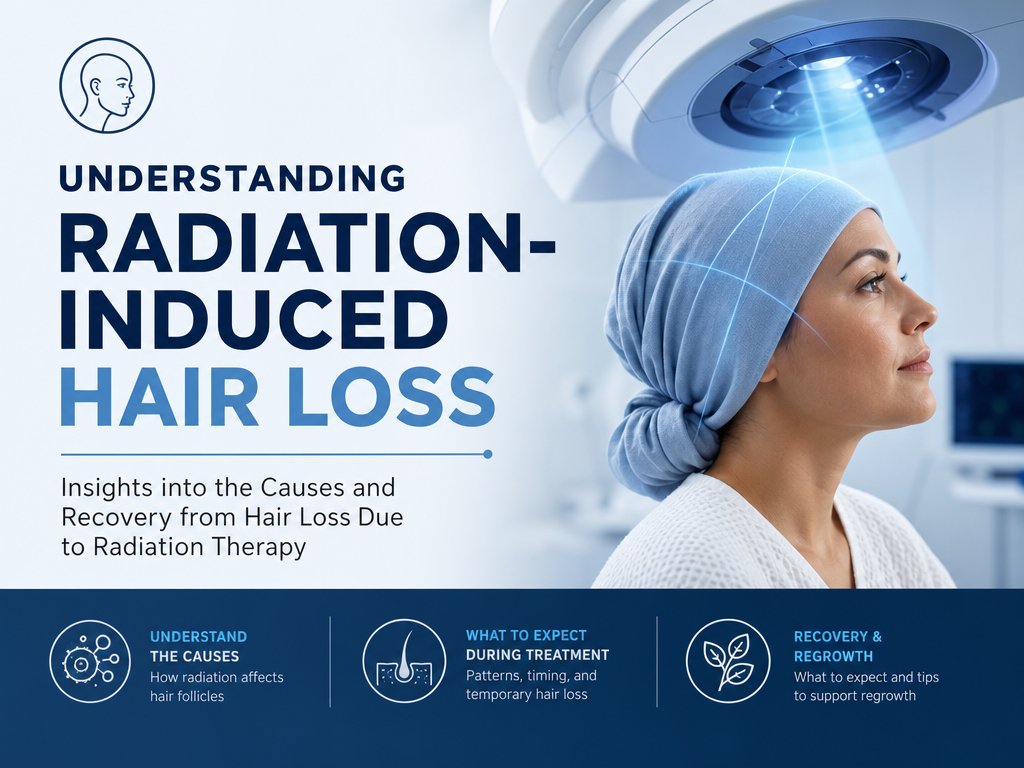
Radiation therapy is a prevalent treatment for various types of cancer, utilizing high doses of radiation to target and eliminate cancer cells. While this method is highly effective in many cases, it can also adversely affect healthy cells, leading to possible side effects, one of which includes hair loss. The extent of hair loss is influenced by factors such as the specific location of treatment and the radiation dose administered. This is a common concern for many patients undergoing treatment, as they face both the physical and emotional impacts of these changes. Understanding the process and preparing for these effects can help patients manage expectations and plan for recovery.
Effects on Hair
Hair loss, also known as radiation-induced alopecia, typically manifests in patches within the treated area. Unlike chemotherapy, which has the potential to cause hair loss over the entire body, radiation tends to impact only the specific areas being targeted. These areas could be the scalp, face, or torso, depending on where the radiation is applied. The localized nature of this treatment means that if the radiation is directed at the head to treat brain cancer, for instance, only the hair on the scalp may be affected.
This targeted effect results in different experiences for each patient; some may experience complete hair loss in affected areas, while others might notice just thinning. The uniqueness of each case underscores the importance of personalized care and discussions with healthcare providers to fully grasp potential outcomes based on the individual’s specific treatment plan.
How Does Radiation Affect Hair Follicles?
Radiation can damage keratinocytes, which are the cells found within hair follicles. This damage can impede their ability to effectively anchor hair or produce new strands. These keratinocytes are essential for producing new hair cells, and when they are impaired by radiation, the normal cycle of hair growth can be significantly disrupted. The disruption caused by radiation is generally temporary, and once the radiation treatment ceases, the follicles usually begin a recovery process within a few months.
It’s important to recognize that the recovery timeline can vary. While many will begin to see regrowth relatively soon after completing treatment, individual biological responses can differ. This variability may be influenced by age, genetic factors, and overall health, thus making some patients experience a faster or slower recovery process than others.
Recovery Timeline
Hair generally begins to regrow three to six months after the completion of radiation treatment, although changes in texture or thickness may be noticed. Recovery from hair loss involves regrowing hair to its previous thickness and texture, with the gradual appearance of new hair. For some, hair may not return to its former state immediately and can show differences in color or pattern, possibly resulting in a different hair appearance.
While the physical regrowth of hair is a primary concern, the emotional and psychological aspects of this change cannot be ignored. Patients often report feelings of anxiety or decreased self-esteem due to the visible effects of hair loss. Support groups, counseling, and open communication with loved ones can assist in navigating these emotions. By addressing both the physical and emotional facets of hair loss, patients can achieve a more comprehensive recovery.
Managing Radiation Effects
Apart from hair loss, radiation therapy can cause a variety of short- and long-term side effects. Some common short-term effects, such as nausea and fatigue, typically resolve on their own within a few weeks. On the other hand, long-term consequences, known as “late side effects,” may develop over several years after the treatment. These can include cognitive changes and skin sensitivity, among others.
Protecting Your Scalp
During the course of treatment, it is crucial to protect sensitive skin from further damage. Utilizing hats, scarves, and sunscreen can help safeguard exposed areas. The skin on the scalp becomes more sensitive due to the radiation, making these protective measures necessary. Additionally, maintaining ongoing communication with healthcare providers regarding side effects and management strategies is essential. They can offer guidance on the most appropriate skincare routines and products to use during recovery.
Being proactive in caring for the skin not only helps in preventing further irritation but also contributes to an overall sense of control and empowerment during the recovery process. Engaging with healthcare providers in discussions about suitable products, such as gentle shampoos or specifically formulated skin creams, can further aid the healing journey.
Common Concerns and FAQs
Many patients have questions about the lingering presence of radiation in the body and the timeline for long-term recovery. For instance, while oral radiation may take longer to be eliminated from the body, external treatments generally dissipate relatively quickly. The extent of recovery varies among individuals, determined by factors such as cancer treatment location, radiation intensity, and overall health. Concerns regarding potential permanent hair loss or significant hair thinning should be discussed with medical professionals, as they can offer insights on what to expect and potential actions to mitigate impact.
Engaging with medical professionals is critical in addressing these concerns, ensuring that patients have an informed approach to managing the side effects caused by radiation, particularly regarding hair health. They might suggest vitamins or supplements, topical treatments, or specific hair care practices to support healthier regrowth. This proactive involvement can be incredibly beneficial in tailoring strategies for patients, both during and after radiation therapy. It also helps in customizing strategies for better managing and possibly mitigating the impact of radiation therapy. Understanding these aspects is integral to psychological well-being and ensures patients maintain a positive outlook during their recovery journey. Overall, thorough dialogue with healthcare professionals paves the way for a well-supported recovery phase, where physical and emotional health is prioritized.