Introduction to Vasectomy
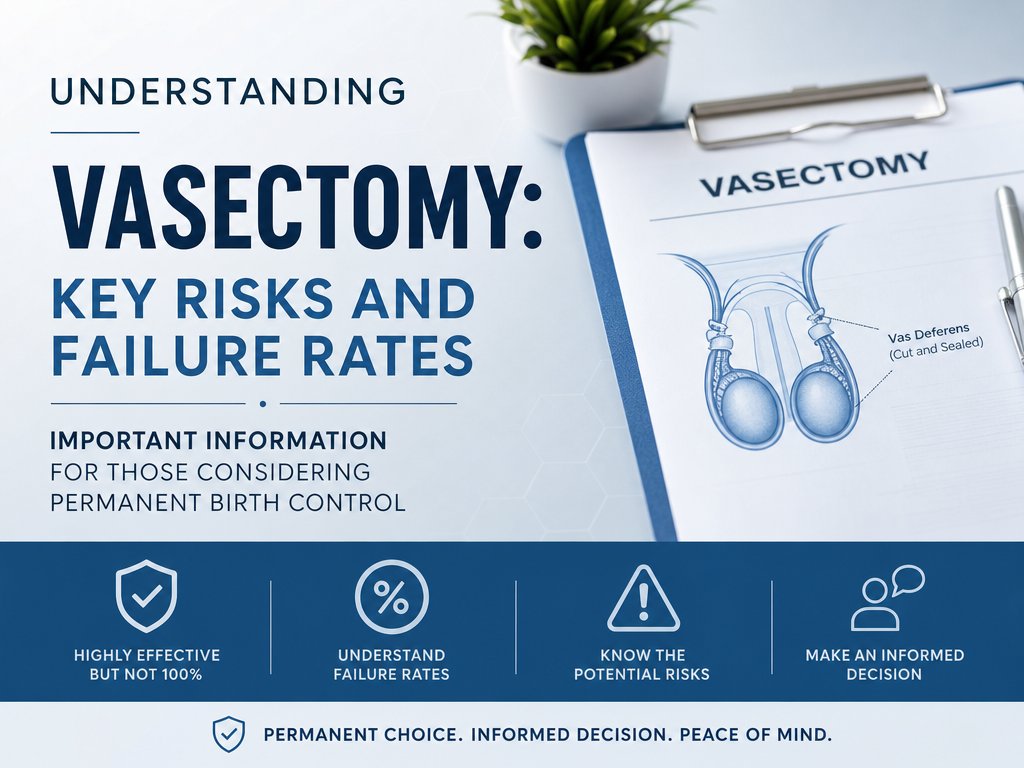
For men seeking long-term or permanent birth control, a vasectomy is a highly reliable and effective option that has helped countless families achieve their reproductive goals. This outpatient surgical procedure involves a healthcare professional cutting and sealing the vas deferens, which is the tube responsible for carrying sperm from the testicles to the urethra. By interrupting this path, sperm cannot mix with semen during ejaculation, effectively preventing the possibility of impregnating a partner. As a result, a vasectomy significantly reduces the chance of pregnancy, offering peace of mind to those who are certain they do not want children in the future.
Effectiveness and Comparisons
Vasectomies are considered one of the most effective birth control methods available, with a success rate that often surpasses other forms of contraception, such as condoms or hormonal birth control pills. When compared to tubal ligation, a similar procedure for women, vasectomies are generally simpler, less invasive, and more cost-effective, making them an appealing choice for many couples. However, it is essential to recognize that, like any surgical procedure, vasectomies are not entirely foolproof, and there are rare instances where they may not work as intended.
Failure Rates
In rare cases, vasectomies can fail, leading to unintended pregnancies. The failure rate is about 2 out of every 1,000 women becoming pregnant in the first year following their partner’s vasectomy. This failure can occur if the vas deferens is not completely closed or if it heals in a way that allows sperm to pass through again. Surgeons take great care during the procedure to minimize these risks, but it underscores the importance of follow-up care to confirm the procedure’s success. Additionally, patients are advised to attend all post-procedure appointments and adhere to medical guidance to maximize effectiveness.
Procedure Details
A vasectomy can be performed at various medical facilities, including a doctor’s office, an outpatient surgery center, or a hospital, offering flexibility and convenience to patients. During a conventional vasectomy, the surgeon makes small incisions in the scrotum to access the vas deferens, which is then cut and sealed using techniques like cauterization or clipping. Alternatively, no-scalpel vasectomies are becoming increasingly popular due to the reduced risks of bleeding and infection. This method involves making a tiny puncture instead of an incision, potentially offering a quicker recovery period and lower risk of complications.
Post-Procedure Considerations
After a vasectomy, it is essential to follow post-operative care instructions provided by the healthcare professional to ensure optimal recovery and effectiveness. One important consideration is that sperm may linger in the vas deferens for a few months post-surgery. To ensure the procedure’s effectiveness and confirm the absence of sperm, a semen analysis is recommended approximately two months after the procedure. Until a sperm-free semen sample is confirmed, it is advised to continue using backup contraception to prevent pregnancy. This measure ensures that couples remain protected during the period when the vasectomy’s full effects are yet to be realized. Patients should closely follow the healthcare provider’s advice to minimize risks.
Risks and Side Effects
As with any medical procedure, there are risks and potential side effects associated with vasectomies. Some men may experience mild discomfort, swelling, or bruising (hematoma) following the procedure, which typically resolves after a few days. A rare complication is post-vasectomy pain syndrome, where some men experience chronic pain without a clear underlying cause. Importantly, vasectomies do not affect a man’s ability to have erections, produce testosterone, or engage in sexual activities, as these functions are controlled by different biological systems. This ensures that the quality of life and sexual satisfaction remains unaffected for most patients. Those considering the procedure are encouraged to discuss potential side effects with a doctor.
Considerations for Reversal
Men who are certain about not wanting more children are ideal candidates for vasectomy because of the procedure’s permanence. Although vasectomy reversal is possible through a more complex surgical procedure, it is often less successful, and the costs can be substantial. Therefore, it is crucial to have thorough discussions with a doctor to understand potential risks, benefits, and alternatives before proceeding. Some men may choose to store sperm in a sperm bank as a backup fertility option before undergoing a vasectomy. This can provide reassurance for those who may have uncertainties about their future desires for children. The decision to bank sperm allows a degree of flexibility for those who could potentially reevaluate their reproductive goals down the line.
Conclusion
A vasectomy is a significant life decision that should be considered carefully with medical and perhaps even partner guidance. For many, it provides a sense of reliability and permanence that other birth control methods do not. Weighing its benefits, such as the non-invasiveness compared to female sterilization, and understanding the potential risks, including the rarity of failure or side effects, can help men make an informed choice that aligns with their personal and family planning objectives. Consulting with experienced healthcare providers can ensure all concerns are addressed, leading to confident, well-considered decisions. The choice to undergo a vasectomy should be a collaborative process, ensuring both partners’ perspectives and future aspirations are integrated into the final decision.