Introduction
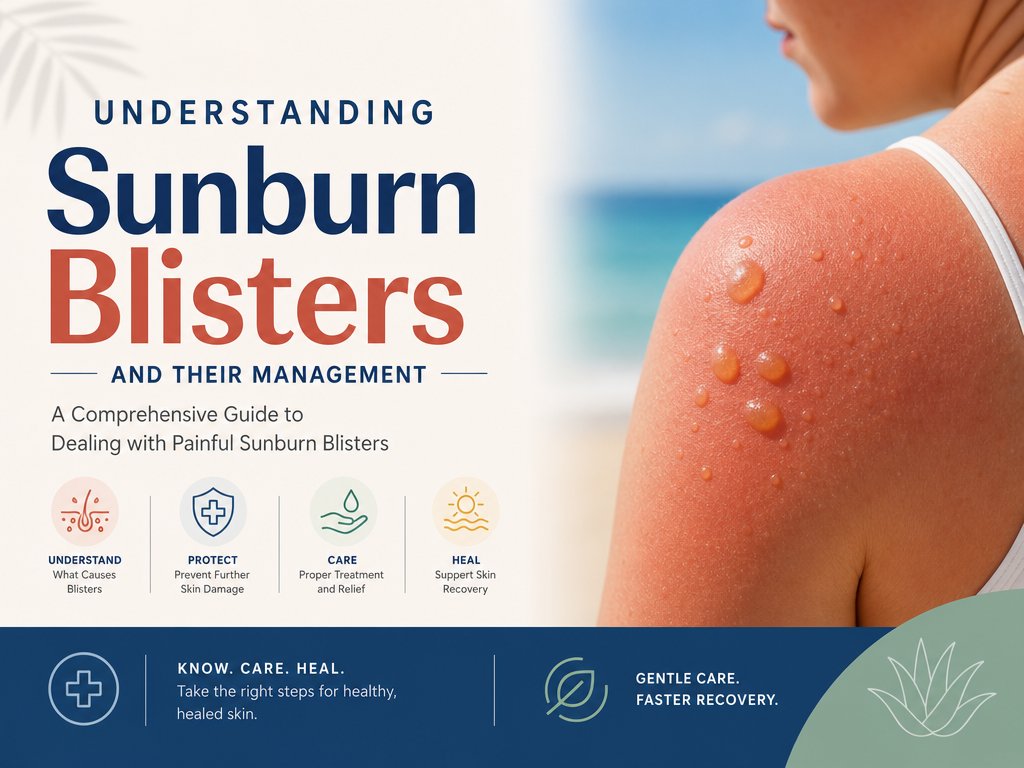
Sunburn blisters can be extremely painful and distressing, appearing as small, white, fluid-filled bumps on severely sunburned skin. Beyond discomfort, they can leave long-lasting marks if not managed properly. This guide aims to provide you with essential information on how to care for and prevent these painful lesions effectively, helping you avoid unnecessary complications and ensuring your skin remains healthy.
Causes of Sunburn Blisters
Sunburn blisters result from excessive exposure to ultraviolet (UV) rays, either from direct sunlight or tanning beds. When your skin absorbs more UV radiation than the melanin can handle, it reacts strongly, sometimes leading to blisters that can cause considerable discomfort and skin damage, especially if the exposure continues without proper protection.
What Are Sunburn Blisters?
These blisters appear as raised, fluid-filled bumps on the skin, often accompanied by surrounding red and slightly swollen areas. They can cause significant pain and itching, which can exacerbate the irritated condition of the skin if not handled with proper care and attention. Left untreated, these blisters risk infection and can disrupt the skin’s natural healing process.
Diagnosis and Treatment
A primary care doctor or dermatologist can diagnose sunburn blisters based on visual examination. They might also review your exposure history and sun protection measures to offer comprehensive treatment advice and prevent future occurrences. Understanding your skin type and sensitivity to sunlight can significantly improve management strategies.
Potential Complications
If the blisters are severe, they might lead to sun poisoning, which necessitates immediate medical attention. Similarly, popped or irritated blisters risk infection and possible scarring. Understanding these risks can guide effective preventive and immediate actions, ensuring optimal recovery for your skin and reducing the chances of long-term damage.
Managing Sunburn Blisters at Home
Mild cases can often be managed at home with simple remedies. It is crucial to keep the area clean—if blisters burst naturally, cleanse gently with cool water, and apply antibiotic ointment before bandaging with loose gauze. For severe cases, a doctor might prescribe corticosteroids for swelling and itching relief, aiding a smoother recovery process without complications. Keeping the skin moisturized can also assist in the healing process.
Prevention Tips
Preventing blisters starts with diligent skin care. Apply sunscreen with an SPF of at least 30 and reapply it every two hours when outside. Wear protective clothing and wide-brimmed hats, and stay informed about medications that might increase sun sensitivity. These precautions can significantly reduce the risk of sunburn and its aftermath, including blisters, particularly during prolonged exposure to UV rays.
Immediate Actions for Sunburn
If you notice a sunburn forming, act quickly to mitigate damage. Cool off in shade or indoors, stay hydrated, and gently rinse the affected skin with cold water. Considering additional aftercare, such as using moisturizer with aloe vera, can provide further soothing relief and promote efficient healing. Keeping an eye on skin changes and avoiding further sun exposure can prevent worsened conditions.