Introduction to Menstrual Cycle Variations
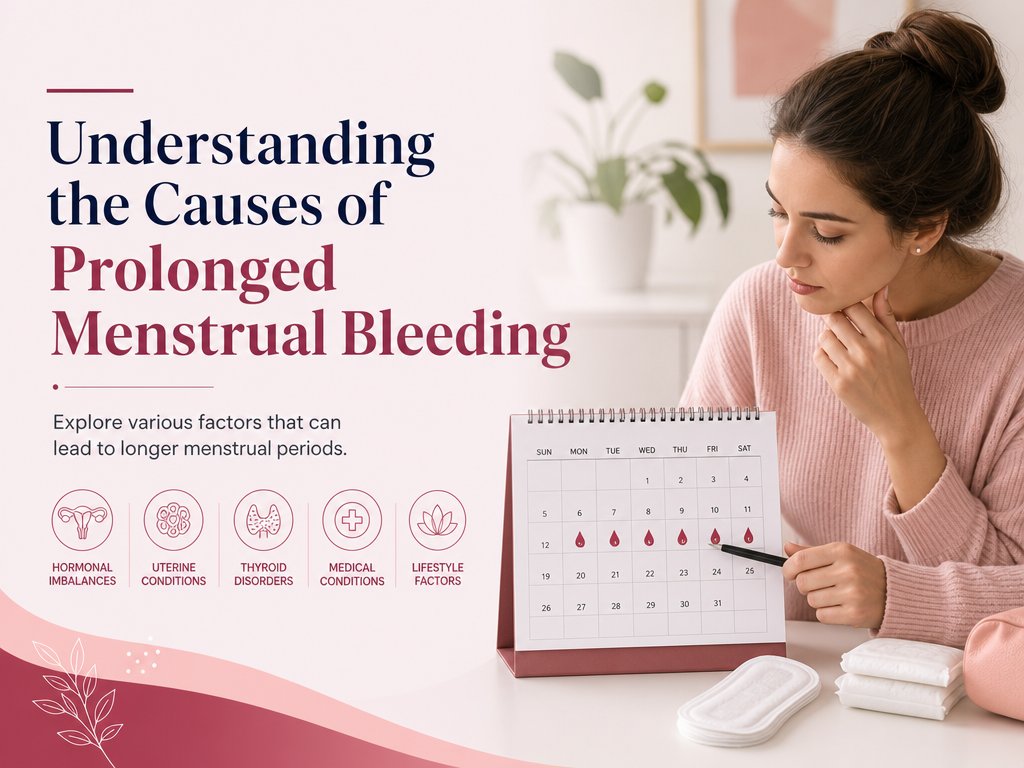
Menstrual cycles display a wide range of variability among different individuals. Some individuals experience periods that span just a single day, whereas others may have menstruation lasting up to a full week. Additionally, the overall cycle length can vary considerably, typically ranging from 21 to 35 days. Cycles that are shorter than 21 days may suggest issues like early or absent ovulation, while those that extend beyond 35 days can indicate irregular ovulation. Similarly, menstruation that continues for more than 7 days often hints at potential ovulatory problems.
Factors Influencing Longer Menstrual Periods
Medication Side Effects
The influence of certain medications, such as anticoagulants, antidepressants, and epilepsy medication, plays a significant role in potentially prolonging periods or causing heavier menstrual bleeding. For instance, anticoagulants can affect the blood’s ability to coagulate, leading to heavier bleeding. Similarly, particular antidepressants may alter levels of hormones or neurotransmitters that regulate the menstrual cycle. If changes in the menstrual cycle last beyond a period of three months, it is important to consult a healthcare professional to explore the underlying causes and potential solutions.
Impact of Birth Control
Hormonal birth control methods can significantly impact the duration of menstrual cycles. While many forms of contraception might result in lighter or shorter periods, some options, like the copper IUD, can lead to longer and heavier bleeding during menstruation. It is crucial to monitor any transition effects that follow the introduction of new birth control methods and discuss them with a doctor if concerns arise. Understanding one’s body response to different contraceptive methods helps tailor personalized and effective birth control strategies.
Emergency Contraception and Menstrual Changes
Emergency contraception is known to delay ovulation, which can impact the regularity of the menstrual cycle. For some, this may result in a temporary extension or disruption in the expected cycle interval, leading to uncertainty and stress. If menstrual abnormalities persist beyond the subsequent cycle, consulting a healthcare provider is of utmost importance to determine appropriate actions.
Abortion and Menstrual Variations
After undergoing an abortion, individuals may experience variations in their menstrual periods due to hormonal changes. It is essential to recognize that the body needs time to readjust post-abortion, which may affect menstrual cycle regularity and flow. Communicating with a healthcare professional if there are any concerns about post-abortion menstrual variations is important to ensure overall health and well-being. They can provide support and guidance on what changes to expect during recovery.
Miscarriage Effects
Miscarriages can resemble heavy menstrual periods and are often accompanied by cramping. It is crucial to seek immediate medical care if there is any suspicion of a miscarriage to address health needs and minimize potential complications. Moreover, healthcare professionals can offer emotional support and resources to help process the experience, promoting both physical and psychological recovery.
Uterine Growths and Menstrual Impact
The presence of uterine polyps and fibroids can result in prolonged, heavy menstrual periods. These noncancerous growths can cause discomfort and significantly impact daily life. Medical consultation is vital for a proper diagnosis and effective management of these conditions, ensuring symptom alleviation and improved quality of life. Treatment options may vary from watchful waiting to medication or surgical interventions, depending on the severity and impact on the individual.
Endometrial Concerns
Certain health conditions, including hypothyroidism, polycystic ovary syndrome (PCOS), endometriosis, adenomyosis, and bleeding disorders, can profoundly alter menstrual patterns. These conditions necessitate professional evaluation and appropriate intervention to ensure effective management of symptoms and overall health improvement. Timely diagnosis and tailored treatment can significantly enhance the quality of life by regulating menstrual irregularities and alleviating associated discomfort.
Menstrual Changes Approaching Menopause
The phase known as perimenopause, which precedes menopause, typically brings predictable menstrual irregularities. These changes are due to fluctuating hormone levels that affect the cycle’s duration and flow. Consulting healthcare providers during this period is important for symptom management and to maintain optimal quality of life through appropriate medical guidance. Understanding and preparing for these changes can empower individuals to navigate this transition with better confidence and less distress.
Potential Sign of Cancer
Extended periods of menstrual bleeding might serve as a warning sign of serious conditions like uterine, cervical, or ovarian cancer. Such persistent symptoms should not be ignored. Prompt medical investigation is essential to rule out or confirm such conditions and initiate timely interventions if needed. Early detection and treatment of any cancerous changes can significantly improve outcomes and increase survival rates.
Concluding Thoughts
There are numerous reasons why menstrual periods might be prolonged, with many situations resolving naturally without intervention. However, when menstrual symptoms begin to disrupt daily life or cause significant distress, seeking medical consultation becomes crucial. Such engagement with healthcare professionals helps in assessing and addressing potential underlying causes, ensuring that individuals receive the necessary care and guidance to manage their reproductive health effectively. Exploring all factors and treatments available can help individuals make informed decisions and improve their quality of life. Additionally, maintaining open communication with healthcare providers fosters a supportive environment, encouraging proactive management of menstrual health issues.