Introduction
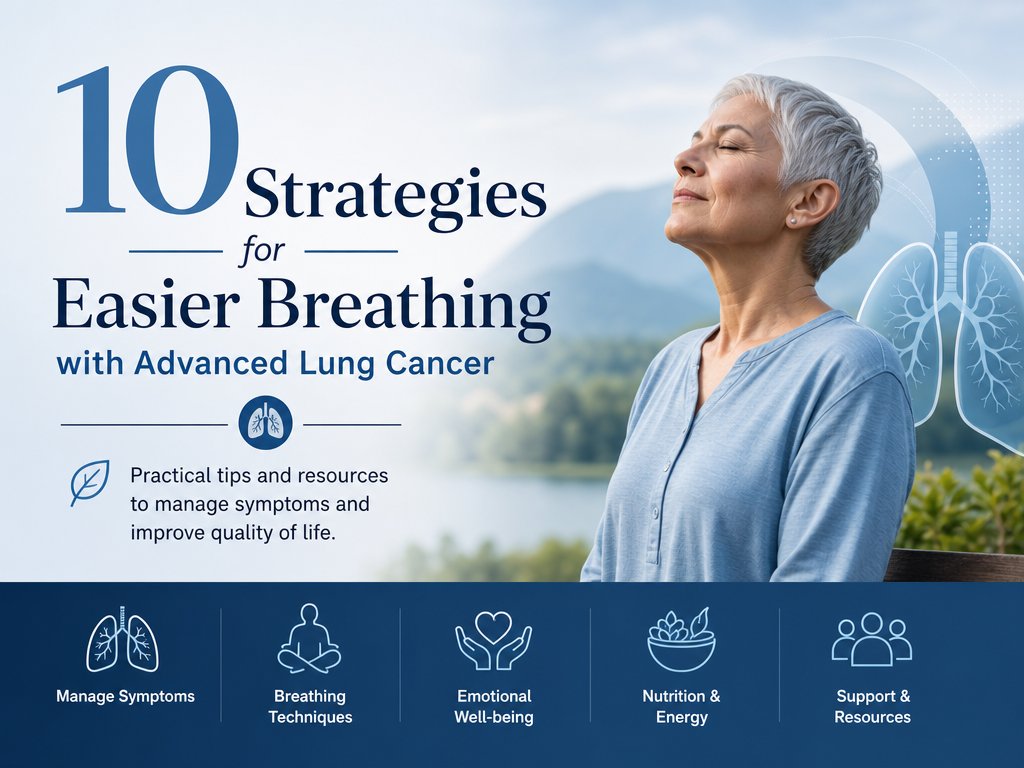
Facing an advanced non-small cell lung cancer (NSCLC) diagnosis can be daunting. Labeled as a formidable medical condition, NSCLC can significantly impact your quality of life due to the overwhelming symptoms, constant medical appointments, and emotional strain it brings. Nevertheless, there are strategies and approaches that can help you feel more in control of your health and breathing, making the experience more manageable, and potentially providing a framework for improving your overall well-being during this challenging phase of life.
Understanding Your Condition
Gaining comprehensive knowledge about your specific type of lung cancer can empower you to make well-informed decisions regarding your treatment options and lifestyle choices. Biomarker testing, which involves examining a tumor’s DNA through a biopsy, can reveal specific genetic changes that may respond favorably to targeted therapies. These therapies aim to tackle genetic abnormalities within the cancerous cells, often with minimal impact on healthier tissue, thus potentially reducing side effects and enhancing treatment effectiveness for you.
Additionally, specialized tests may assess protein levels such as PD-L1, helping determine the suitability of immunotherapy treatments. Saving detailed records to meticulously track numerous appointments for diagnostics, consultations, and procedures is essential as you navigate this complex cancer journey, providing valuable insights during discussions with healthcare providers.
Building Your Healthcare Team
A dedicated healthcare team is crucial, consisting of experienced oncologists, attentive nurses, caring social workers, and seasoned pharmacists. These committed professionals assist in managing your symptoms, alleviating pain, and supporting your emotional well-being, ensuring that your care is as comprehensive and compassionate as possible. Their collaboration will help in devising a personalized treatment plan that aligns with your individual needs and preferences.
Nutritional Support
Proper nutritional intake is vital to keep your body strong and resilient throughout the course of your treatment. Cancer symptoms or treatment side effects can often make eating a challenge, and you may lack the energy for tasks like grocery shopping. Thus, seeking guidance from a registered dietitian who specializes in cancer nutrition can uniquely address these challenges, possibly in coordination with your healthcare team. They can offer customized meal plans that consider your tastes and dietary restrictions.
Consider practical solutions like doing your shopping during your energetic periods, or alternatively, asking family and friends to lend a helping hand. Embracing supportive meal delivery services or grocery subscriptions can also streamline the process.
Breathing and Stress Management Techniques
Engaging in structured breathing exercises can significantly improve your breathing efficiency while also managing stress. Diaphragmatic breathing strengthens the diaphragm muscle, helping you draw in more air without expending excess effort. Alternatively, pursed-lip breathing helps conserve energy by slowing your breath and ensuring a steady oxygen flow, which can be particularly beneficial during activities that may feel demanding.
These techniques do require regular practice to become truly effective. Try incorporating them into your routine when symptoms are mild, thereby ensuring that they become second nature during more severe episodes. Enrolling in stress relief classes that also focus on mindfulness, meditation, or yoga can further enhance this practice.
Palliative Care
Palliative care is a vital aspect of cancer management, aiming to enhance quality of life by proactively addressing pain and other distressing symptoms. This specialized care provides important support for emotional health and can be beneficial at any stage of cancer, offering expert advice on managing symptoms and providing continual comfort and assistance for both you and your loved ones, easing various aspects of living with advanced cancer.
Emotional Support
Connecting with others in a support group for individuals coping with advanced cancer offers invaluable shared experiences and insights. These groups may be led by healthcare professionals or fellow cancer patients, providing a supportive platform for discussing challenges, sharing stories, and exploring effective coping strategies, presenting opportunities for genuine connection.
Professional mental health support is also essential for managing the array of difficult emotions that may arise. Consider consulting a mental health professional who can safely explore and address your feelings during this challenging period, providing targeted support and intervention so necessary for maintaining a balanced emotional state.
Practical Assistance
Daily activities such as shopping, meal preparation, and cleaning may become significantly more difficult. Organizing help from family, friends, or paid services can effectively ease these burdens. Creating a prioritized list of necessary tasks for volunteers can simplify accepting assistance, enabling those who care about you to offer tangible, meaningful support. Encourage those willing to help by giving them specific, manageable tasks that align with your daily needs.
Pursuing Joy and Self-care
Finding joy and maintaining positivity amid your battle with cancer can be powerful forces for good. Spending meaningful time with loved ones or engaging in relaxing hobbies can offer necessary distractions and relief from the relentless stress of treatment. Self-care is about deliberately including activities or routines that foster genuine happiness and an overall sense of well-being. It’s important to acknowledge and celebrate small victories in your day-to-day life, reinforcing the importance of positive experiences.
Conclusion
Receiving an advanced lung cancer diagnosis is an immense challenge, but establishing a routine tailored for managing your physical and emotional health is incredibly crucial. Through the adaptation of breathing techniques, effective symptom management, and emotional support, you can markedly improve your quality of life even amidst this daunting journey. Remember, numerous resources and supportive individuals are available and eager to assist you every step of the way. Embrace the help available, and focus on nurturing aspects of life that bring you peace and joy.