Introduction to Narcotic Drugs
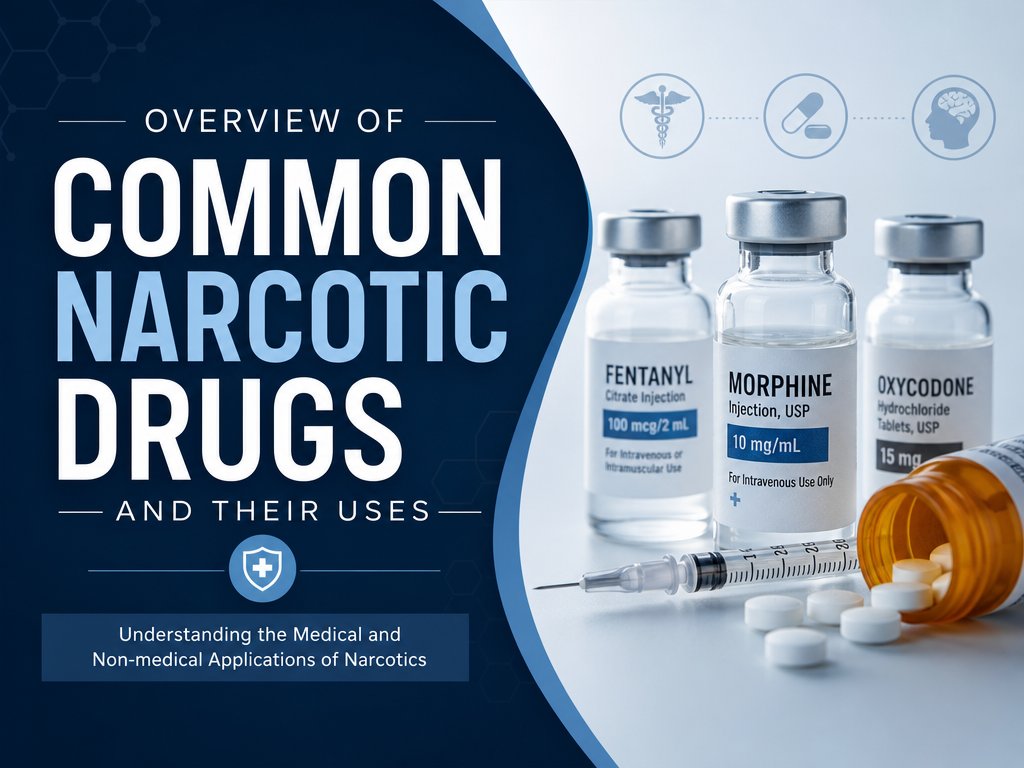
Narcotic drugs, a key topic in pharmacology, were initially broadly defined as any substances that provide pain relief and cause a dulling of the senses. However, in contemporary medical terminology, they are more specifically referred to as opioids. This classification includes a variety of compounds, not only naturally occurring opiates directly derived from the opium poppy but also synthetic and semi-synthetic versions. Opioids exhibit an indispensable role when it comes to managing pain, particularly in medical contexts, although they come with a considerable potential for misuse and dependence, posing significant societal and healthcare challenges. These substances have starkly influenced the realm of healthcare as well as broader society, necessitating a keen understanding of their benefits and risks.
Difference Between Opioids and Opiates
The terminology can be nuanced: “opioid” is an umbrella term that includes opiates, which occur naturally from the opium poppy, as well as synthetic and semi-synthetic derivatives manufactured using chemicals. That breadth of classification highlights the diversity in chemical structures and differing effects these substances have on the human body. Opioids, used responsibly, can offer effective pain control and relief across a variety of conditions, although they may also induce significant side effects such as respiratory depression, cognitive impairment, and lowered heart rate, requiring a careful approach to their use and prescription.
Medical and Prescribed Uses
In clinical settings, healthcare providers might prescribe opioids to manage moderate to severe pain, or for chronic issues like anxiety or insomnia when other treatment options prove ineffective. Key considerations involve precise dosing and strict adherence to prescribed guidelines, including an informed awareness of any potential side effects that could arise. Moreover, compliance with local and international regulations regarding controlled substances is critical to ensure patient safety and adherence to accepted medical standards when prescribing these potent drugs.
Non-medical Use and Risks
Not all opioids are utilized exclusively for legitimate medical purposes. Some individuals knowingly misuse these medications recreationally to experience euphoria or altered states. Such activities come with significant risks, notably the potential for severe physical dependence and addiction. An emphasis in the regulatory landscape on careful use and comprehension of potential harmful consequences underscores the importance of education and precautionary measures, making sure individuals understand the inherent risks.
Tolerance, Dependence, and Addiction
With regular consumption, opioids can lead to physiological phenomena like tolerance, manifesting as the need for progressively larger doses to attain the same effect. Dependence becomes evident when the body begins to adapt to the presence of the substance, resulting in withdrawal symptoms should its usage be reduced or stopped. Addiction, however, transcends mere physical dependence, embodying a chronic dysfunction in the brain’s reward, motivation, and memory systems, creating a formidable challenge for affected individuals.
Examples and Implications
Heroin, a potent and illegal opioid, exemplifies opioids with high addiction potential. Its use can quickly escalate, necessitating increasingly higher doses over time to achieve the desired effects. The implications linked to heroin addiction are profound, impacting not only health but also social relationships, economic stability, and legal status. The broader impacts on communities include increased healthcare demands and challenges in law enforcement.
Harm Reduction Strategies
In response to the numerous challenges associated with opioid misuse, harm reduction strategies have become critically important. These strategies aim to mitigate negative consequences of drug use through various measures, such as providing safe consumption spaces and comprehensive education about the substances. Emphasizing the reduction of harm rather than solely preventing use acknowledges the reality of drug consumption and seeks to improve safety and understanding among users.
Resources and Support
A myriad of organizations and programs, spanning governmental and nonprofit spheres, offer invaluable resources for individuals needing help or advice regarding substance use. Organizations like the Substance Abuse and Mental Health Services Administration (SAMHSA) provide hotlines and extensive informational resources, ensuring access to those in need of support. Support groups such as Narcotics Anonymous offer community and understanding for those managing substance use disorders, and they play a vital role for both users seeking recovery and their families. Recognizing the importance of careful and controlled use is crucial for safeguarding individual and public health, and through collective awareness and coordinated action, the societal and individual burdens tied to opioid misuse can be addressed with greater efficacy.