Introduction to Pemphigus Foliaceus
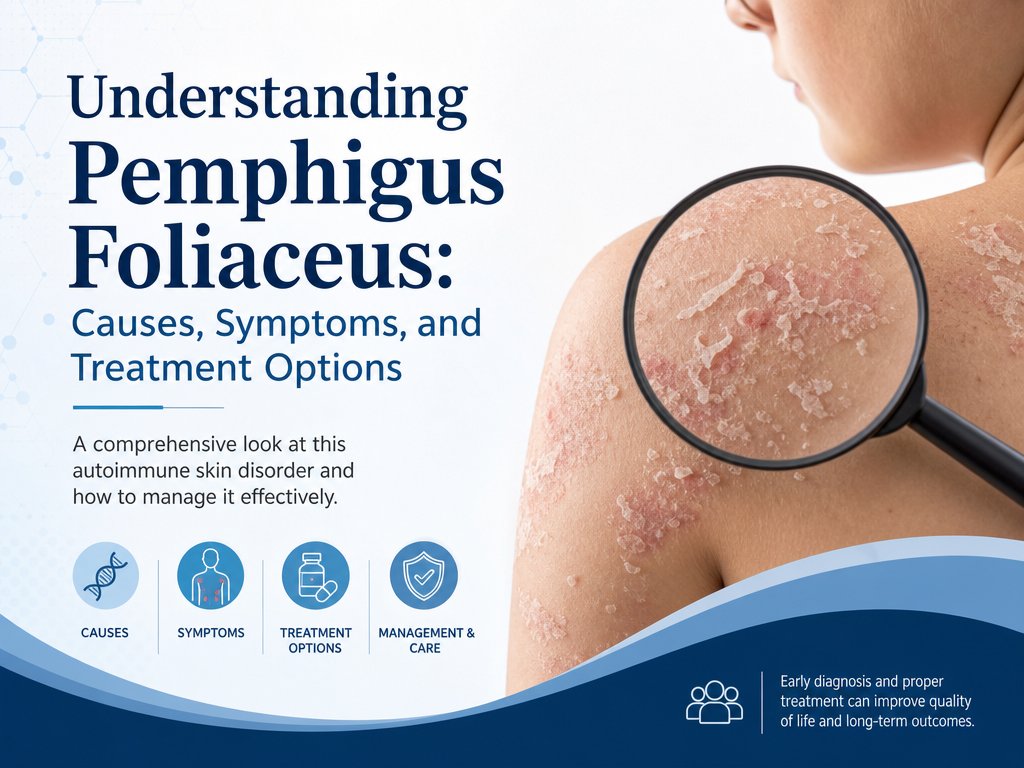
Pemphigus foliaceus is a rare but notable autoimmune disorder primarily characterized by the formation of itchy blisters on the skin’s surface. This condition is part of the pemphigus family, a group of skin diseases that are known for causing blisters on the external skin, within the mouth, and in other parts of the body.
Types of Pemphigus
Within the pemphigus family, several types have been identified, each with its own distinct characteristics and areas that are predominantly affected:
– **Pemphigus Vulgaris**: Known for its severity, pemphigus vulgaris impacts both the skin and mucous membranes significantly. This form leads to painful blister formation within the mouth, on the skin, and occasionally on the genitals as well.
– **Pemphigus Foliaceus**: A milder variant, pemphigus foliaceus primarily affects areas like the upper torso and face, with the smaller blister formations being a primary symptom.
– **Pemphigus Erythematosus**: As a variation of pemphigus foliaceus, it mostly impacts facial areas and is frequently associated with lupus, an autoimmune disease that can influence multiple systems within the body.
Symptoms and Signs
In pemphigus foliaceus, blisters typically appear on areas such as the chest, back, and shoulders. These blisters begin as small lesions that can grow and progressively cover more extensive areas, including the torso, face, and scalp. The blisters tend to rupture easily, resulting in sores that crust over quickly. They can provoke itching or feel slightly painful, causing persistent discomfort for those affected.
The Autoimmune Connection
Pemphigus foliaceus is classified as an autoimmune disorder wherein antibodies mistakenly attack the skin’s outer layer, known as the epidermis. This process leads to the disruption of keratin, an essential structural protein, resulting in blister formation. Although the precise cause remains elusive, certain medications and environmental influences may heighten the risk of developing this disorder. This condition highlights the body’s immune response malfunction, where it mistakenly targets its skin cells.
Risk Factors and Onset
This condition can manifest at any age but predominantly affects individuals aged between 50 and 60. People of Jewish descent might have a higher predisposition to related conditions such as pemphigus vulgaris. The incidence of this disorder doesn’t exhibit a strong gender bias but can vary with geographical location and ethnic background.
Treatment Strategies
The primary aim in treating pemphigus foliaceus is to reduce blistering and facilitate skin healing in affected areas. Doctors often prescribe corticosteroid creams or oral medications to help mitigate inflammation and manage the immune system response. However, prolonged use of these medications can lead to side effects such as elevated blood sugar levels, unwanted weight gain, or decreased bone density among other potential concerns.
Alternate Treatments
Various other medications might be used in conjunction with corticosteroids. In severe cases, treatment in hospital settings with rigorous medical care may become necessary. Preventing infection in open blisters is crucial, as infections can escalate to serious conditions like sepsis if not treated properly. Regular oversight by healthcare professionals is vital for the effective management of this condition. Additionally, discontinuing any medications identified as contributing to the condition may result in symptom resolution for some individuals.
Conclusion and When to Seek Help
Successfully managing pemphigus foliaceus requires a thorough understanding of the symptoms, potential causes, and the range of available treatments. Should untreated blisters persist or become infected, it is critical to seek medical consultation immediately. For those already diagnosed, contacting a healthcare provider is necessary if symptoms worsen or unusual reactions are experienced. Although some cases may resolve independently, ongoing treatment is often required to prevent recurrence.
By staying informed and vigilant, patients can effectively manage pemphigus foliaceus, minimizing its impact on daily living and overall health. The autoimmune nature of this condition necessitates a comprehensive care approach for optimal outcomes, emphasizing the importance of patient education and proactive management.