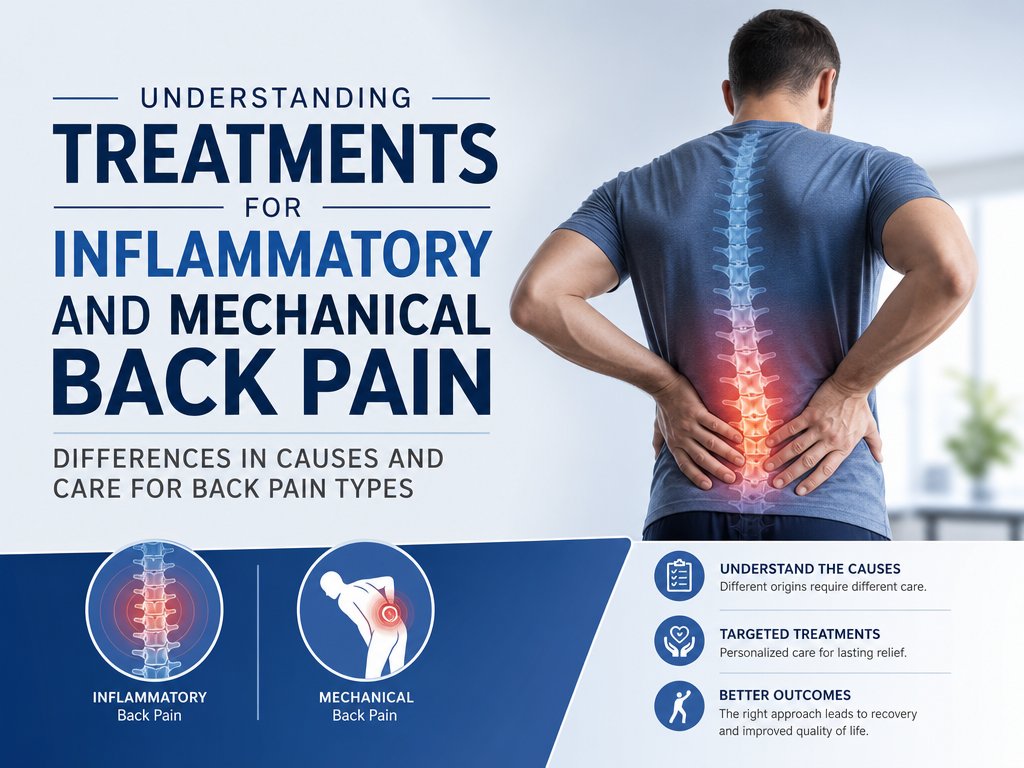
Introduction to Back Pain Types
Back pain is a pervasive complaint experienced by many individuals worldwide and can be broadly classified into two main types: inflammatory and mechanical. Both categories of back pain can exhibit a wide range of intensity, escalating from mild discomfort to severe agony, and may potentially develop into chronic conditions if not adequately addressed. A thorough comprehension of the distinctions between these types is vital for an accurate diagnosis and the formulation of effective treatment strategies.
Inflammatory Back Pain
Inflammatory back pain is primarily associated with conditions such as ankylosing spondylitis (AS), a specific type of arthritis that affects the spine. This condition can potentially lead to the fusion of the vertebrae if not treated adequately over time. Often, the condition is hereditary and is linked to the prevalence of the HLA-B27 gene. However, it is crucial to understand that not everyone who carries this gene will necessarily develop AS.
Symptoms and Progression of AS
The symptoms of ankylosing spondylitis typically encompass persistent lower back and hip pain, which tend to intensify during prolonged periods of inactivity and may improve with regular movement or exercise. If left untreated, AS can progressively lead the vertebrae to fuse together, thereby escalating the risk of fractures and significantly minimizing flexibility and mobility over time.
Inflammation Beyond the Spine
AS is a systemic inflammatory condition, meaning that it can affect multiple parts of the body beyond the spine. Potential areas of impact include the eyes and heart. Therefore, a comprehensive care approach becomes imperative in order to prevent potential complications and manage any co-existing conditions effectively.
Factors and Diagnosis
Diagnosing AS requires a detailed analysis of the patient’s medical history in addition to conducting rigorous physical examinations. Imaging tests, such as X-rays and MRI scans, are critical in detecting signs of vertebral fusion or inflammation. Further tests, including blood tests for inflammation markers and genetic testing for the HLA-B27 gene, may also be employed to substantiate the diagnosis. A multidisciplinary team, including a rheumatologist, can provide a more comprehensive diagnosis and care plan.
Mechanical Back Pain
Mechanical back pain arises from issues within the structural components of the spine or the surrounding soft tissues. It often results from repetitive physical trauma, poor posture, or overuse, and is commonly observed in various workplace environments, subsequently contributing to the onset of chronic pain in affected individuals. Other factors such as obesity or weak abdominal muscles can also exacerbate this type of back pain.
Diagnosis and Symptoms
Individuals suffering from mechanical back pain often experience symptom relief with adequate rest. The pain might be most acute during specific activities or immediately upon waking in the morning; however, it generally subsides with physical movement as the day progresses. Diagnosing mechanical back pain often involves a process of elimination to rule out inflammatory causes. Physical assessments and sometimes imaging, like X-rays, are utilized to better understand the spine’s structural condition.
Treatment Options
Optimal treatment for mechanical back pain frequently emphasizes rest and lifestyle modifications over pharmaceutical interventions, particularly in cases classified as mild. Modifying physical activities and making ergonomic adjustments are significant contributors to recovery. Practices such as yoga or pilates may provide beneficial stretching and strengthening.
Medications and Lifestyle Management
While medications like acetaminophen or anticonvulsants might not be particularly effective for mechanical back pain, physical therapy and lifestyle adaptations are recommended for symptom reduction. Strategies such as engaging in strengthening exercises, maintaining proper posture, and implementing ergonomic adjustments can substantially improve quality of life. Applying heat or cold compresses may provide temporary relief and muscle relaxation.
Comparative Management and Diagnosis
Achieving an accurate diagnosis is pivotal in administering the correct treatment for each type of back pain, as the therapeutic approaches differ considerably. Treatments for inflammatory back pain necessitate the use of medications specifically aimed at controlling inflammation, such as non-steroidal anti-inflammatory drugs (NSAIDs) or biologic agents. Conversely, mechanical back pain might not require medical intervention and can often be managed through non-pharmaceutical means, focusing predominantly on lifestyle and activity modifications.
Comprehensive Approach to Care
Adopting a prescribed regimen of treatment methodologies and incorporating lifestyle strategies can aid in the effective management of symptoms and prevent further progression of the condition. This comprehensive approach involves a blend of medical therapy, physical therapy, and self-care methods, all tailored to meet the specific needs and circumstances of the individual. Consultation with healthcare providers ensures a personalized treatment plan.
Conclusion
Recognizing whether back pain is inflammatory or mechanical in nature is crucial for selecting appropriate and effective treatments. A detailed and thorough medical evaluation will guide effective management and therapeutic decisions, ultimately helping to alleviate symptoms, enhance mobility, and improve overall patient outcomes. With proper understanding and management, individuals suffering from back pain can experience significant improvements in their quality of life. Lifestyle interventions and continuous care are key to preventing recurrence and managing pain efficiently.