Introduction to the MoCA Test
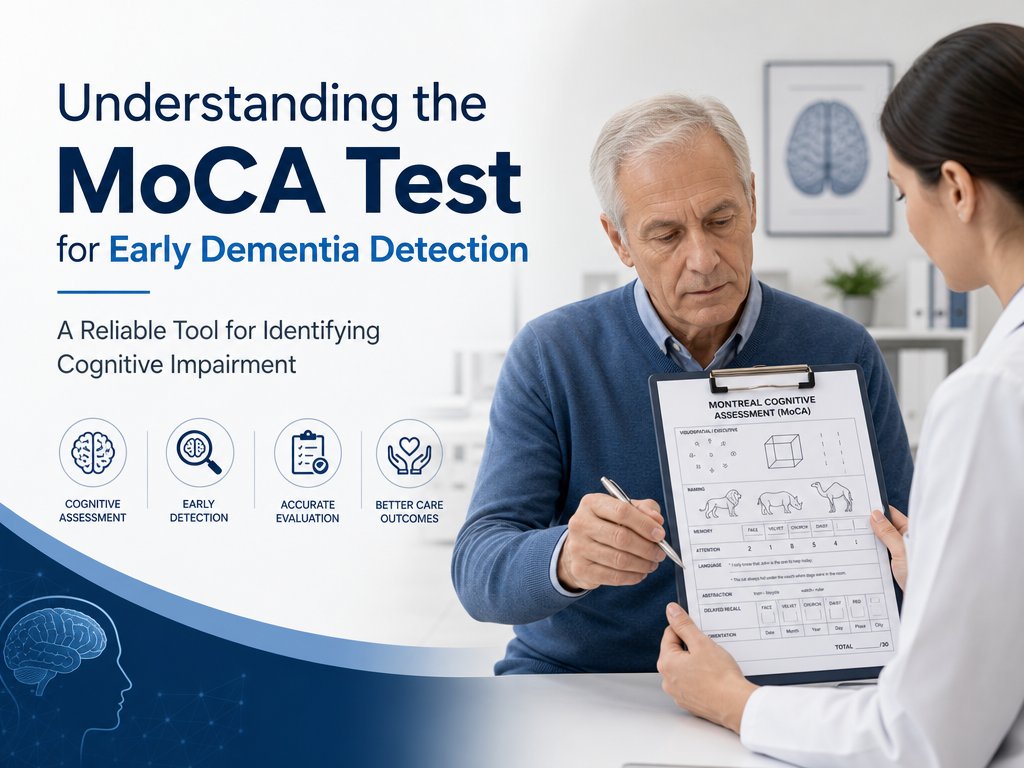
Detecting early signs of dementia is crucial for effective management and potential intervention. The Montreal Cognitive Assessment (MoCA) is a highly regarded tool widely used in the early detection of cognitive impairments. It evaluates a range of cognitive functions, including memory, attention, and language abilities, thereby offering a comprehensive overview of an individual’s cognitive health. This aids in implementing timely management strategies that may prove beneficial in slowing down the progression of cognitive decline or dementia. Early intervention is particularly important as it can improve one’s quality of life significantly and offers a broader range of treatment options before severe impairment occurs.
The Purpose of Cognitive Screening
Cognitive screening tests like the MoCA play a vital role in identifying early indicators of dementia, particularly in individuals not yet displaying overt symptoms. Early detection through the MoCA enables healthcare professionals to manage and intervene promptly, potentially improving patient outcomes significantly by implementing early therapeutic strategies and consistent monitoring. Such screenings are integral in formulating personalized healthcare plans and ensuring that patients receive the most effective interventions. Early diagnosis also benefits patients by reducing anxiety and providing clarity about their cognitive health status.
Features and Functionality of the MoCA
The MoCA is primarily employed as an initial screening measure designed to detect cognitive impairment signs, such as dementia. The test targets multiple mental processes, including visuospatial abilities, executive function, and short-term memory, providing an encompassing picture of cognitive abilities. Healthcare professionals might suggest further comprehensive assessments if a person scores below a specific threshold in the MoCA test, ensuring an accurate understanding and evaluation of cognitive health. The inclusion of a wide spectrum of cognitive abilities makes the MoCA uniquely comprehensive, allowing for a better initial assessment that considers various cognitive domains.
Scoring and Interpretation
The MoCA test scores range from 0 to 30, with scores below 26 often indicating potential cognitive impairment. Skilled interpretation of the results may vary based on various factors, including the patient’s age, education, and the specific clinical context. A nuanced approach is essential in applying the results to real-world clinical decisions, considering that individual variables can greatly influence the test outcomes. Interpretation must also align with current research and clinical guidelines, ensuring informed decisions about patient diagnosis and management.
Effectiveness and Limitations
The MoCA has proven effective in detecting cognitive changes, especially in individuals with higher education levels. However, some concerns arise about its variability in accuracy across different populations and contexts. Adjustments to the scoring system and methodology are continually being made to address these limitations and enhance the test’s reliability and validity. Healthcare providers strive to understand these constraints to better integrate the MoCA into diverse clinical settings. By recognizing these limitations, professionals can employ other diagnostic tools and strategies to complement MoCA findings when necessary, ensuring comprehensive evaluation of cognitive health.
Research and Its Implications
Numerous studies have examined the feasibility and efficacy of the MoCA tool. For instance, a 2020 study emphasized its proficiency in confirming cognitive abilities in outpatient settings, while another 2017 study highlighted its mixed accuracy in diagnosing cognitive issues in Parkinson’s disease patients. Furthermore, a 2021 review critically recognized the MoCA’s overall reliability but also noted a significant occurrence of false-positive results at a 26 cutoff score. More extensive research is needed, particularly in primary care contexts, to refine scores for the accurate diagnosis of dementia. Ongoing research validates the critical role of the MoCA while identifying areas for further advancements and standardizations in cognitive assessments.
Educational Influence on Results
Research shows that the MoCA’s outcomes might be highly influenced by the test-takers’ education level. Among individuals with lower educational attainment, the results may falsely indicate cognitive impairment due to unfamiliarity with test content. Steps have been taken to adjust the test for fairness across varying educational backgrounds, as ongoing research is pivotal in ensuring the test remains equitable and effective across the board, making it accessible to all demographic groups. Adequate adjustments help mitigate biases, allowing healthcare providers to interpret results accurately and compassionately.
Administration and Support
Trained professionals such as doctors or psychologists typically conduct the MoCA test. By efficiently detecting potential cognitive issues, the test acts as an essential tool for flagging the need for more profound evaluation. Through training and proper administration, healthcare professionals ensure accuracy and reliability in generating results, providing crucial initial insights that guide further testing and management strategies. These efforts highlight the importance of skilled administration in the broader clinical context to ensure optimal patient care.
In addition, healthcare providers must stay informed about the latest advancements and updates in MoCA administration techniques. Maintaining professional knowledge enables clinicians to deliver the most accurate assessments, directly contributing to better patient outcomes and enhanced quality of life for individuals facing cognitive challenges. As the landscape of cognitive health assessment continues to evolve, the commitment to high standards of practice remains a priority for those administering the MoCA test. This dedication not only advances clinical practice but also supports the development of new, effective strategies for managing cognitive health, reinforcing the test’s role as an essential tool in modern healthcare.