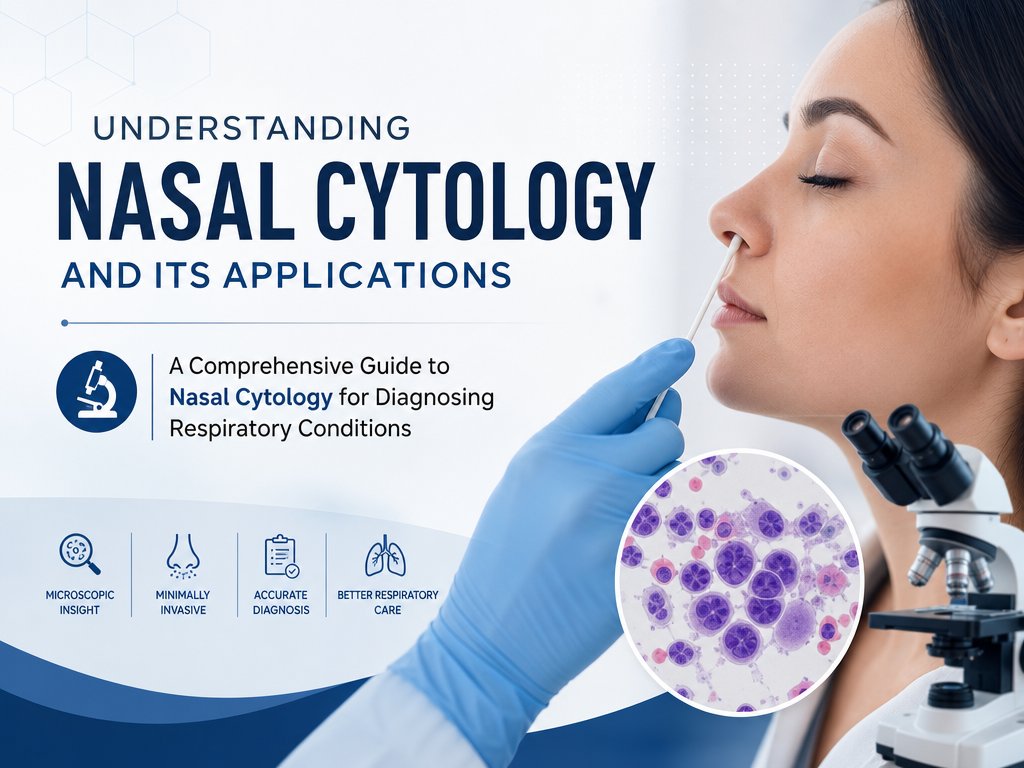
Introduction to Nasal Cytology
Nasal cytology is a diagnostic tool used to examine cells in the nasal passages. By analyzing cell or mucus samples, doctors diagnose and manage conditions such as allergies, rhinitis, and infections. This article offers an overview of nasal cytology, its purpose, methodology, and associated risks.
Purpose and Benefits of Nasal Cytology
Healthcare professionals, often otolaryngologists, use nasal cytology to study nasal cells for signs of inflammation, infections, or allergies. This minimally invasive procedure helps in diagnosis and informs treatment plans. Nasal cytology is crucial for managing nasal health by identifying conditions that enable targeted therapeutic interventions, improving patient outcomes and quality of life. It provides insights into nasal secretions’ cellular composition, helping distinguish between various allergies and infections, which is essential for a differentiated approach to patient care and treatment.
Procedure of Nasal Cytology
Taking about 20–30 minutes, nasal cytology collects samples from the nasal passages for microscopic examination. During this safe, low-risk process, mild discomfort or bleeding might occur. However, benefits outweigh these inconveniences. Recovery is quick, allowing patients to resume normal activities immediately. Samples are sent to a lab for staining and microscopic examination, allowing detailed cellular analysis. Cells like eosinophils, neutrophils, and goblet cells are identified, indicating conditions such as allergic rhinitis or bacterial infections. This analysis often leads to faster, more accurate diagnoses, paving the way for specific, individualized treatment protocols.
Application and Implications
Nasal cytology is key in diagnosing and monitoring conditions. It complements other diagnostic tests to address rhinitis symptoms accurately. Depending on symptoms, complementary tests like allergy tests may be employed for the most suitable treatment plan. This collaborative approach ensures a comprehensive evaluation, enhancing prescribed treatments’ effectiveness. Nasal cytology also plays a preventive role by identifying potential allergens and irritants early, enabling proactive management of chronic conditions and preventing symptom exacerbation. This approach aids in reducing the frequency and severity of nasal episodes, improving nasal health.
Common Questions About Nasal Cytology
Causes of Nonallergic Rhinitis: While exact causes are elusive, nonallergic rhinitis might link to nerve issues within nasal linings. Triggers include irritants like smoke, pollution, and infection. Understanding these triggers helps form effective management plans.
Scope of Nasal Cytology: This procedure detects respiratory issues by examining nasal cells, aiding in identifying inflammation, infections, and allergies. Insights gained assist in crafting targeted therapies, ensuring personalized patient care.
Procedure Sensation: Nasal cytology is generally painless, with only mild discomfort during sample collection. Patients are reassured by professionals to minimize anxiety, ensuring a comfortable experience.
Conclusion
Nasal cytology is valuable for diagnosing and managing nasal conditions. If experiencing symptoms, consulting a healthcare professional about this procedure is advisable. It offers a noninvasive option to explore underlying causes and refine treatment strategies. With advancements, nasal cytology is an evolving practice, offering potential in early detection and management of respiratory conditions. Discuss nasal cytology with your healthcare provider to address nasal symptoms effectively, ensuring you receive appropriate care tailored to your needs.