Introduction to Hysterectomy
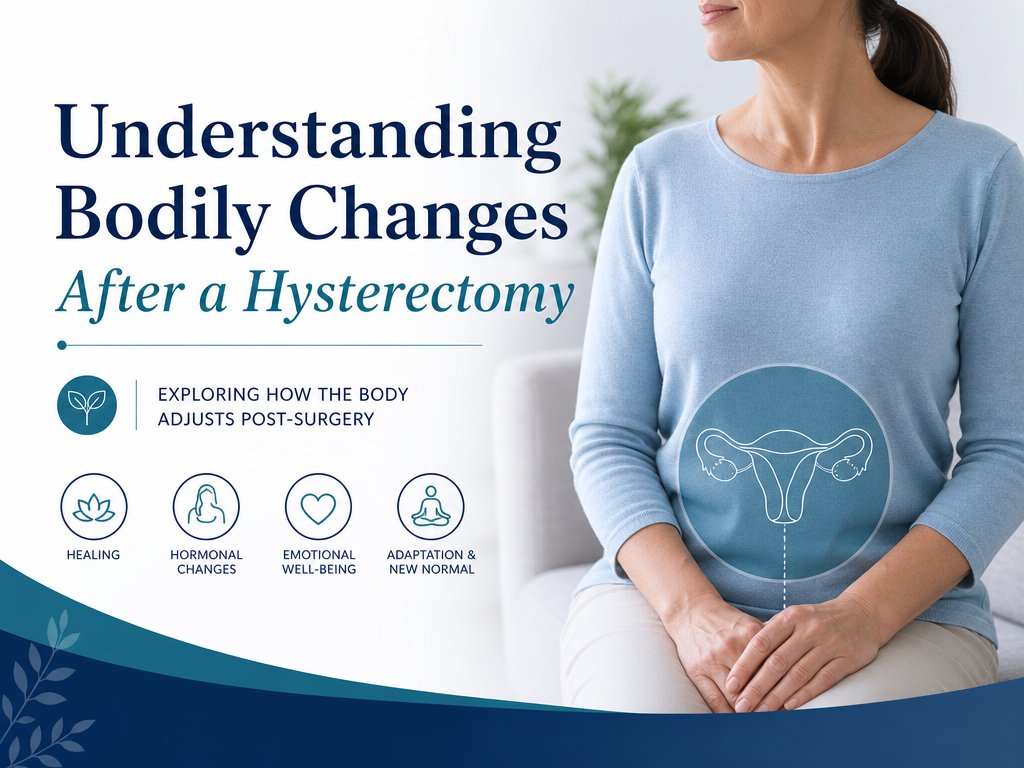
A hysterectomy is a major surgical procedure where a woman’s uterus is removed. This surgery can significantly impact the structure and function of nearby organs, as the body adjusts to the absence of the uterus. Understanding the scope and implications of this procedure is crucial for anyone considering it, as it involves significant bodily changes and potential alterations to future health status.
Types of Hysterectomy
There are various types of hysterectomy, each with different implications for reproductive organs. During a total or radical hysterectomy, both the uterus and cervix are removed, and sometimes additional reproductive organs, like the ovaries and fallopian tubes, are also taken out. This is often considered when cancer is present, as it ensures the removal of potentially affected tissues.
A partial hysterectomy, sometimes referred to as a subtotal or supracervical hysterectomy, retains the cervix while removing the uterus. This operation is not viable in cases involving cancer in any reproductive organs or after an abnormal Pap smear. It can be an option for those with fibroids or certain benign conditions, offering the benefit of a shorter recovery time and less invasive surgery.
Changes Post-Surgery
Following a hysterectomy, the small and large intestines may reposition to occupy the space previously held by the removed uterus. This shift can vary based on whether other organs were enlarged or displaced prior to the surgery. For patients, understanding this shift is important as it may influence digestive processes and overall abdominal feelings.
Individuals who undergo partial hysterectomies might experience bleeding reminiscent of menstrual periods due to endometrial cells lining the cervix. Moreover, if the ovaries are not removed, they can continue to function, meaning that menstrual-like symptoms may persist despite the absence of actual periods. The persistence of these symptoms can affect hormone levels and emotional well-being, and therefore, they should be discussed with a healthcare provider for appropriate management.
Considerations Regarding Ovary Removal
The decision to remove ovaries, known as an oophorectomy, often hinges on the underlying health condition leading to the hysterectomy. Ovary removal is common in cases like ovarian cancer but might not be necessary for others, such as fibroid-related hysterectomies. This choice can impact long-term hormonal balance, influencing things like hot flashes, mood swings, and other menopause-like symptoms.
If ovaries remain post-surgery, they continue hormone production, albeit potentially at reduced levels. When ovaries are removed, the body will not produce as many hormones associated with reproduction, sometimes leading to menopause-like symptoms. It’s vital to consider the impact on future fertility, hormone replacement therapy options, and potential increased risks of osteoporosis or cardiovascular disease long-term.
Rare Complications
An unusual but notable risk post-hysterectomy is the possibility of an ectopic pregnancy, which can occur only if the cervix and fallopian tubes remain in place. This rare condition requires immediate medical attention, as it can be life-threatening. Such risks underscore the importance of thorough post-operative care and regular follow-ups to ensure overall health and well-being are maintained after the surgery.
Long-term complications might include pelvic organ prolapse or urinary incontinence, where the muscles supporting the pelvic organs weaken over time. Addressing such issues with a healthcare provider is essential to maintain quality of life post-surgery.
Making Informed Decisions
Making the decision to undergo a hysterectomy involves careful consideration of the types of procedures and the potential impacts on one’s body. Engaging with healthcare professionals is crucial, as they can offer insights and options tailored to personal health needs and circumstances. It’s important to understand both the short-term and long-term implications of the procedure, including potential changes in hormone levels and reproductive health. Seeking multiple opinions may provide a more comprehensive understanding, allowing for a well-informed decision that aligns with your health goals and lifestyle. This is especially pertinent as the decision may impact various aspects of your life, including emotional health, sexual function, and overall well-being. Thus, weighing these factors and considering personal preferences and life plans are essential parts of the decision-making process, ensuring the best possible outcome for each individual undergoing this significant medical procedure.