What is Tardive Dyskinesia?
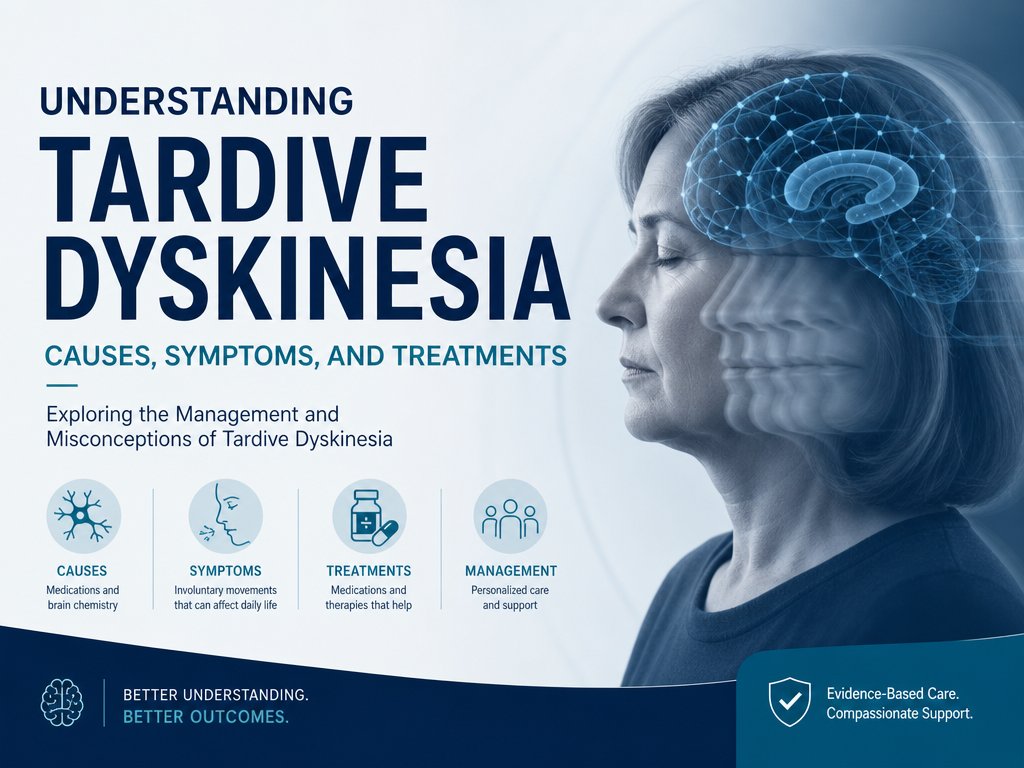
Tardive dyskinesia (TD) is a neurological disorder primarily caused by prolonged use of dopamine receptor-blocking medications, such as certain antipsychotics. This condition leads to uncontrollable, repetitive movements, primarily affecting the face, neck, and limbs. Patients may experience grimacing, tongue movements, lip smacking, or rapid eye blinking, with the severity of symptoms often varying among individuals.
Prevalence and Risk Factors
The exact prevalence of TD is not precisely determined, but it is acknowledged to occur more frequently with prolonged use of antipsychotic drugs, specifically those categorized as first-generation. Second-generation antipsychotics pose a lesser risk, but the disorder can still develop. Risk factors include the duration and dosage of medication use, older age, and female gender, as well as a history of mental illness. Other factors such as genetic predispositions and co-existing medical conditions may also play a role in the onset of TD.
Risk Reduction Strategies
Because abrupt cessation of medication can cause significant side effects or worsen TD symptoms, it is important to consult with a healthcare provider before making any changes to medication regimes. Alternatives or adjunctive therapies might provide a means to balance the underlying mental health needs while minimizing the risk of developing TD. Regular assessments and patient education concerning the potential side effects of antipsychotic medications are essential components of a comprehensive risk reduction plan.
Treatment Options for Tardive Dyskinesia
While there is no definitive cure for TD, several treatments can help alleviate symptoms. Notably, only a small percentage of individuals, about 13%, exhibit significant improvement after discontinuation of the medication responsible for TD, and this typically takes around two years to become noticeable. During this period, patients may try various approaches to manage their symptoms with the guidance of their healthcare providers.
Medication and Advanced Treatment Solutions
Vesicular monoamine transporter 2 (VMAT2) inhibitors are the primary pharmacological treatment used to manage TD symptoms by modulating dopamine neurotransmission in the brain. These inhibitors reduce dopamine activity, thereby aiming to decrease involuntary movements. Clonazepam and other medications may also be used in specific cases, offering a varying degree of symptom relief.
In cases where medication adjustments do not suffice, deep brain stimulation (DBS) is an option. During DBS, electrodes are implanted in specific areas of the brain to deliver rhythmic electrical impulses, providing relief from severe motor dysfunction. This method is particularly considered when other treatments prove ineffective. However, DBS requires a thorough evaluation to identify suitable candidates and to ensure potential benefits outweigh risks.
Supplemental and Physical Treatment Methods
Ginkgo biloba, a traditional herbal remedy, has been studied for its potential to reduce TD symptoms. Recent clinical trials have suggested its safety and efficacy in managing this condition, though it should be taken with caution and under medical supervision to prevent undesirable interactions with other medications.
Physical therapy is another beneficial approach, improving coordination, balance, and muscular strength, which can help reduce the impact of movement-related disruptions in daily life. Therapeutic exercises can enhance flexibility and mobility, thus promoting better overall physical function. Engaging in regular stretching routines and strength-building activities may assist in mitigating the physical manifestations of TD.
Managing Tardive Dyskinesia
Adopting regular exercise and healthy lifestyle choices can mitigate the impact of TD. Maintaining overall physical health is crucial. Botox injections, which block nerve signals to muscles, have been employed to aid symptom management specifically targeting the affected facial muscles. These treatments often form part of a broader personalized management plan tailored to the individual’s needs and circumstances.
The Importance of Continuous Monitoring
It is vital to maintain regular consultations with medical professionals to ensure that treatment plans are appropriately adapted to the patient’s needs. Continuous monitoring and adjustments can help minimize the risk of exacerbating TD symptoms. Research is ongoing for new therapies to support effective, long-term management of the disorder. Emerging treatments and studies seek to improve understanding and introduce innovative interventions that may provide better outcomes.
Recognizing and Distinguishing Symptoms
TD symptoms may diminish with early intervention, though this is typically infrequent. Key indicators include uncontrollable muscle movements such as twitching, tongue thrusting, and excessive blinking. Being able to recognize these symptoms is crucial for timely diagnosis and management. Educational efforts aimed at healthcare providers and patients can facilitate recognition and early action, potentially mitigating progression.
Other similar conditions may complicate diagnosis, such as catatonia, characterized by a lack of movement, and drug-induced parkinsonism, which mimics Parkinson’s disease symptoms but arises from medication effects rather than a degenerative process. Differentiating between these conditions is essential for effective treatment planning and for avoiding unnecessary complications.
Conclusively, while a cure for TD does not exist, early treatment, lifestyle modifications, and targeted therapeutic strategies can effectively manage symptoms, aiding in significantly improved quality of life for those affected. Ongoing research and patient-centered medical practices continue to enhance the prospects of living well with TD, offering hope for future advancements in care.