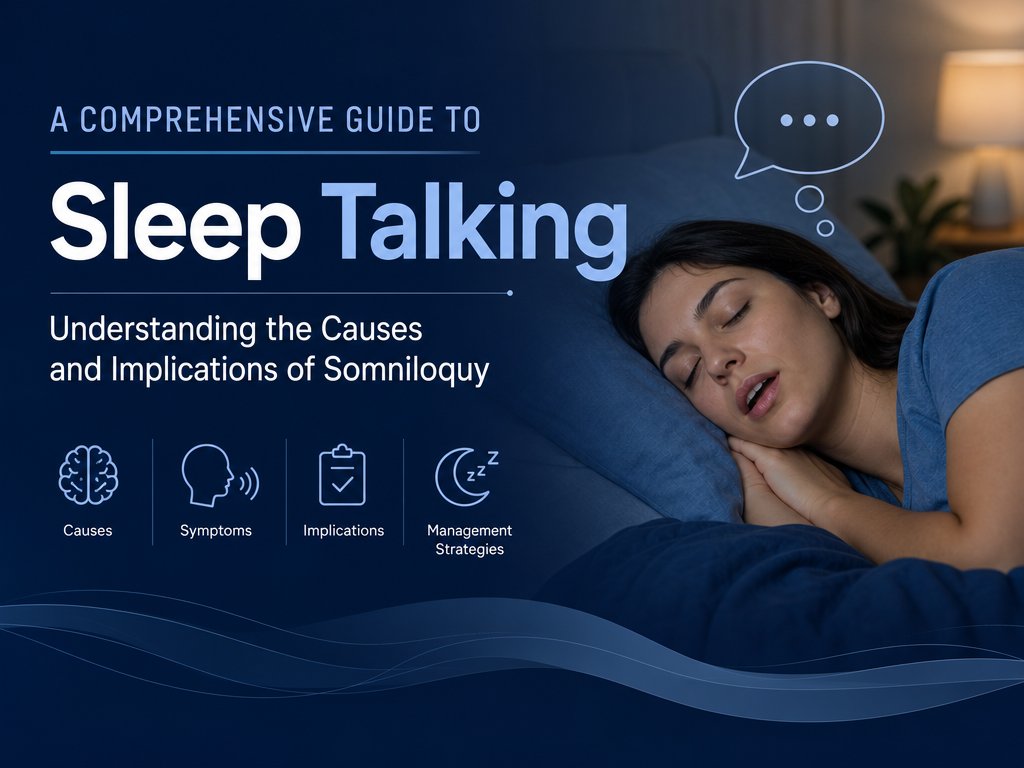
Introduction to Sleep Talking
Sleep talking, medically termed somniloquy, is classified as a sleep disorder and includes various vocal expressions during sleep. Its precise causes remain elusive, typically occurring without the speaker’s awareness, leaving no memory of having spoken once awake. This phenomenon ranges from coherent conversations to nonsensical chatter or even using unusual voices or unfamiliar languages. Generally regarded as harmless, sleep talking is a curious occurrence experienced during sleep cycles. It is an intriguing subject of study for those affected and those who witness it, allowing researchers to explore aspects of human consciousness and brain activity during rest.
Understanding Severity and Triggers
The frequency of sleep talking varies widely among individuals, playing a crucial role in assessing its impact on one’s life. Though it can affect anyone, sleep talking is more frequently observed in children and men, indicating potential underlying biological differences and possible genetic links. If someone in your family history is a frequent sleep talker, there’s a possibility of inheriting this trait. Certain life periods and conditions can increase the likelihood of sleep talking, with potential triggers including stress, emotional disturbances, and other sleep disorders. Changes in sleep patterns, such as shift work or disrupted circadian rhythms, can also precipitate episodes.
Associated Risks
People diagnosed with other sleep disorders, like sleep apnea or night terrors, exhibit a higher propensity for sleep talking. While generally not a cause for concern, frequent occurrences could influence sleep quality and overall restfulness, potentially leading to daytime fatigue, irritability, and concentration difficulties. Rarely, it might connect to underlying issues such as psychiatric conditions or seizures, warranting professional consultation to rule out serious health concerns. Sleep talking with no prior history or alongside other symptoms should be monitored for possible links to neurological or psychological conditions.
When to Seek Medical Advice
If sleep talking disrupts your rest or your partner’s, consult a healthcare provider. New onset in adults over 25, persistent patterns, or accompanied by serious conditions necessitate a medical evaluation to ensure nothing more concerning is at play. There is no specific treatment aimed directly at somniloquy, but a sleep specialist may recommend strategies to manage symptoms and ensure restful sleep. These might include adjustments in sleep hygiene practices or addressing underlying sleep disorders exacerbating episodes.
Strategies for Managing Sleep Talking
Though no definitive cure exists, several measures can mitigate its effects. These include maintaining a consistent sleep routine, reducing stress and anxiety through relaxation techniques or therapy, and considering professional advice if your partner finds sleep talking problematic. Creating a calming bedtime environment with dim lighting and soothing sounds could also help reduce occurrences. Most individuals find sleep talking doesn’t significantly impact their lives and occurs intermittently. It is often more of an amusing anecdote than a serious health problem, serving as an interesting topic among family and friends.