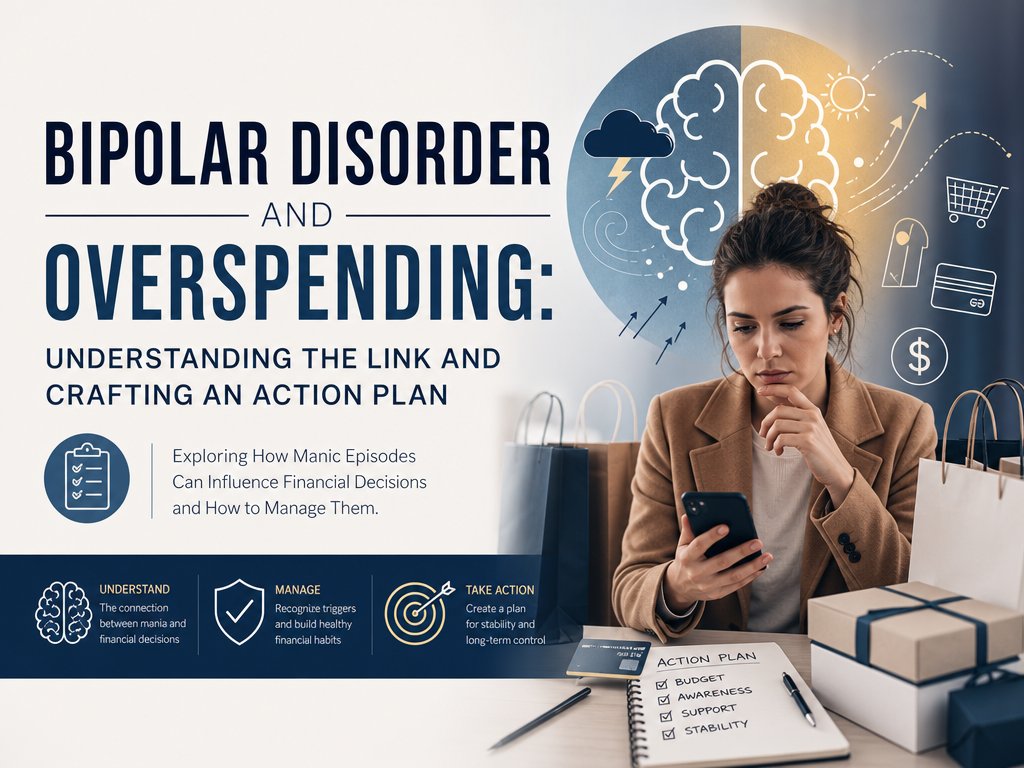
Understanding Bipolar Disorder and Financial Impacts
Bipolar disorder is characterized by significant shifts in mood, including manic highs and depressive lows. One of the behaviors that can arise during manic phases is impulsive spending. This tendency can lead to serious financial consequences, affecting both personal and family finances, causing stress and long-term impact on economic stability for those living with this condition, potentially leading to an overwhelming cycle of debt and anxiety.
How Bipolar Disorder Influences Spending Habits
During manic episodes, individuals often experience increased energy, confidence, and impulsivity. This can lead to overspending as they make financial decisions without thorough consideration. While overspending is not exclusive to purchasing expensive items, it often includes impulsive financial decisions driven by an overactive reward system in the brain, leading to unplanned expenditures and substantial financial strain.
Shopping can trigger the release of dopamine, a neurotransmitter that signals pleasure and satisfaction, which can be especially appealing to individuals with bipolar disorder. Such shopping excursions might initially provide excitement and joy but tend to be followed by feelings of guilt or regret, compounding emotional discomfort. However, this satisfaction is short-lived and can prompt ongoing financial issues that are complicated to resolve long-term, necessitating careful intervention and management.
The Impact of Overspending Beyond Finances
Overspending can also occur during depressive episodes as a form of comfort, albeit briefly energizing. This behavior exacerbates financial difficulties and can strain relationships, diminishing trust and leading to conflicts within families or partners. Common goals like purchasing a home or saving for children’s education may seem unreachable due to depleted savings, making it vital to address overspending to prevent further financial hardship.
Developing a Financial Management Strategy
To combat overspending, creating a constructive action plan during stable periods is crucial. This plan should include measures such as setting up automatic transfers to savings accounts, automating bill payments, and seeking accountability from a trusted individual, such as a family member. Furthermore, it is beneficial to identify personal financial thresholds to avoid reaching crisis points. In severe cases, it might be beneficial to switch to cash-only transactions or remove access to credit cards altogether to reduce the temptation to overspend.
Seeking Professional Help
Working with professionals experienced in managing spending addiction can aid in controlling impulses triggered by bipolar disorder. They can assist in identifying emotional triggers and offer healthier coping mechanisms, reducing dependence on shopping as an emotional outlet. Therapy can help in crafting a detailed budget plan that factors in all possible expenses, thereby minimizing unexpected costs and ensuring responsible financial practice over time.
Regaining Control and Stability
If debt has accumulated, a targeted recovery plan is essential. This plan should involve listing all outstanding debts comprehensively and developing a strategy for repayment, even if it begins with meeting minimum payment requirements while progressively increasing payments over time. Seeking advice from financial experts can further streamline this process, bringing structure to what might feel overwhelming.
Having bipolar disorder does not preclude the possibility of financial stability. Various management techniques, alongside professional support, can be instrumental in reviving financial health and maintaining mental wellbeing. Support networks, budgeting tools, and financial counseling can work collectively to create a stable environment that accommodates the complexities of bipolar disorder.
Recognizing and addressing triggers of overspending and accompanying debts can empower individuals with bipolar disorder to achieve financial stability while ensuring proper care for their mental health. Understanding the principles of sound financial stewardship and integrating them into daily life can lead to improved outcomes and a more fulfilling life. With dedication and support, those affected by bipolar disorder can enjoy improved financial well-being, free from the constraints of impulsive spending.