Understanding Concussions and Migraines
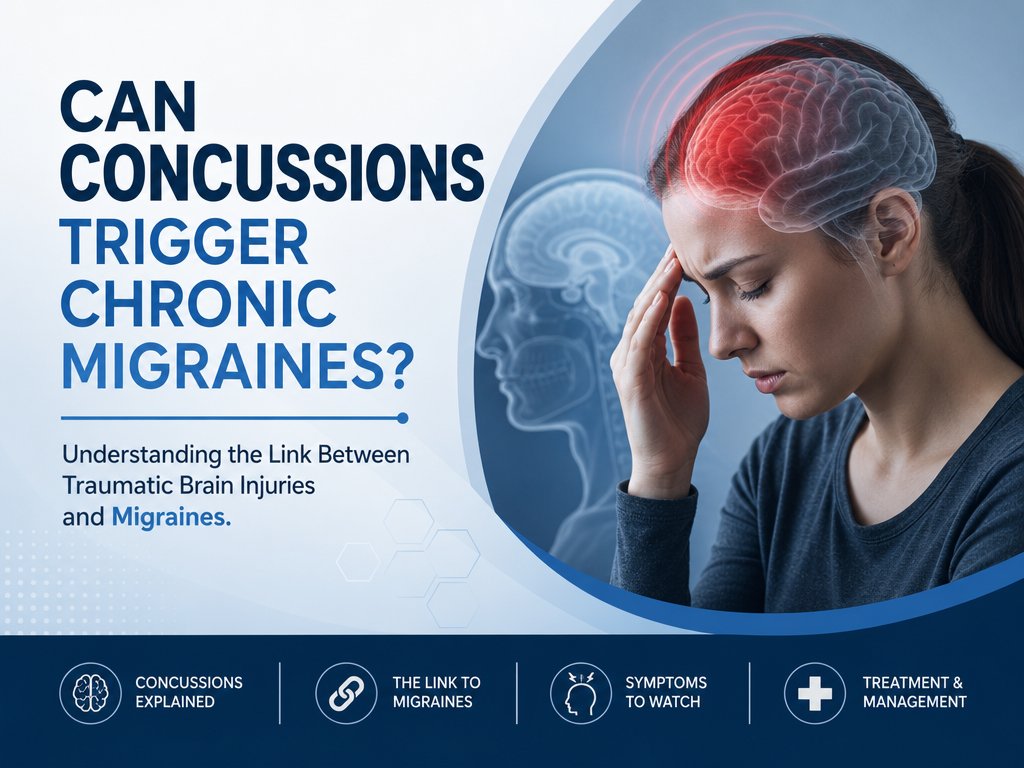
A concussion represents a mild traumatic brain injury that is often the result of a direct blow to the head or sudden motion changes like whiplash from rapid movements. These injuries can have profound impacts on an individual’s brain health, altering the brain’s structure or chemistry. Such changes may lead to various symptoms that can range in severity and duration. Post-concussive syndrome (PCS) encompasses the spectrum of symptoms experienced after a concussion, with migraines often being among the most significant and persistent of these symptoms. These migraines can considerably affect an individual’s quality of life, making it essential to address them appropriately.
The Nature of Post-Traumatic Headaches
Headaches commonly follow concussions, although their precise root causes are not entirely understood. They are often linked to lasting damage or alterations arising from the injury, affecting the brain, skull, or neck regions. This complexity makes the study of concussions and subsequent headaches crucial. Post-traumatic headaches (PTH) are considered persistent if they continue for over three months following the initial injury. Studies have indicated a high prevalence of headaches occurring soon after a traumatic brain injury, with 51% of cases affected, and 23% experiencing headaches that continue to have long-lasting effects, crossing the boundaries of everyday discomfort into chronic health issues.
Migraines Within PCS
Migraine headaches are distinct forms of headaches that are often one-sided or unilateral, although not exclusively so. Symptoms of these migraines can include severe and pulsating pain, sensitivity to light, and nausea, which may help in rapidly diagnosing and managing the condition. PTH varies significantly by individual, often being influenced by various factors including pre-existing health conditions, neurological factors, and lifestyle, necessitating further research to understand their personalized effects and implications better.
Research and Treatment Approaches
Ongoing research is exploring whether specific treatments could be beneficial for addressing post-traumatic migraines separately from other forms of migraines. Currently, similar treatment methods are employed for both, reflecting the overlap in symptoms and triggers between different types of migraines. Various treatment options range from straightforward home remedies to professional medical interventions. The goal of these treatments is not only to alleviate the immediate headache symptoms but also to mitigate the associated features such as stress and anxiety, which can exacerbate the condition.
Recommendations and Medications
Physicians frequently recommend rest and reduced physical activity following a traumatic brain injury (TBI). While bed rest might sometimes be advised, implementing lifestyle modifications, such as maintaining a balanced diet, ensuring proper hydration, and avoiding harmful substances like alcohol and nicotine, can play crucial roles in the recovery process and in managing the frequency and intensity of headaches.
Medications, including over-the-counter options like acetaminophen and NSAIDs, along with prescribed treatments such as triptans, are common in managing pain. These medications must be carefully monitored and administered according to medical advice to avoid complications. However, certain prescription drugs pose risks; notably, opioids can be habit-forming. Their potential for dependency leads to their restrained use in treatment plans, with a preference for non-addictive alternatives where possible.
Innovative Treatments and Cautions
Monoclonal antibodies represent emerging treatments showing efficacy for migraines, though their long-term effects remain uncertain. These treatments are at the forefront of migraine management, offering new hope for those who have not responded well to traditional therapies. Botox is occasionally prescribed to help prevent migraine episodes as part of a comprehensive treatment plan but requires multiple injections over time to maintain its effects. Even though it is generally considered safe, the procedure should be carried out by qualified healthcare professionals. Rarely, surgeries are considered, reflecting a minimal 1.5% prevalence among treatment options and typically reserved for severe, treatment-resistant cases.
Seeking Professional Guidance
For any sudden head injury, immediate medical attention is critical. Persistent or worsening headaches following a TBI may indicate a need for further consultation with healthcare professionals. They may necessitate alterations to the treatment plan or specialist referrals, ensuring that the patient receives a holistic treatment approach. Comprehensive management often involves multidisciplinary teams, including neurologists, physical therapists, and sometimes psychologists, to address both the physical and psychological aspects of the symptoms.
Tackling Headaches and Prevention
Insufficient research into preventing post-concussive migraines remains an ongoing concern. Some studies suggest the potential use of anti-seizure medications or those prescribed for controlling blood pressure and antidepressants, underlining the interconnectedness of neurological health. Careful management of medication use is vital to avoid the risk of overuse headaches, a condition where the very medication intended to alleviate pain begins to cause it.
Preventing traumatic brain injuries (TBIs) is paramount for reducing the incidence of migraines, highlighting the importance of safety. The Centers for Disease Control and Prevention (CDC) advocates for proactive measures that minimize such risks and recommends comprehensive lifestyle adjustments to support overall well-being. Such measures include wearing helmets during sports, using seat belts in automobiles, and fall prevention in older adults.
Migraine headaches pose substantial challenges to quality of life following a concussion, often limiting an individual’s ability to perform daily activities. However, a combination of treatments, both conventional and cutting-edge, offers hope for effective management of these symptoms. Consulting with healthcare providers is essential to formulate appropriate treatment strategies tailored to individual needs, taking into account the complexity of symptoms and the unique circumstances of the patient. Through a collaborative approach, individuals suffering from post-concussive migraines can achieve meaningful relief and regain control over their lives.