Introduction
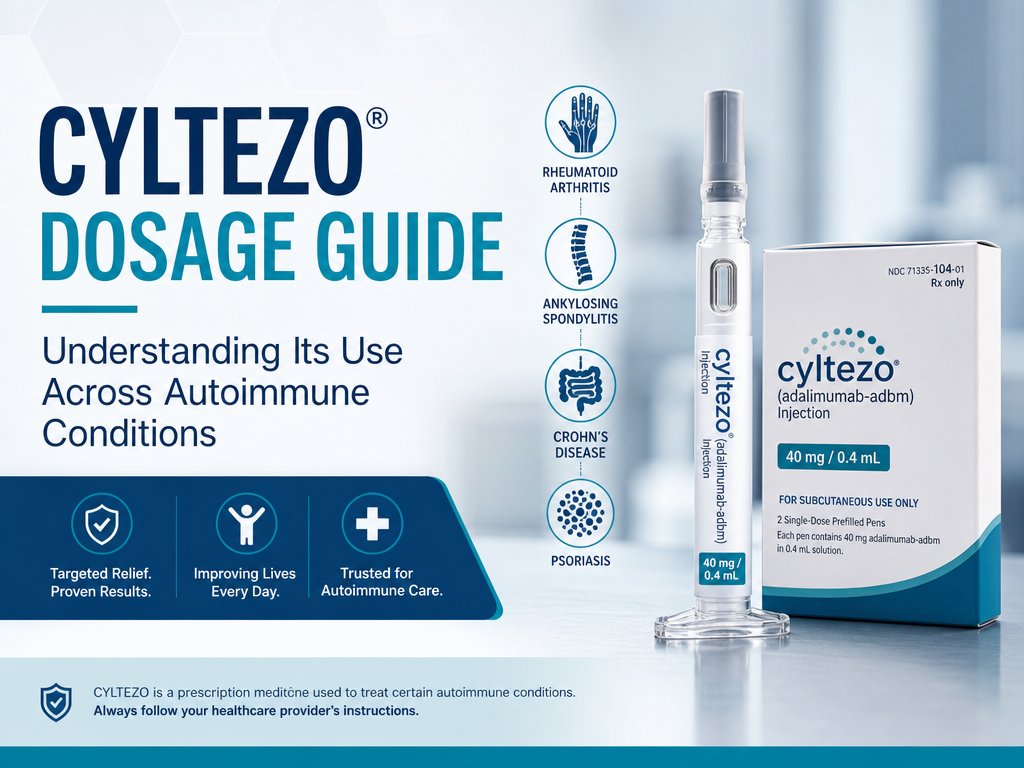
Cyltezo, known scientifically as adalimumab-adbm, is a prescription medication primarily used to treat various autoimmune diseases. Available in a pre-filled syringe or injection pen, Cyltezo is typically administered bi-weekly to help manage symptoms effectively over time. This method of administration ensures that the medication is delivered directly into the body, providing relief from inflammatory symptoms associated with autoimmune disorders. Over the years, Cyltezo has become a part of many treatment plans due to its efficacy in combating chronic inflammation, thereby improving the overall quality of life for patients suffering from autoimmune conditions.
Autoimmune Conditions Treated by Cyltezo
Cyltezo is prescribed for both adults and children suffering from a variety of autoimmune conditions. It belongs to the category of medications known as tumor necrosis factor (TNF) blockers, which are biologics created from living cells. Cyltezo acts as a biosimilar to Humira (adalimumab), sharing the same active ingredient but distinguished by its unique suffix “adbm.” The introduction of biosimilars like Cyltezo offers patients more treatment options, potentially at lower costs, while maintaining similar safety and efficacy profiles. This increase in available treatments is essential for addressing patient-specific needs and preferences in managing long-term autoimmune diseases.
Adult and Pediatric Applications
Adult applications of Cyltezo encompass diseases such as Crohn’s disease, psoriasis, rheumatoid arthritis, ulcerative colitis, psoriatic arthritis, and ankylosing spondylitis. In children, the medication is approved for treating juvenile idiopathic arthritis and Crohn’s disease (ages six and older), with dosages tailored to weight and specific needs to ensure effective management while minimizing potential side effects. Medical guidance is essential to determine the best approach for each patient’s unique medical condition. Understanding the individualized nature of autoimmune treatment, healthcare providers work closely with patients to create a therapeutic strategy that aligns with each person’s lifestyle and health goals.
Dosage and Administration
Cyltezo is administered as a subcutaneous injection, available in a pen or syringe with varying strengths. Typically, a pre-loaded dose for initial treatment, or “loading dose,” is administered to ensure quick drug action, setting the stage for maintenance doses that follow. Proper administration is crucial to optimize treatment results and manage the inflammatory processes effectively. Patients and caregivers who are instructed in administration techniques can perform injections at home, making the process more convenient and allowing greater control over the treatment schedule.
General Dosage Information
For conditions such as Crohn’s disease and ulcerative colitis, starting treatment involves two to three high doses over fifteen days, followed by a maintenance dose of 40 mg every two weeks. Treatments for psoriatic arthritis and rheumatoid arthritis usually align with this schedule to ensure consistent and adequate disease management. Regular monitoring by healthcare providers is important to adjust doses based on patient progress and any emerging side effects.
For hidradenitis suppurativa, the regimen begins similarly, eventually adjusting to 80 mg bi-weekly or 40 mg weekly based on response and healthcare provider recommendations. Dosages in children also consider body weight to customize the treatment for individual needs. Pediatric dosing requires careful consideration to balance therapeutic effects with the potential for side effects. Monitoring growth parameters and developmental milestones is critical when treating pediatric patients, as they may require different dosage adjustments compared to adults.
Injection Instructions
Initial doses of Cyltezo should be administrated by healthcare professionals, who guide patients in self-administration techniques for ongoing treatment. This ensures proper technique and safety. Injections are recommended to be administered in the thigh or abdominal area, with sites rotated regularly to reduce local side effects and ensure better absorption. Patients are taught to recognize potential reactions and the importance of site rotation to avoid skin complications. The ability to self-administer can significantly reduce the burden of frequent clinic visits, allowing patients to lead more normal and independent lives while managing their condition.
Cyltezo Treatment Duration and Adjustments
Typically, Cyltezo is a long-term treatment solution, with adjustments made based on the severity of the condition and the patient’s response to therapy. Such adjustments should only be made by healthcare providers, ensuring that the medication continues to be both safe and effective for the patient. Patients should remain in regular contact with their healthcare providers to monitor progress and any changes in symptoms. This ongoing dialogue is critical for catching any potential complications early and making necessary alterations to the treatment plan to achieve the best outcomes.
Additional Considerations
Patients must adhere strictly to prescribed dosages to avoid potential adverse effects. If a dose is missed, it should be taken as soon as it’s remembered, unless the next scheduled dose is near. For any concerns of overdose, immediate medical assistance is vital to prevent serious complications. Understanding how to manage missed doses and recognizing signs of overdose are critical components of patient education, which empowers individuals to take a proactive approach in their treatment while identifying when medical intervention is needed.
Long-term Prescriptions
Cyltezo is often prescribed for long-term use if deemed effective and safe by healthcare providers. Hence, an active dialogue with healthcare providers is essential for regular monitoring and necessary adjustments to the treatment plan, safeguarding both efficacy and safety. Regular assessment helps to ensure that patient outcomes are optimized and that the treatment remains aligned with the patient’s health status and needs. Long-term management often involves additional supportive strategies, such as lifestyle modifications and dietary adjustments, which collectively enhance the overall therapeutic effect.
Conclusion
Cyltezo offers a robust option for treating multiple autoimmune conditions, aligning closely with Humira in terms of effectiveness and safety. To maximize treatment efficacy, it is essential for patients to work closely with their healthcare providers and adhere strictly to their prescribed treatment protocols. The continued development and availability of biosimilars like Cyltezo enhance the overall therapeutic landscape, offering new hope for patients managing chronic autoimmune diseases. By providing an alternative treatment option that might be more accessible or affordable, Cyltezo plays a vital role in individualized patient care.
Final Notes
Always consult a healthcare provider before making any changes to prescribed treatments. The information provided is intended to support—but not replace—professional medical advice or consultations with qualified health professionals. Patients should feel empowered to discuss their treatments openly with their healthcare team, ensuring they have all the information needed to make informed decisions about their health care regimen. Building a comprehensive understanding of their condition and the safe use of their medication allows patients to take an active role in their care, enhancing communication and collaboration with their healthcare providers for optimal health outcomes.