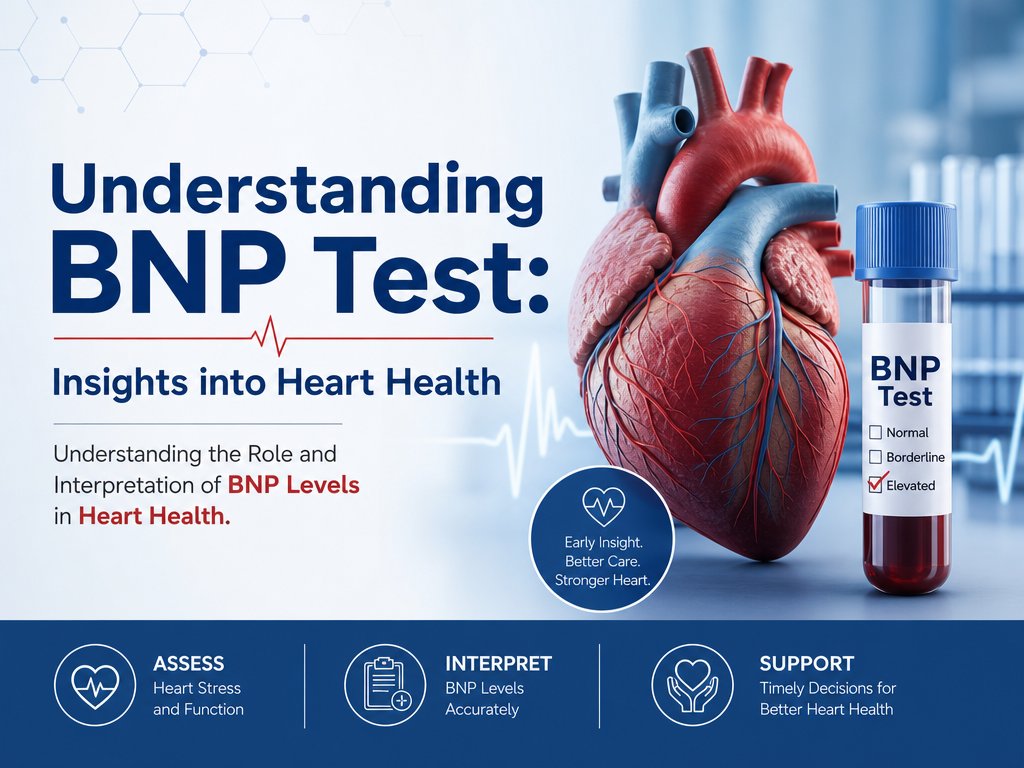
Introduction to the BNP Test
BNP tests, or B-type natriuretic peptide tests, play a critical role in diagnosing heart-related conditions, especially heart failure. These tests measure the concentration of BNP hormones in your bloodstream, acting as key indicators for assessing heart function, allowing healthcare professionals to gauge the state of cardiac health and potential issues that may require prompt medical intervention.
Function and Importance
BNP, along with atrial natriuretic peptide (ANP), is vital for maintaining the dilation of veins and arteries, preventing complications like clot formation and supporting smooth blood flow. In addition, BNP and ANP aid the kidneys in eliminating excess fluid and salt from the body, promoting a healthy fluid balance. This physiological process ensures that blood pressure remains stable and reduces strain on the heart, helping to maintain overall cardiovascular health. Proper regulation of these peptides is crucial because any imbalance could lead to further cardiovascular complications.
Heart Failure and BNP Levels
During congestive heart failure, the heart ventricles weaken, impeding efficient blood circulation. The cardiac cells respond by producing more BNP to control fluid retention and blood pressure equilibrium. This process is a natural compensatory mechanism aiming to mitigate the detrimental effects of heart failure, thus providing healthcare providers with a crucial biomarker for diagnosis and monitoring. Regularly measuring BNP levels can offer insights into the progression or improvement of heart failure, guiding necessary therapeutic adjustments.
Elevated BNP Levels
An increase in BNP levels frequently suggests the presence of heart failure. Physicians often order BNP tests when patients exhibit symptoms such as shortness of breath or fatigue to determine if heart complications are involved. These symptoms are typically associated with fluid accumulation in the lungs or other tissues, reflecting the heart’s reduced capacity to pump blood efficiently. Elevated BNP levels can serve as an early warning sign, prompting further investigation into potential underlying cardiac issues.
Test Procedure
A BNP test requires no special preparation from the patient and is usually conducted via venipuncture, where blood is drawn and analyzed in a lab. The minimal requirements enable timely testing, often crucial in urgent clinical scenarios, allowing for swift evaluation in emergency departments or routine clinic visits when heart-related symptoms are present.
Interpreting Results
BNP test results are often available within 15-20 minutes if analyzed onsite, though results may take longer if analyzed in an external lab. Generally, BNP levels below 100 pg/mL are considered normal for most individuals. Values above this threshold can indicate varying degrees of heart dysfunction, requiring careful interpretation by medical professionals to guide further diagnostic steps. Such interpretation is essential in determining the severity of potential heart failure and deciding on immediate or long-term treatment options.
Factors Affecting BNP Levels
Various factors, including age and medical conditions, can influence BNP levels. BNP levels naturally rise with age; furthermore, health issues like kidney disease can lead to elevated BNP levels due to impaired clearance of these peptides from the blood. Understanding these factors is vital for accurately interpreting BNP results and avoiding misdiagnosis.
Significance of High BNP
Elevated BNP levels, which often suggest heart failure, necessitate additional tests to confirm an accurate diagnosis and determine the appropriate treatment plan. Understanding the underlying causes and differentiating heart-related issues from other possible conditions are vital steps in the clinical assessment process. Consulting with a cardiologist can provide further insights and ensure that a comprehensive evaluation leads to effective management strategies.
Diagnostic Accuracy
BNP tests are known for their high diagnostic accuracy, with a 98% success rate in ruling out heart failure as the cause of elevated BNP. This high reliability makes BNP an indispensable tool in emergency and outpatient settings, facilitating rapid decision-making and prompt initiation of therapy. The test’s precision underscores its value as a diagnostic standard in assessing patients with suspected heart failure.
Low BNP Levels
While less common, low BNP levels can also indicate heart problems. Some studies have observed low BNP in patients hospitalized for heart conditions, suggesting that low levels might not necessarily rule out heart problems. It is crucial for healthcare providers to consider the overall clinical picture to avoid overlooking subtle signs of heart disease.
Follow-Up Medical Tests
To thoroughly confirm heart failure, physicians may recommend further diagnostic tests along with BNP testing. These may include echocardiograms, stress tests, or cardiac MRIs to provide a comprehensive evaluation of cardiac function. Such tests help elucidate the heart’s structural and functional status, enhancing the accuracy of the diagnosis and guiding targeted interventions.
Managing Heart Health
Effectively managing heart failure entails ongoing monitoring of BNP levels and implementing necessary lifestyle adjustments. Doctors might recommend medications, dietary changes, and regular health assessments to maintain heart health and prevent progression of heart disease, ensuring that patients can enjoy an improved quality of life. Patients are encouraged to engage in regular physical activity, adhere to prescribed treatments, and attend regular follow-up appointments to consistently evaluate and manage their heart health.
Insurance and Coverage
Medicare and other insurance providers frequently cover BNP tests, under specific conditions, such as limiting coverage to a maximum of four tests per year. Coverage might not extend to standalone BNP tests, requiring them to be part of a broader diagnostic evaluation to ensure comprehensive assessment. Clear communication with healthcare providers and insurance companies is essential to understand the specifics of coverage and reimbursement for BNP testing.
Conclusion
Early detection and intervention of heart conditions through BNP testing can significantly reduce severe complications, bolstering heart health and improving overall prognosis. Regular consultations with healthcare providers ensure effective management and treatment of heart conditions, paving the way for better long-term outcomes. By integrating BNP testing into routine cardiovascular care, patients can benefit from timely interventions and tailored management strategies that address their specific health needs. This approach ultimately contributes to a proactive stance in maintaining cardiac health, encouraging patients to stay informed about their condition and actively participate in their healthcare decisions.