Introduction to Retrocalcaneal Bursitis
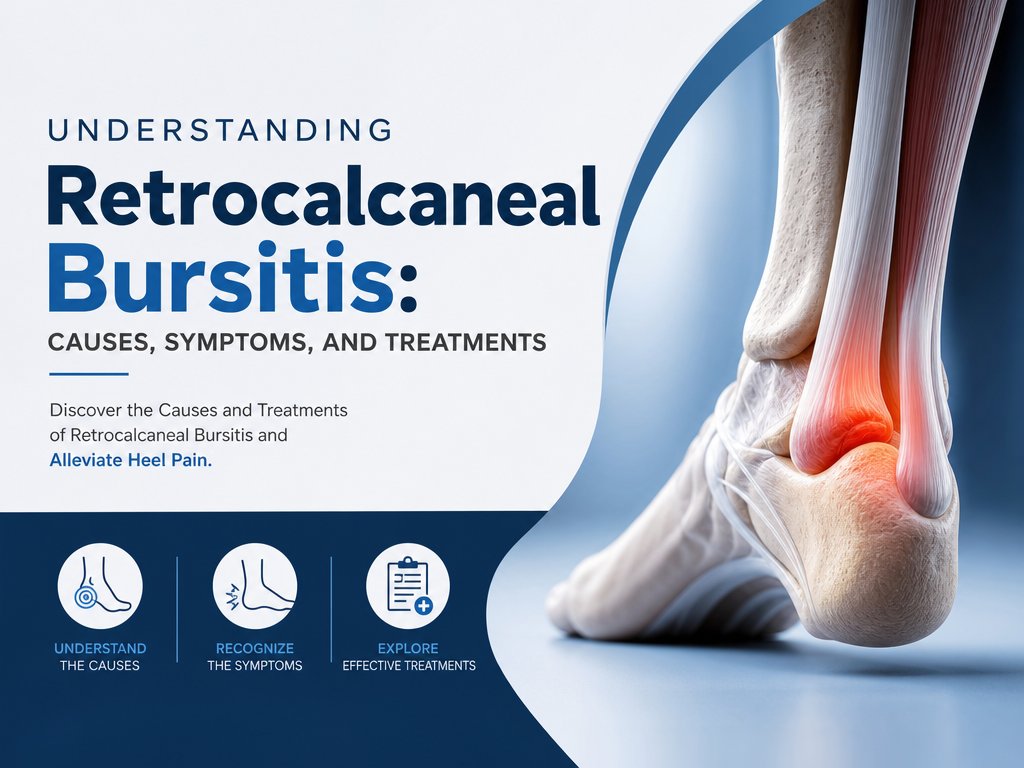
Retrocalcaneal bursitis is characterized by a sharp pain in the heel, often caused by inflammation of the bursae situated behind the Achilles tendon. These bursae are fluid-filled sacs designed to reduce friction in joint areas. However, when they become inflamed due to various reasons, they lead to considerable discomfort and pain, making everyday activities challenging.
Causes and Risk Factors
Physical Activities and Footwear
This condition commonly arises from overuse due to activities like walking, running, or jumping. It is frequently seen in athletes, including runners and ballet dancers. Misdiagnosis is possible, as symptoms can resemble those of Achilles tendonitis. The rapid increase in physical activity or improper warm-ups often exacerbate the condition, making it essential for individuals to monitor their activity levels closely and adjust as needed.
Wearing poorly fitting shoes or high heels can also contribute to the risk, and already having bursitis can worsen with such specific footwear choices. In fewer cases, arthritis or an infection might be underlying causes, indicating the importance of effective diagnosis and management strategies to address any pre-existing conditions.
Diagnosing Retrocalcaneal Bursitis
A medical examination usually involves assessing the heel for tenderness, redness, or warmth. Imaging tests like X-rays or MRIs can ensure there’s no fracture present and determine the extent of bursitis. Fluid samples might be taken to check for infections, ensuring a comprehensive approach for accurate diagnosis and targeted treatment plans.
Treatment Options
Home Remedies
Generally, home treatments are effective, including measures such as rest, ice, or anti-inflammatory medications. Utilizing heel wedges, either over-the-counter or custom-made, can alleviate pressure on the heel by elevating it slightly. Stretching exercises might also help in managing symptoms and preventing recurrence.
Medical Interventions
For more persistent cases, doctors might suggest a steroid injection, albeit with careful consideration of potential Achilles tendon complications. In severe or chronic cases, a brace, cast, or even surgery might be necessary, especially if tendonitis is present or other treatments fail to provide relief. A collaborative approach with healthcare providers is often required to tailor the most effective treatment strategy for individual needs.
Prevention and Long-term Management
To prevent retrocalcaneal bursitis, gradually increase physical activities, ensure proper footwear, and strengthen foot muscles through targeted exercises. Engaging in low-impact exercises like swimming might help maintain fitness during recovery without aggravating the condition further. Lifestyle modifications, along with regular monitoring, can effectively manage symptoms and improve quality of life.
Conclusion
Following a doctor-prescribed plan is crucial for recovery, typically within eight weeks. It’s important to watch for any signs of infection and consult a healthcare provider promptly if symptoms arise. Managing retrocalcaneal bursitis involves a blend of preventive measures, effective treatments, and proper lifestyle adaptations to ensure sustainable long-term health and wellness.