Introduction to Dalteparin
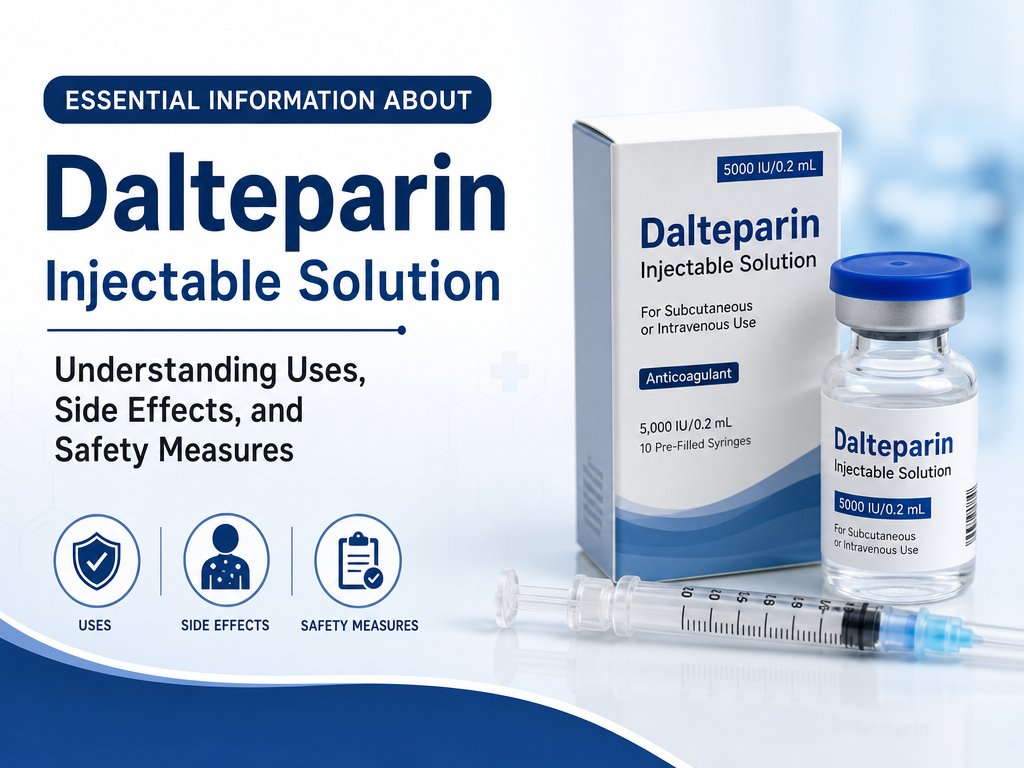
Dalteparin, known worldwide under the brand name Fragmin, plays a significant role in both the prevention and treatment of blood clots, a condition scientifically referred to as thrombosis. It is administered via subcutaneous injection, providing a more targeted approach compared to traditional intravenous methods. Currently, there is no generic version of Dalteparin available, which underscores its distinct formulation and application in medical settings. It offers the convenience of administration by either patients themselves or their caregivers. Often, Dalteparin is integrated into broader therapeutic strategies that are specifically tailored to address an individual’s unique medical profile and needs.
How Dalteparin Works
Dalteparin belongs to the class of anticoagulants known as low molecular weight heparins (LMWH). Its primary function is to inhibit certain proteins that are pivotal in the blood’s clotting mechanism. By hindering these proteins, Dalteparin prevents the development of new clots and manages existing ones, contributing significantly to reducing the risk of clot progression. This intervention is particularly crucial for individuals predisposed to thrombotic occurrences as it sustains their circulatory health and decreases the likelihood of potentially life-threatening complications.
Potential Side Effects
Dalteparin typically does not cause drowsiness, a side effect common with many other medications. However, patients may experience a range of side effects from the mild, such as slight bruising at the injection site, to more severe reactions like significant bleeding. Common side effects often abate as the body acclimates to the treatment. In some instances, side effects may persist or intensify, making it imperative to seek medical evaluation. Emergencies such as severe allergic reactions characterized by trouble breathing, hives, or facial swelling necessitate immediate medical attention and could require emergency services.
Drug Interactions and Warnings
The effectiveness and safety of Dalteparin can be significantly altered by interactions with other drugs, vitamins, or dietary supplements. Therefore, it’s essential for patients to disclose all current medications and supplements to their healthcare provider to effectively anticipate and counter potential interactions. A pivotal interaction involves the concurrent use of aspirin and Dalteparin in patients with existing heart conditions. This combination may escalate the risk of bleeding, underscoring the need for detailed discussions with healthcare providers to preempt complications and optimize treatment efficacy.
Special Considerations
To mitigate risks, patients need to be particularly cautious if they have known allergies to heparin, pork derivatives, or if they have medical conditions predisposing them to bleeding. Dalteparin may trigger severe allergic responses and elevate bleeding risks, especially when combined with alcohol or during certain medical procedures.
Effects on Special Populations
– **Pregnant Women**: While studies have largely indicated that Dalteparin does not pose direct harm to the fetus, its use during pregnancy requires vigilant monitoring. Particular caution is advised with formulations containing benzyl alcohol due to potential adverse effects in preterm infants, thus warranting a careful evaluation by healthcare professionals.
– **Breastfeeding Women**: As Dalteparin can be excreted through breast milk, there is a potential impact on nursing infants. A thorough cost-benefit analysis should be conducted by consulting healthcare providers to ensure the welfare of both mother and child.
– **Seniors**: The pharmacokinetics of Dalteparin in older adults can lead to prolonged retention of the drug, thereby amplifying the risk of side effects like increased bleeding. Adjusting the dosage or the frequency of administration may be necessary to maintain safety and efficacy in this population.
– **Children**: The safety and efficacy profile of Dalteparin in individuals below 18 years is not comprehensively established. Therefore, its use is generally avoided in this age group unless deemed necessary by a healthcare provider following a careful analysis of potential benefits and risks.
Dosage and Administration
The dosage of Dalteparin is often tailored based on the patient’s body weight and modified for seniors, considering variances in metabolic rate and drug clearance. Following the prescribed dosage is crucial to ensure the medication maintains its intended efficacy and minimizes associated risks. Missing doses can undermine treatment effectiveness, whereas overdosing poses grave health risks, necessitating stringent adherence to dosage instructions.
Maintaining Treatment Regimen
Patients undergoing Dalteparin treatment should engage in regular monitoring of relevant blood parameters and maintain open channels of communication with their healthcare providers. Such measures optimize the treatment outcomes while ensuring safety. Any necessary adjustments to the treatment regimen should be under medical supervision to accommodate changes in health status or response to the medication.
Conclusion
Dalteparin stands out as a valuable therapeutic agent in managing conditions related to blood clots. Its successful administration and the accompanying monitoring process is paramount. Additionally, understanding drug interactions, side effects, and individual patient health intricacies are central to the safe usage of Dalteparin. By consulting with healthcare professionals, patients can receive tailored guidance and potentially incorporate additional treatments, culminating in a comprehensive approach to health and well-being management.