Introduction to Schizophrenia and Treatment Challenges
Schizophrenia is a severe and persistent mental health disorder characterized by disruptions in thinking, feeling, and behavior, affecting the ability to discern reality. It requires ongoing treatment to manage its complex symptoms effectively. Individuals diagnosed with schizophrenia often face significant challenges in adhering to a daily regimen of oral medications, which can considerably impair effective management of the disorder. The complexity of managing this condition is exacerbated by the need for sustained therapeutic measures and the intricate nature of symptom variability, which may fluctuate considerably over time, presenting notable hurdles in maintaining consistent treatment.
Long-Acting Injectable Medications (LAIs)
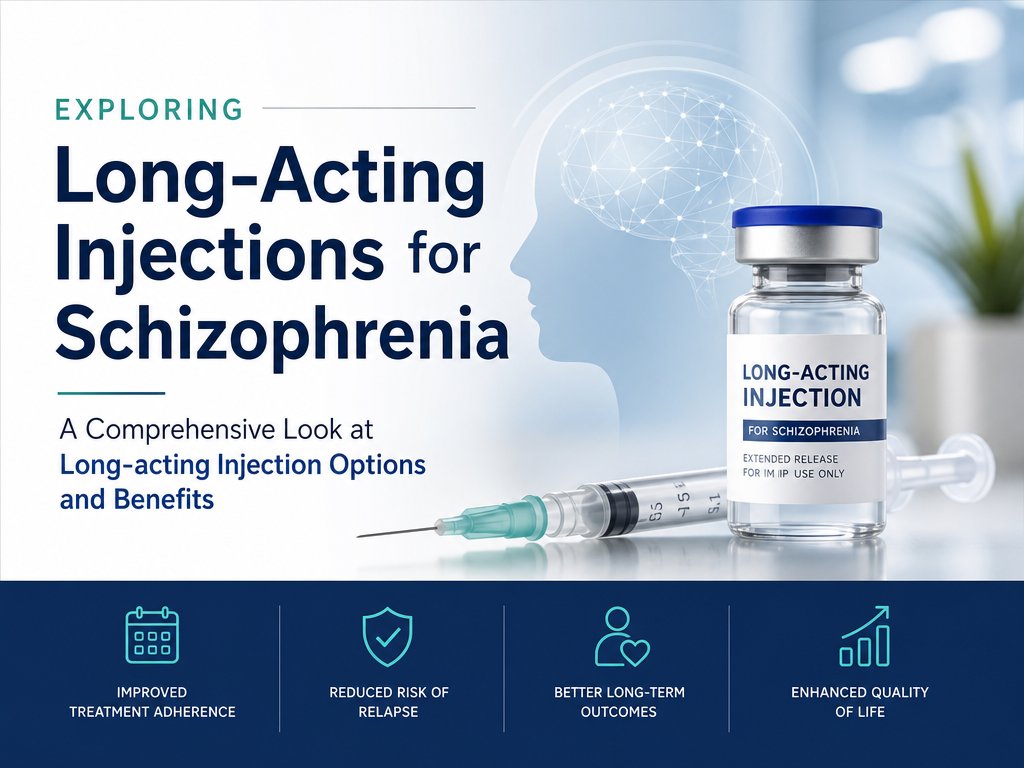
An innovative alternative treatment for schizophrenia includes long-acting injectables (LAIs). These injectables are administered by healthcare professionals and are designed to release medication over an extended period, thereby reducing the necessity for daily pill consumption. Utilizing LAIs not only enhances the management of symptoms but also helps in minimizing the risks of hospitalization due to treatment lapses. LAIs can provide a steady state of medication in the bloodstream, which is crucial in preventing relapse and maintaining mental health stability over an extended duration, thus offering a more reliable mode of symptom management.
Advantages of LAIs
LAIs might significantly assist individuals in maintaining their medication schedule, offering a more consistent and managed approach to treatment. Studies suggest that LAIs are capable of lowering hospital readmission rates by 20-30% when compared to traditional oral doses. The steady release mechanism of these injectables effectively counters the need for daily intake, which can be particularly advantageous for patients with adherence challenges. Additionally, LAIs can play a vital role in decreasing the stigma often associated with daily medication intake, thereby improving social interactions and quality of life for individuals with schizophrenia. This aspect is especially critical, as ongoing social engagement can be integral to mental well-being.
Differentiation Between First and Second-Generation LAIs
First-generation LAIs have been available since the 1960s and provided an early solution for long-term management, while second-generation LAIs are more contemporary, typically having been developed after 2000. Patients tend to tolerate the newer, second-generation LAIs better, as they often experience fewer and less severe side effects compared to their predecessors. Second-generation LAIs are associated with advanced pharmacokinetics and enhanced patient comfort, contributing to higher rates of adherence and satisfaction. The progressive decrease in adverse effects makes them a preferred choice for many patients.
Potential Outcomes and Considerations
Recent reviews have highlighted how LAIs may provide substantial benefits to individuals experiencing initial episodes of schizophrenia, suggesting a promising role in early intervention strategies. However, ongoing research is essential to fully understand the breadth of their efficacy across different populations. These injectables mix a liquid solution to sustain release, which significantly differs from daily oral forms. Healthcare providers administer these injections at intervals dictated by the specific medication and individual patient needs. The diverse dosing intervals of LAIs can range from two weeks to several months, allowing for flexibility in treatment planning and patient convenience, thereby enhancing patient adherence and satisfaction.
Benefits and Risks
Regular medical visits associated with LAI administration offer crucial opportunities for patients to inquire about their treatment progression and discuss any concerns they might have. Such interactions can foster a robust therapeutic alliance between patients and healthcare providers, which is crucial in achieving meaningful treatment outcomes. Nevertheless, LAIs come with potential risks and side effects, especially the older variants, which are associated with conditions such as tardive dyskinesia and other adverse effects like tiredness and weight gain. It is vital for healthcare providers to discuss these potential risks with patients to ensure informed decision-making about their treatment. Proactive risk management strategies, including lifestyle modifications and supportive therapies, can mitigate these potential adverse effects, ultimately paving the way for a more effective treatment experience.
Overall Indications for LAI Use
LAIs can significantly reshape treatment plans, particularly for patients who struggle with daily medication adherence or who prefer a more stable treatment routine. They present an effective strategy for patients who wish to achieve consistent symptom control. Additionally, accompanying lifestyle adjustments, as advised by healthcare professionals, can help mitigate some of the side effects associated with LAIs. Nutritional counseling, physical activity, and psychoeducation are particularly beneficial in enhancing the overall treatment experience and promoting long-term well-being.
In summary, while LAIs are not suitable for everyone, they remain an effective strategy for mitigating schizophrenia symptoms and fostering patient adherence, continuity of care, and overall health stability. These medications, in conjunction with regular healthcare consultations, can provide a more managed and effective treatment plan for many individuals living with schizophrenia, ultimately helping them achieve better health outcomes. Patients who engage in comprehensive care routines, incorporating both pharmacological and non-pharmacological interventions, often experience a greater quality of life and a marked reduction in the disruption caused by schizophrenia symptoms. With attentive care and effective management, the potential for improved long-lasting mental health is within reach.