Introduction to Non-Motor Symptoms in Parkinson’s Disease
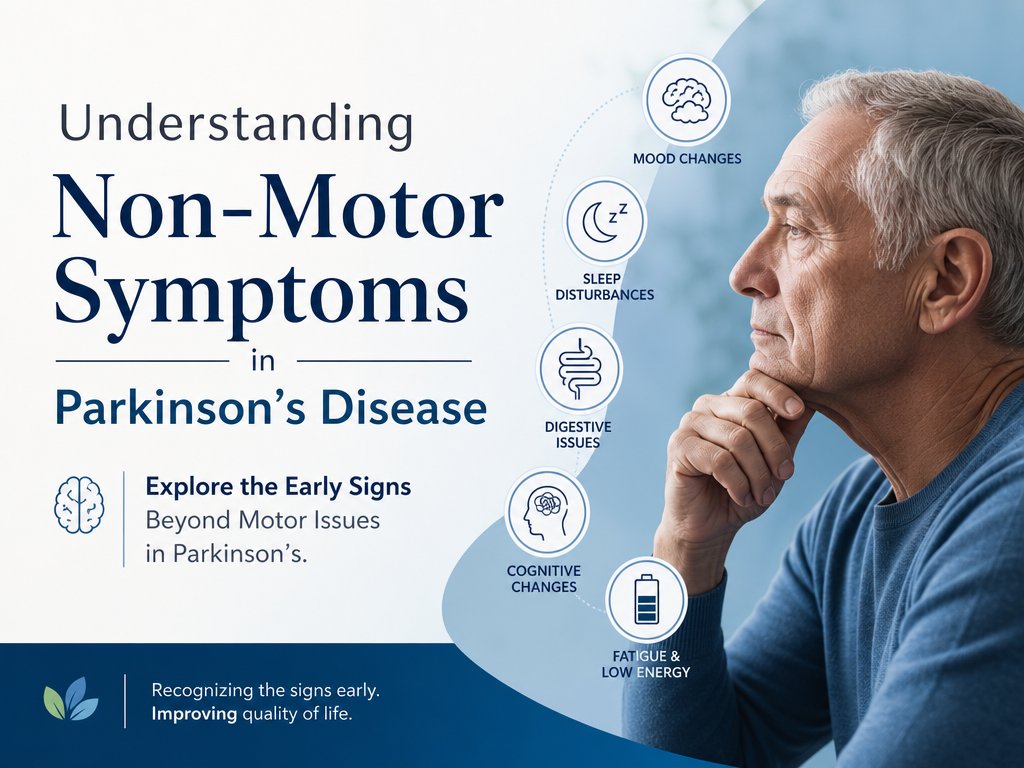
When you think of Parkinson’s disease, motor problems like tremors and stiffness may come to mind. However, non-motor symptoms, such as dizziness, sleep disturbances, and cognitive impairments, often emerge first and can significantly impact quality of life. These symptoms are integral to understanding the comprehensive nature of Parkinson’s disease and are important for early diagnosis and management. Moreover, acknowledging the presence of these non-motor symptoms allows a more holistic approach to treating Parkinson’s, helping to address both the visible and hidden challenges faced by patients.
Early-Onset and Progression
These early non-motor symptoms can be mild initially but tend to progress over time. They can occur at various stages of the disease, affecting individuals differently. Recognizing and addressing these symptoms early on can help in planning appropriate therapeutic interventions. This early intervention can significantly slow the progression of these symptoms and provide a better quality of life for the individual.
Loss of Smell and Taste
One of the first parts of the brain affected by Parkinson’s is the olfactory bulb, leading to a loss of smell and taste. This change can result in decreased interest in food, causing unwanted weight loss. Speaking with a doctor or dietitian and considering protein supplementation may help manage these changes. Additionally, understanding the implications of this symptom can help caregivers develop strategies to maintain nutritional intake, which is vital for overall health and well-being.
Sleep Disorders
Non-motor symptoms include insomnia, excessive daytime sleepiness, and vivid dreams. Restless leg syndrome and disrupted sleep-wake cycles are common, leading to fatigue. Addressing these sleep disorders can significantly improve daily functioning and overall energy levels, making it an essential component of Parkinson’s management. Implementing routine sleep schedules and seeking treatment for specific disorders can enhance sleep quality and contribute to better health outcomes.
Mood Changes and Emotional Impact
Depression is frequently seen in people with Parkinson’s, along with irritability and impulsivity. These symptoms often correlate with changes in dopamine levels and can be exacerbated by sleep issues. Monitoring mood changes can be an effective way to address emotional and psychological well-being, leading to a more comprehensive approach toward Parkinson’s care. Psychological support, therapy, and medication might be beneficial to manage these mood disturbances effectively.
Cognitive Impairments
Parkinson’s can cause memory problems, slow thought processes, and focus difficulties. Though unrelated, dementia can also develop, with Alzheimer’s disease and vascular dementia being more common. Cognitive impairments require a proactive approach for maintaining mental activities, which can help alleviate the severity of these symptoms. Cognitive exercises, social engagement, and mental stimulation are crucial for slowing cognitive decline and promoting mental health.
Hallucinations and Psychosis
Certain medications might lead to hallucinations and psychosis, increasing the risk of these conditions in Parkinson’s patients. Being vigilant about new symptoms and adjusting medications under medical supervision can mitigate the effects of these complex symptoms. Early detection and reporting of such symptoms are crucial to managing them effectively and adjusting treatment plans as needed.
Physical Symptoms Beyond Motor Issues
Blood Pressure and Dizziness
Patients may experience orthostatic hypotension, causing dizziness upon standing. This condition can be managed with medical guidance to stabilize blood pressure. Diet modifications and medication adjustments are often considered under doctor supervision to alleviate dizziness and its effects on daily life. Furthermore, implementing simple strategies like standing slowly and staying hydrated can prevent dizziness and balance issues.
Bladder and Sexual Dysfunction
Urinary retention and incontinence are prevalent, sometimes necessitating medication or bladder training. Sexual dysfunction is also common and may be influenced by mental health factors. Open discussion with medical professionals can lead to effective management strategies for these personal and often distressing symptoms. Addressing these concerns holistically involves both medical and psychological support, aiming to improve quality of life.
Pain and Physical Appearance
Muscle cramps and tremors often contribute to pain. Additionally, the characteristic masks of emotion can impede social interactions due to misinterpretations of facial expressions. These factors significantly impact personal and social exchanges, highlighting the importance of comprehensive communication and understanding. Physical therapy, exercise, and pain management strategies can alleviate discomfort and improve physical function.
Addressing Non-Motor Symptoms
It’s crucial to not dismiss these symptoms as unrelated ailments, as they collectively contribute to reduced quality of life. Discuss any concerns with a doctor to explore symptom management options, even if you don’t have Parkinson’s. Consulting healthcare professionals can provide clarity and treatment strategies. Besides medication, lifestyle modifications and therapy can be beneficial parts of a holistic treatment plan, offering relief and enhancing the overall quality of life for those affected by Parkinson’s disease and their caregivers.
Overall, a comprehensive approach that includes both medical and non-medical strategies ensures a fulfilling and supportive management plan, effectively addressing the diverse array of non-motor symptoms associated with Parkinson’s disease.